
Picture this: a warm afternoon, friends gathered, and the satisfying pop of a bottle cap as you pour a golden brew into a chilled glass. This Corona Homebrew Recipe is your ticket to crafting a refreshing beer right in your kitchen. It’s a delightful blend of crispness and flavor, making it perfect for summer gatherings or lazy weekends. With just a few basic ingredients and a bit of patience, you’ll be sipping your own homemade version of this classic lager. So, grab your brewing gear and let’s get started!
Why You’ll Love This Recipe
This recipe is a fun and rewarding process that brings friends together.
- Craft your own beer from scratch.
- Enjoy a refreshing, light lager that rivals the store-bought version.
- Perfect for sharing at parties or relaxing at home.
- Customize the flavor to your liking.
- Experience the joy of homebrewing.
My Experience Making This Recipe
The first time I brewed this beer, I was both excited and nervous. Watching the bubbles form during fermentation was like waiting for a surprise party to unfold.
When it was finally ready, the taste was a delightful balance of crisp and light, just like the original. Sharing it with friends made the effort worthwhile, and the compliments were icing on the cake.
Recipe Overview
- Recipe Name: Corona Homebrew
- Servings: Approximately 48 ounces
- Prep Time: 20 minutes
- Cook Time: 1 hour
- Total Time: 2 weeks (including fermentation)
- Course: Beverage
- Cuisine: Mexican
- Calories per Serving: 150
Equipment You Will Need
- Brew kettle (at least 3 gallons)
- Fermenter with airlock
- Hydrometer
- Bottles and caps
- Sanitizer
- Thermometer
Ingredients for Corona Homebrew
- 7 pounds pale malt
- 1 pound corn sugar
- 1 ounce Saaz hops (bittering)
- 1 ounce Saaz hops (flavor)
- 1 packet lager yeast
- 5 gallons water (filtered)
Ingredient Notes and Substitutions
- Pale malt: This is the base for your beer, providing the sugars needed for fermentation. You can substitute with light malt if desired.
- Corn sugar: Adds fermentable sugars and a light flavor. You can use table sugar as an alternative, but it may alter the taste slightly.
- Saaz hops: These lend a mild, earthy bitterness. If unavailable, try using Hallertau hops for a similar profile.
- Lager yeast: Essential for fermentation at cooler temperatures. If you prefer, you can use ale yeast, but it will change the flavor.
How to Make Corona Homebrew
Step 1: Prepare Your Equipment
Start by thoroughly sanitizing all your equipment. This is crucial as it prevents unwanted bacteria from spoiling your brew.
Step 2: Heat the Water
Pour 5 gallons of filtered water into the brew kettle and begin heating it to around 160°F. This water will extract sugars from the grains, creating your wort.
Step 3: Mash the Grains
Add the pale malt to the hot water and maintain the temperature at 150-155°F for about an hour. This process allows enzymes in the malt to convert starches into sugars.
Step 4: Sparge the Grains
After mashing, rinse the grains with hot water to extract any remaining sugars. This step maximizes your yield and ensures a sweeter brew.
Step 5: Boil the Wort
Bring the collected wort to a boil, then add the first ounce of Saaz hops. Boil for 60 minutes, which will create the necessary bitterness in your beer.
Step 6: Add Flavor Hops
In the last 10 minutes of your boil, add the second ounce of Saaz hops. This will contribute to the beer’s aroma and flavor.
Step 7: Cool the Wort
Once the boil is complete, cool the wort quickly using an immersion chiller or an ice bath. Rapid cooling helps prevent off-flavors from developing.
Step 8: Ferment the Beer
Transfer the cooled wort into the fermenter and pitch the yeast. Seal it with an airlock and let it ferment at a consistent temperature for about two weeks.
Pro Tip: Patience is key! Allow your beer to ferment fully before bottling to achieve the best flavor.
Tips for the Best Corona Homebrew
- Use fresh ingredients to enhance flavor and aroma.
- Keep your fermentation temperature steady for optimal yeast activity.
- Don’t rush the bottling process; let your beer condition for a few weeks for better taste.
- Experiment with different hops for unique flavor profiles.
- Document your brewing process to refine your technique each time.
Common Mistakes to Avoid
- Not sanitizing equipment can lead to off-flavors or spoilage.
- Using water that isn’t filtered may affect the taste of your beer.
- Rushing fermentation can result in a flat or unbalanced brew.
- Skipping the hydrometer reading leaves you guessing about alcohol content.
Serving Suggestions
This homebrew is a fantastic complement to a variety of foods. Pair it with light dishes or spicy fare for a delightful experience.
- Fish tacos
- Grilled chicken
- Spicy nachos
- Fresh guacamole
- Ceviche
Variations to Try
- Add citrus peels during fermentation for a zesty flavor profile.
- Experiment with different hop varieties for distinctive bitterness.
- Use specialty malts for added flavor complexity.
- Try infusing with herbs or spices for an adventurous twist.
Dietary Adaptations
- Gluten-free: Substitute with gluten-free malt options available on the market.
- Dairy-free: This recipe naturally fits a dairy-free diet.
- Vegan: All ingredients are plant-based, so it is suitable for vegans.
Storage and Reheating
Refrigerator
Store your bottled beer in a cool, dark place.
- Optimal temperature is around 45-55°F.
- Consume within 3 months for the best flavor.
Freezer
Freezing is not recommended as it can alter the texture and flavor of the beer.
- Do not freeze your beer bottles.
Reheating
There is no need to reheat beer; it is best served chilled.
- Simply chill in the refrigerator before serving.
Nutrition Information
| Nutrient | Amount |
|---|---|
| Calories | 150 |
| Total Fat | 0g |
| Saturated Fat | 0g |
| Carbohydrates | 12g |
| Fiber | 0g |
| Sugar | 0g |
| Protein | 1g |
| Sodium | 10mg |
| Cholesterol | 0mg |
This information is approximate and may vary based on specific ingredients used.
Frequently Asked Questions
Can I use a different type of yeast?
Yes, but using lager yeast is recommended for the best flavor and fermentation characteristics.
How long does fermentation take?
Fermentation typically takes about two weeks, but this can vary based on temperature and yeast activity.
Can I make this beer ahead of time?
Absolutely! Homebrew can be made weeks in advance and stored properly until you are ready to enjoy.
What if my beer tastes off?
Off-flavors may result from poor sanitation or fermentation issues, so ensure everything is clean and monitor fermentation closely.
How can I adjust the bitterness of my beer?
You can control bitterness by adjusting the amount of hops you add during the boil.
Final Thoughts
Brewing your own Corona Homebrew is more than just a recipe; it’s a rewarding experience that brings joy with every sip. With a little practice, you’ll be impressing friends and family with your homemade creations.
So, roll up your sleeves and get brewing! If you enjoyed this recipe, check out my other favorites like this bourbon mash recipe or a delicious strawberry mead recipe.
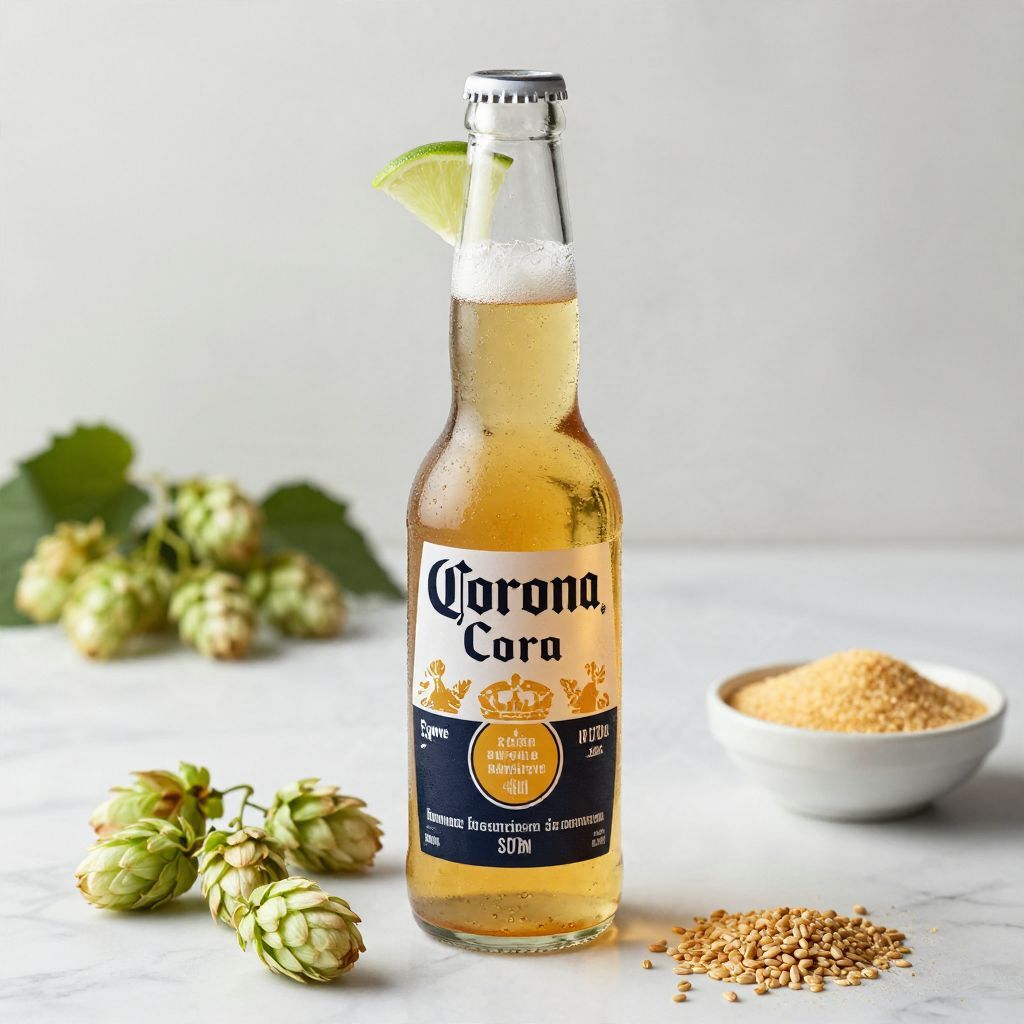
Corona Homebrew
Ingredients
Equipment
Method
- Start by thoroughly sanitizing all your equipment.
- Pour 5 gallons of filtered water into the brew kettle and heat it to around 160°F.
- Add the pale malt to the hot water and maintain the temperature at 150-155°F for about an hour.
- Rinse the grains with hot water to extract remaining sugars.
- Bring the collected wort to a boil, then add the first ounce of Saaz hops. Boil for 60 minutes.
- In the last 10 minutes of the boil, add the second ounce of Saaz hops.
- Once the boil is complete, cool the wort quickly using an immersion chiller or an ice bath.
- Transfer the cooled wort into the fermenter and pitch the yeast.
- Seal the fermenter with an airlock and let it ferment for about two weeks.