
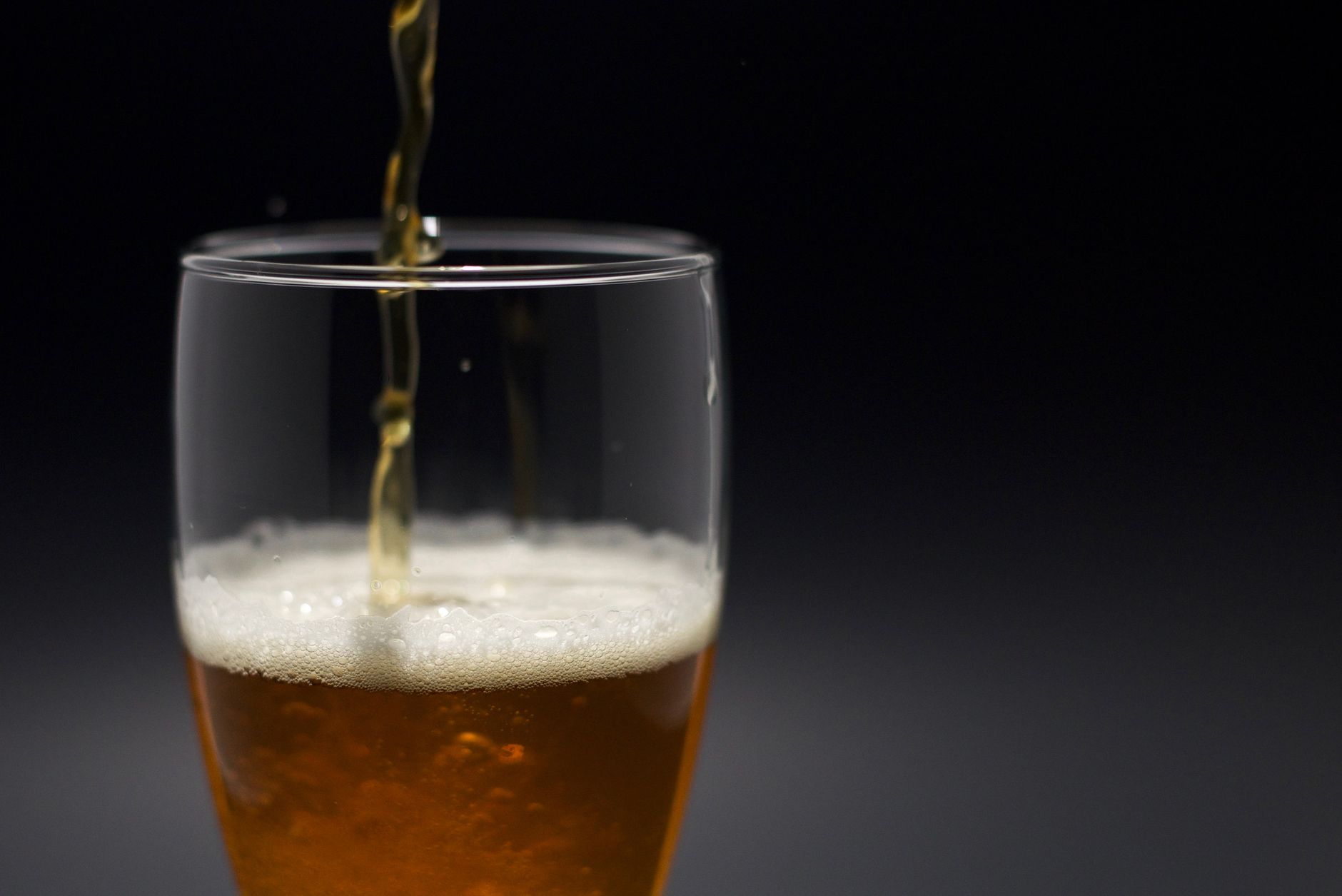
Beer is one of the most popular alcoholic beverages worldwide, often enjoyed for its refreshing taste and social aspects. But beyond the clinking glasses and casual moments, many wonder about its nutritional content, particularly protein levels. Does beer have protein, and if so, how much? Understanding the protein content in beer can help you make informed decisions regarding your diet and beverage choices.
This article will explore the protein content in various types of beer, how it compares to other beverages, its nutritional significance, and some practical tips for enjoying beer as part of a balanced lifestyle.
Does Beer Have Protein?
Yes, beer does contain protein, but the quantity is relatively low compared to other foods and beverages. Most standard beers yield about 0.5 to 1 gram of protein per 12-ounce serving, primarily derived from the ingredients used in brewing. Barley, wheat, and hops, which are the primary components, contribute to this small amount of protein.
Understanding Protein in Beer
To better appreciate the protein content in beer, it’s essential to know how protein is formed during the brewing process.
The Brewing Process
- Mashing: The first step involves soaking grains, such as barley, in hot water. This activates enzymes that break down starches into sugars. Some proteins are also released during this stage.
- Boiling: The wort (liquid extracted from the malt) is boiled, and hops are added. This step can impact protein content; some proteins precipitate out during boiling.
- Fermentation: Yeast is added to the cooled wort, and fermentation occurs, transforming sugars into alcohol and carbon dioxide. This process may lead to some protein changes as well.
The proteins in beer are mainly derived from malted grains and include a mix of smaller peptides and amino acids. It’s important to note that while beer has protein, it is not a significant source when considering dietary needs.
Protein Comparison: Beer vs. Other Beverages
When looking at protein content in beverages, it becomes clear that beer ranks low compared to other popular drinks. Here’s a comparison of protein content in various beverages:
| Beverage | Protein Content (per 12 oz) |
|---|---|
| Beer | 0.5 – 1 gram |
| Milk (whole) | 8 grams |
| Soy Milk | 7 grams |
| Protein Shake | 20 grams |
| Coconut Water | 1 gram |
As seen in the table above, traditional protein-rich beverages such as milk and protein shakes far exceed the protein content found in beer. While beer is enjoyable, it should not be relied upon as a significant protein source.
The Nutritional Significance of Beer’s Protein
While beer may contain only small amounts of protein, it’s crucial to understand its overall nutritional profile and how these proteins fit within a broader diet.
Complementing Nutritional Needs
For many, beer is enjoyed during social events or meals, providing a source of enjoyment rather than nutrition. The small amount of protein can complement other dietary sources, especially when consumed with food rich in protein.
Calories and Other Nutrients
In addition to protein, beer contains carbohydrates, which contribute to its calorie content. Most regular beers have around 150 calories per 12 ounces, driven largely by carbohydrates and a small percentage from alcohol and protein. Light beers may have fewer calories, while craft beers may have more due to higher alcohol content and ingredients.
Alcohol and Muscle Recovery
For those athletic individuals or active lifestyle enthusiasts, the notion of beer contributing to muscle recovery is often debated. Alcohol can both aid and hinder recovery. While moderate consumption may help you relax post-exercise, it can also inhibit protein synthesis, which is vital for muscle repair and growth. Thus, beer should be consumed mindfully by those focused on fitness and recovery.
Types of Beer and Their Protein Content
Different types of beer may have varying protein levels based on their ingredients and brewing methods.
Lager
Most lagers, including popular brands like Budweiser and Coors, generally have the lowest protein content, approximately around 0.5 grams per 12 oz. Their light, crisp flavor and lower alcohol level make them a common choice.
Ales
Ales, including IPAs and pale ales, can contain about 1 gram of protein per 12 oz. The use of different strains of yeast and varied hop profiles may contribute to slight changes in their protein content as well as their flavor.
Stout and Porter
Stouts and porters may also have slightly higher protein content due to the roasted malt used in brewing. They contain about 0.9 grams of protein per 12 oz. The richer flavors and thicker textures often make them a favorite among craft beer enthusiasts.
Practical Tips for Enjoying Beer
Here are some helpful tips for enjoying beer while being mindful of your nutritional intake:
Pairing Beer with Food
Pairing beer with meals can enhance your dining experience. Consider these general guidelines:
- Light Lagers: Pair well with salads, light seafood, and grilled vegetables.
- Ales: Match with hearty dishes like roasted meats or sustainable fish.
- Stouts and Porters: Best with rich desserts and barbecued meats, where their strong flavors can hold up against the food.
Mindful Consumption
Although beer can be enjoyed as part of a balanced lifestyle, moderation is key. The Centers for Disease Control and Prevention (CDC) recommends limiting alcohol intake to ensuring it does not interfere with health or fitness goals.
Choosing Quality Over Quantity
It may be beneficial to choose higher-quality, craft beers that emphasize flavor and unique ingredients rather than focusing solely on quantity. These types of beers often have richer profiles and can be more satisfying, allowing you to enjoy smaller servings.
Common Misconceptions About Beer and Protein
Various myths and misconceptions exist regarding beer and protein. Here are a few to be aware of:
- Beer Can Replace Protein Sources: While beer has some protein, it should not be considered a replacement for more wholesome protein sources such as meat, dairy, or legumes.
- All Beers Have Equivalent Protein: Different types of beers can vary widely in protein content due to brewing processes and ingredients. Choose wisely based on your dietary needs.
- Alcohol is Beneficial for Muscle Growth: While moderate alcohol consumption may have some benefits, excessive consumption can hinder muscle recovery and overall health.
Conclusion
Beer contains a small amount of protein, usually between 0.5 to 1 gram per 12-ounce serving, depending on the type. While this is a fun addition, it does not replace the need for adequate protein from other sources in your diet. By enjoying beer mindfully and using it to complement meals, you can incorporate it into a balanced lifestyle.
As you explore the world of beer, remember to appreciate its flavors and cultural significance, while maintaining a focus on nutrition. Consider trying unique recipes involving beer, or perhaps beverages like protein iced coffee and strawberry protein smoothies for enjoyable and nutritious alternatives.