
Picture this: a refreshing glass of bubbly, homemade kombucha, perfect for sipping on a warm afternoon. This Caffeine Free Kombucha Recipe offers a delightful alternative to traditional kombucha, allowing you to enjoy its tangy goodness without the jitters. With its crisp flavor and effervescent fizz, this drink is not only a probiotic powerhouse but also a fantastic way to stay hydrated. Ready to brew up a batch? Let’s dive into the ingredients and steps!
Why You’ll Love This Recipe
This recipe is a must-try for anyone looking to enjoy a caffeine-free beverage that’s both tasty and gut-friendly.
- Health Benefits: Packed with probiotics for gut health.
- Customizable Flavors: You can experiment with different fruits and herbs.
- Easy to Make: Simple steps that anyone can follow.
- Refreshing Taste: Perfect for warm days or as a fizzy treat.
My Experience Making This Recipe
When I first decided to make caffeine-free kombucha, I was curious about how it would turn out. To my delight, the first batch was a hit, with its tangy flavor and perfect fizz.
This drink quickly became my go-to for gatherings. Friends and family loved the refreshing taste, and I enjoyed the satisfaction of brewing something healthy at home.
Recipe Overview
- Recipe Name: Caffeine Free Kombucha
- Servings: 8 cups
- Prep Time: 15 minutes
- Cook Time: 7 to 14 days (fermentation)
- Total Time: 7 to 14 days
- Course: Beverage
- Cuisine: Fermented
- Calories per Serving: 30
Equipment You Will Need
- 1-gallon glass jar
- Cheesecloth or coffee filter
- Rubber band or string
- Measuring cups
- Wooden or plastic spoon
- Funnel
- Bottles for storing (preferably glass)
Ingredients for Caffeine Free Kombucha
- 4 cups of water
- 1 cup of sugar
- 1 cup of herbal tea (like hibiscus or chamomile)
- 2 cups of starter tea (from a previous batch or store-bought kombucha)
- 1 SCOBY (Symbiotic Culture Of Bacteria and Yeast)
Ingredient Notes and Substitutions
- Herbal Tea: This is crucial for flavor; use any caffeine-free variety you enjoy. You can substitute with decaffeinated black tea if desired.
- Sugar: This feeds the SCOBY; honey or agave syrup can be used but may affect the flavor.
- Starter Tea: It helps kick-start fermentation; if unavailable, you can use store-bought kombucha.
How to Make Caffeine Free Kombucha
Step 1: Boil the Water
Start by boiling 4 cups of water. This will serve as the base for your tea and ensure it’s hot enough to dissolve the sugar.
Step 2: Add Sugar
Once the water is boiling, stir in the sugar until fully dissolved. This step is crucial, as the sugar is the primary food source for the SCOBY.
Step 3: Brew the Tea
Add your herbal tea to the hot water and let it steep for about 5 to 10 minutes. The longer it steeps, the stronger the flavor will be.
Step 4: Cool the Tea
Remove the tea bags or strain the loose tea, then allow the mixture to cool to room temperature. Hot tea can harm the SCOBY, so patience is key here.
Step 5: Combine with Starter Tea
In a large glass jar, pour the cooled tea and add the starter tea. This mixture creates an optimal environment for fermentation.
Step 6: Add the SCOBY
Gently place the SCOBY into the jar. Be careful; if you drop it, it might get damaged, which can lead to fermentation issues.
Step 7: Cover the Jar
Cover the jar with cheesecloth or a coffee filter secured with a rubber band. This keeps out dust while allowing the kombucha to breathe.
Step 8: Ferment
Place the jar in a warm, dark place for 7 to 14 days. Taste it periodically until it reaches your desired balance of sweetness and tang.
Pro Tip: The longer you ferment, the less sweet and more tangy your kombucha will become. Taste regularly to find your perfect balance!
Tips for the Best Caffeine Free Kombucha
- Use filtered water for the best flavor and to avoid any chemicals.
- Keep the jar in a consistent temperature area, ideally between 68°F and 85°F.
- Experiment with flavors during the second fermentation by adding fruits or herbs.
- Don’t disturb the SCOBY too much; it likes its space.
- Keep an eye on your brew to prevent over-fermentation, which can lead to vinegar-like flavors.
Common Mistakes to Avoid
- Not using enough sugar can lead to a weak fermentation.
- Using metal utensils can harm the SCOBY; stick to wood or plastic.
- Fermenting in direct sunlight can overheat the brew.
- Skipping the starter tea can prevent proper fermentation.
Serving Suggestions
This kombucha is delightful on its own, but you can enhance it with some creative pairings.
- Serve with fresh fruit slices for added flavor.
- Pair with light appetizers like cucumber sandwiches.
- Mix with fresh herbs for a refreshing twist.
- Enjoy with a light salad for a crisp meal.
Variations to Try
- Add ginger for a spicy kick and digestive benefits.
- Include berries for a fruity flavor explosion.
- Try citrus peels for a refreshing zing.
- Experiment with floral teas like lavender for a unique taste.
Dietary Adaptations
- Gluten-Free: This recipe is naturally gluten-free.
- Dairy-Free: Absolutely dairy-free, making it suitable for all diets.
- Vegan/Vegetarian: Suitable for both, as no animal products are used.
- Low-Carb/Keto: Not ideal due to sugar, but can be adjusted with sugar substitutes.
Storage and Reheating
Refrigerator
Store your kombucha in the refrigerator once it reaches your desired taste.
- Keep it in glass bottles to maintain fizz.
- Consume within 1 to 2 months for the best flavor.
Freezer
Freezing kombucha is not recommended, as it can damage the SCOBY and alter texture.
- Instead, focus on proper refrigeration to preserve quality.
Reheating
Do not reheat kombucha; it’s best served cold or at room temperature.
- Enjoy it fresh, chilled from the fridge.
Nutrition Information
| Nutrient | Amount |
|---|---|
| Calories | 30 |
| Total Fat | 0g |
| Saturated Fat | 0g |
| Carbohydrates | 8g |
| Fiber | 0g |
| Sugar | 8g |
| Protein | 0g |
| Sodium | 5mg |
| Cholesterol | 0mg |
This nutritional information is an estimate and can vary based on specific ingredients used.
Frequently Asked Questions
Can I use decaffeinated tea?
Yes, decaffeinated tea works perfectly and will give you a delightful flavor without the caffeine.
How long can I store kombucha?
Once refrigerated, it can last for about 1 to 2 months while maintaining its taste.
Can I make this kombucha ahead of time?
Absolutely! Just ensure you store it properly in the fridge after fermentation.
What if my kombucha is too sugary?
If it’s too sweet, simply let it ferment longer until it reaches your desired taste.
Can I reuse the SCOBY?
Yes, the SCOBY can be reused multiple times; just ensure it stays healthy and happy!
Final Thoughts
There you have it! Making your own caffeine-free kombucha is not only rewarding but also a fun way to get creative in the kitchen.
Try this recipe and enjoy the bubbly goodness. Your taste buds will thank you for it!
If you’re looking for more delightful drinks, check out this hard kombucha recipe or enjoy a refreshing non-alcoholic pina colada.
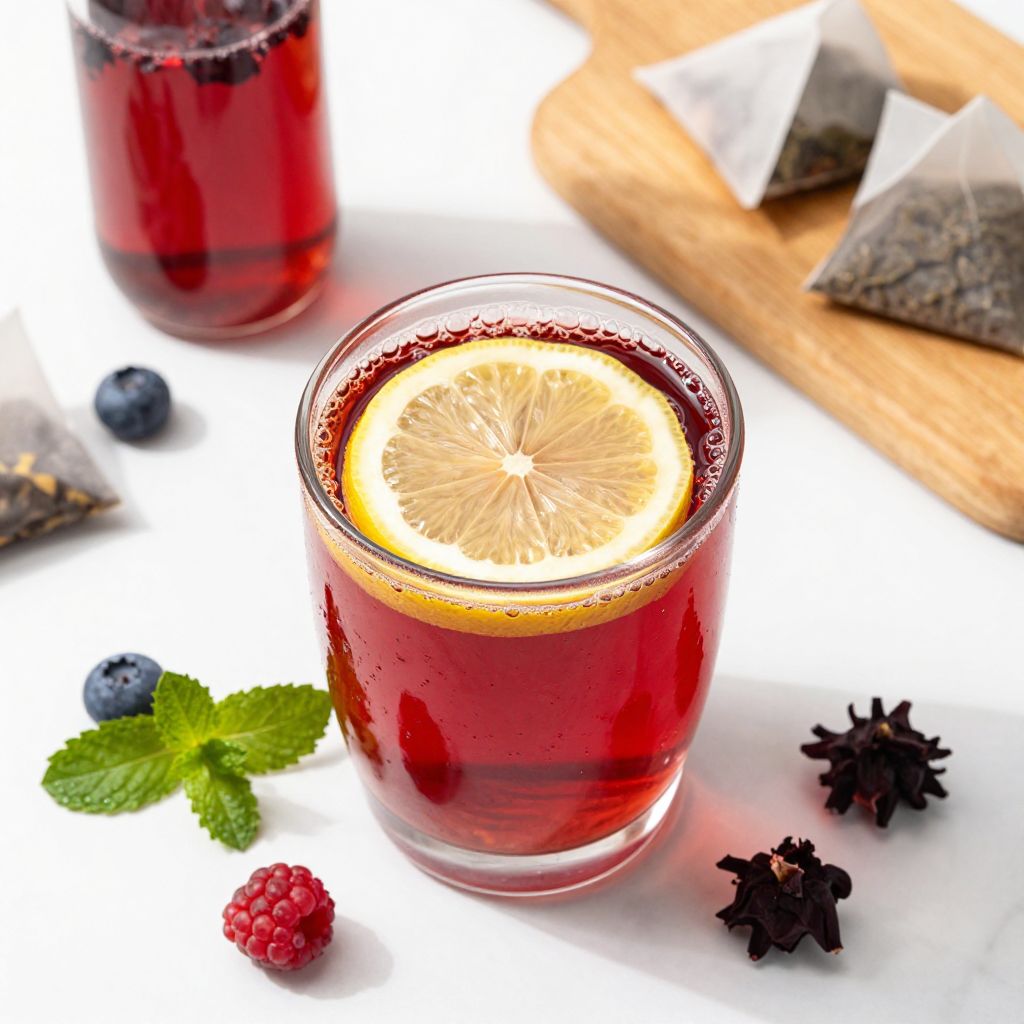
Caffeine Free Kombucha
Ingredients
Equipment
Method
- Start by boiling 4 cups of water.
- Once the water is boiling, stir in the sugar until fully dissolved.
- Add your herbal tea to the hot water and let it steep for about 5 to 10 minutes.
- Remove the tea bags or strain the loose tea, then allow the mixture to cool to room temperature.
- In a large glass jar, pour the cooled tea and add the starter tea.
- Gently place the SCOBY into the jar.
- Cover the jar with cheesecloth or a coffee filter secured with a rubber band.
- Place the jar in a warm, dark place for 7 to 14 days.
- Taste it periodically until it reaches your desired balance of sweetness and tang.