
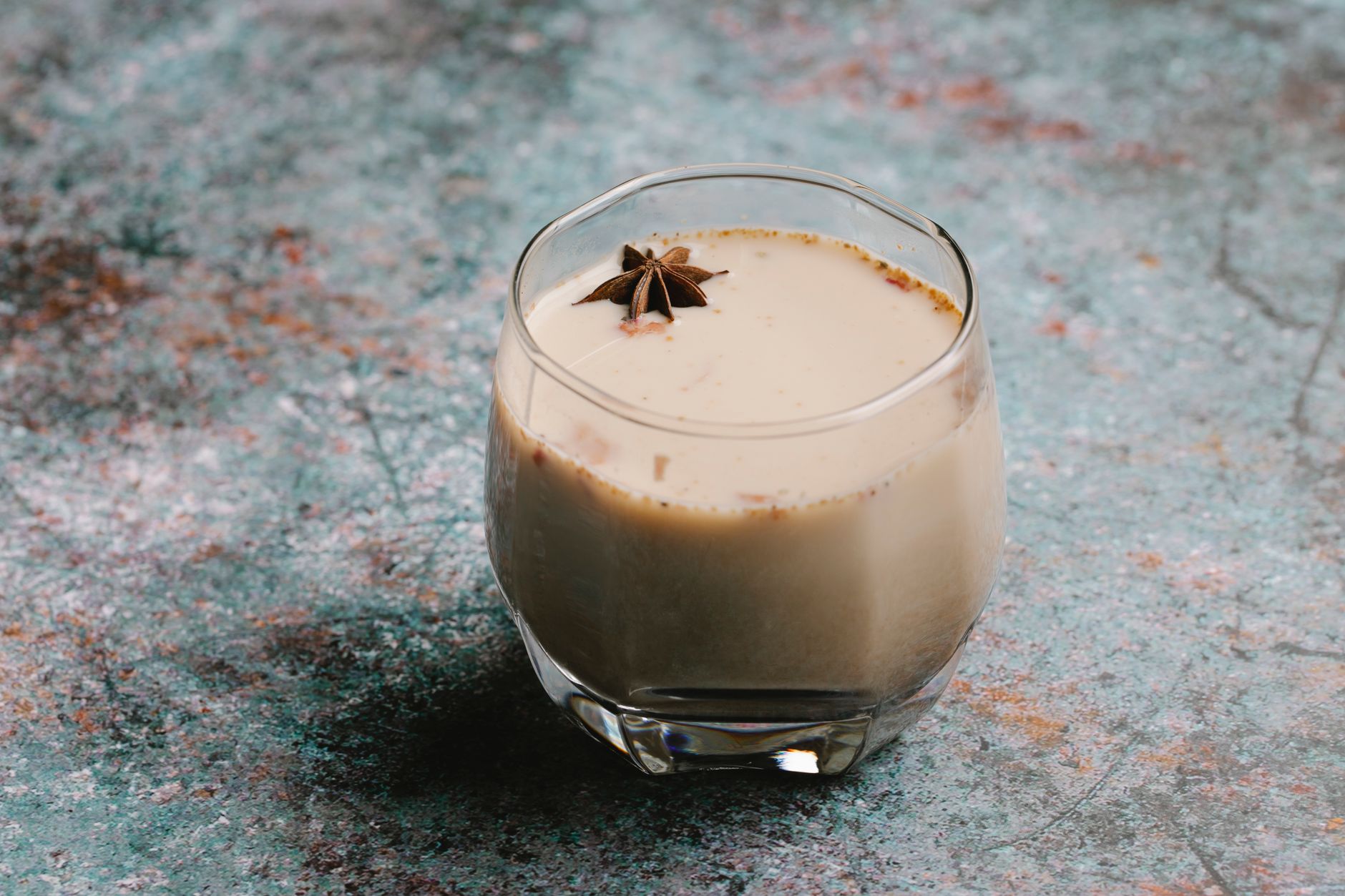
Chai is a beloved beverage known for its aromatic spices and rich flavors. However, many people wonder about one specific aspect: Does chai have milk? The answer often varies by region, personal preference, and the type of chai being prepared. This guide explores the role of milk in chai, traditional recipes, and variations.
Understanding whether chai has milk involves both cultural context and personal choice. Some enjoy it creamy and rich, while others prefer it black. Read on to uncover the various interpretations of chai, tips for making it at home, and a closer look at the ingredients involved.
Does Chai Have Milk?
Yes, traditional chai often includes milk, especially in South Asian cultures. However, there are numerous variations of chai that may be served without milk. The choice largely hinges on personal taste and dietary preferences.
The Essence of Chai
Chai, derived from the Chinese word for tea, refers to a specific blend of black tea and spices in many South Asian countries, notably India, Pakistan, and Bangladesh. While masala chai (spiced tea) typically includes milk, it’s essential to understand that “chai” can refer to different preparations.
Chai’s primary components generally include:
- Black tea
- Water
- Spices (like cardamom, ginger, cloves, and cinnamon)
- Sweetener (sugar, honey, or jaggery)
- Milk (optional, based on preference)
Types of Chai: With and Without Milk
1. Masala Chai (Spiced Tea with Milk)
Masala chai is the most common form of chai in South Asia. It combines black tea with a mixture of warming spices and milk. The milk creates a rich, creamy texture and helps balance the bold flavors of the spices.
Ingredients for Masala Chai
- 1 cup water
- 1 cup milk (dairy or non-dairy alternatives)
- 2 teaspoons black tea leaves or 2 tea bags
- 1-2 teaspoons sugar (to taste)
- ½ teaspoon ground ginger or 1-inch fresh ginger piece (sliced)
- 2-3 cardamom pods (crushed)
- 1-2 whole cloves (optional)
- Cinnamon stick (optional)
How to Make Masala Chai
- Boil water in a saucepan over medium heat.
- Add the spices (ginger, cardamom, cloves, and cinnamon) to the boiling water and let it simmer for 5 minutes.
- Add the black tea and simmer for another 2-3 minutes.
- Stir in the milk and sugar; bring to a boil.
- Once it reaches the desired strength, strain the chai into cups.
2. Chai without Milk (Black Chai)
Black chai is enjoyed by those who prefer a stronger tea flavor without the richness of milk. It retains the aromatic spices but is brewed solely with water.
Ingredients for Black Chai
- 1 cup water
- 2 teaspoons black tea leaves or 2 tea bags
- 1-2 teaspoons sugar (to taste)
- ½ teaspoon ground ginger or 1-inch fresh ginger piece (sliced)
- 2-3 cardamom pods (crushed)
- 1-2 whole cloves (optional)
- Cinnamon stick (optional)
How to Make Black Chai
- Boil water in a saucepan over medium heat.
- Add the spices and ginger; let it simmer for 5 minutes to release the flavors.
- Add the black tea and simmer for an additional 2-3 minutes.
- Add sugar according to taste and mix well.
- Strain and serve hot.
3. Iced Chai (Chai On The Rocks)
For those who prefer a refreshment, iced chai offers a delightful summer variation. It can be made with or without milk, depending on personal preference.
Ingredients for Iced Chai
- 1 cup water
- 1-2 teaspoons black tea leaves or 1-2 tea bags
- ½ cup milk (optional)
- 1-2 teaspoons sugar (to taste)
- Ice cubes
- Spices (as per masala chai or black chai)
How to Make Iced Chai
- Boil water in a saucepan with spices for 5 minutes.
- Add tea and sugar, then simmer for another 3 minutes.
- Remove from heat and let it cool.
- If using, add milk after the mixture has cooled down.
- Pour over ice and serve.
Regional Variations of Chai
Chai is consumed worldwide, and each culture has put a unique spin on this flavorful drink. Here are some significant variations:
1. Authentic Indian Masala Chai
Indian masala chai is rich in spices and typically includes a strong black tea base. Street vendors often make it using loose tea leaves and offer it in small cups. The experience is as much about social engagement as it is about enjoying the beverage.
2. Kashmiri Chai
Kashmiri chai, known for its pink hue, is a milky tea made with green tea leaves, ground almonds, and cardamom. It’s cooked slowly to develop a creamy texture, often garnished with chopped pistachios.
3. Thai Tea
In Thailand, tea is brewed with spices like star anise and served sweetened with condensed milk. This dessert-like drink is poured over ice for a refreshing treat.
4. Chai Latte
A popular drink in coffee shops, the chai latte combines spiced tea with steamed milk, resulting in a smooth and creamy drink, often topped with a sprinkle of cinnamon or nutmeg.
Should You Include Milk in Chai?
Including milk in chai is a matter of personal preference. For those who enjoy a creamier texture and a softer spice flavor, adding milk is ideal. Milk also helps to mellow out the tannins present in black tea, creating a smoother experience.
On the other hand, opting for black chai allows one to appreciate the bold flavors of the tea and spices without any masking. People who may be lactose intolerant or follow a vegan diet often skip the milk portion, enjoying the tea in its pure form or replacing it with alternatives like almond or oat milk.
Milk Alternatives for Chai
With the growing popularity of plant-based alternatives, numerous options exist for substituting dairy milk in chai. Here are a few ideas:
- Almond Milk: Adds a slight nutty taste while being low in calories.
- Coconut Milk: Provides a creamy consistency and tropical flavor.
- Oat Milk: Offers a sweet, mild base that blends well with chai spices.
- Soy Milk: A high-protein option that froths well, making it suitable for lattes.
- Cashew Milk: Smooth and creamy, it can enhance flavors without overpowering them.
Preparing Chai: Helpful Tips
1. Quality of Tea
The quality of tea leaves significantly impacts the final flavor. Loose leaf tea is often preferred for traditional chai. Assam or Darjeeling variants are popular choices.
2. Spice Blend
Creating your own spice blend allows for personalization. Common spices include cardamom, ginger, cinnamon, and cloves, but consider adding vanilla, nutmeg, or anise for a unique touch.
3. Sweetening Options
Experiment with various sweeteners to find the one that suits your palate. Brown sugar, honey, or jaggery can enhance the taste while offering a twist compared to regular white sugar.
4. Brewing Time
Keep an eye on brewing times, especially with black tea. Over-brewing can lead to bitterness; find the balance by adjusting the steeping time.
5. Equipment
While you can brew chai with any pot, a traditional “kettle” or “saucepan” designed for simmering works best. Filtering through a fine mesh strainer helps keep the spices intact for a smoother drink.
Common Mistakes to Avoid
1. Using Low-Quality Tea
Quality tea can elevate your chai experience. Avoid tea bags filled with tea dust or low-grade leaves.
2. Incorrect Spice Ratios
Too much spice can overpower the tea. Lift the flavor gradually by starting with smaller amounts before increasing them.
3. Not Straining Properly
For a clean drinking experience, do not skip straining the tea. Large chunks of spices can disturb the taste and texture.
4. Skipping Sweetener
Sweetness enhances flavor and softens the spices’ intensity. Adjust sugar or other sweeteners to taste, but don’t skip them altogether.
Storage and Reheating
Chai is best enjoyed fresh but can be stored in the refrigerator for up to two days. If you’ve made a larger batch, allow it to cool before refrigeration. To reheat, gently warm on the stove; avoid boiling to maintain quality.
Final Thoughts
Whether you prefer your chai with milk or not, this beverage remains versatile and rich in flavor. Understand your personal preference and the traditions surrounding this drink will enhance your chai experience. Celebrate the warm aromas and flavors that chai offers, whether enjoyed at home or in your favorite café.
For more delightful chai variations, check out the vanilla chai tea recipe or learn how to make a chai tea latte similar to Starbucks.