
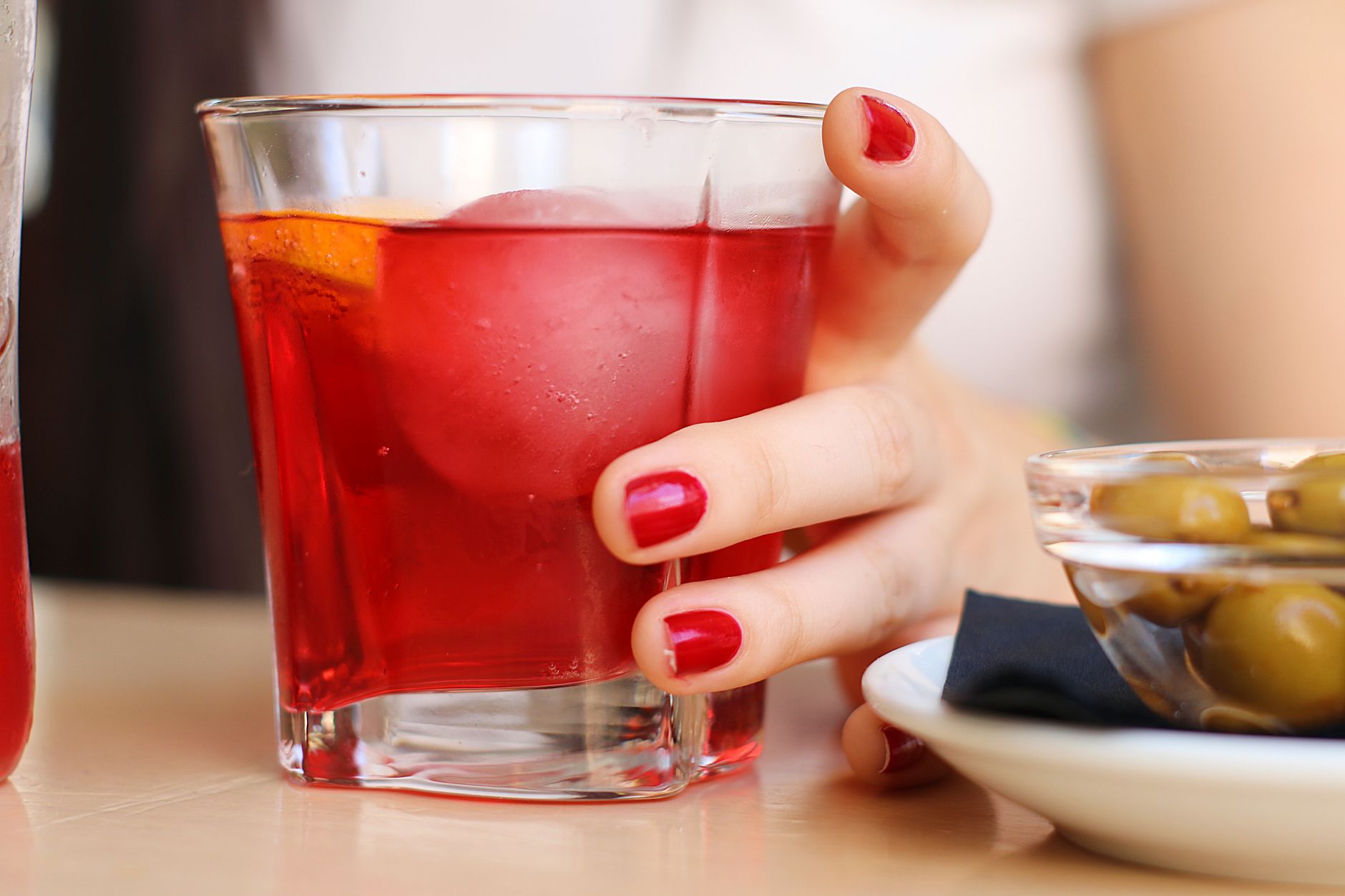
Vermouth is a fortified wine that comes with intriguing flavors, often used in mixing cocktails or enjoyed on its own. But does vermouth have alcohol in it? This article will clarify its alcohol content, explore what vermouth is made of, and discuss its culinary uses, making it easier for you to decide how to incorporate this unique ingredient into your drinks or dishes.
Understanding the properties of vermouth is essential for both novice and experienced cooks and mixologists. Delving into its characteristics will help you appreciate its versatility while also answering some burning questions about its alcohol content.
Does Vermouth Have Alcohol In It?
Yes, vermouth does contain alcohol. Vermouth is a fortified wine, meaning it has had distilled spirits added to it, increasing its alcohol content. Typically, vermouth has an alcohol by volume (ABV) ranging from 15% to 18%, depending on the type and brand.
What Is Vermouth?
Vermouth is a type of fortified wine that is aromatized with various botanicals, including herbs, spices, flowers, and roots. Originally created in Italy, vermouth has become a staple in cocktail culture across the globe. There are two main types of vermouth: sweet and dry, each with its own unique flavor profile and culinary uses.
Types of Vermouth
- Sweet Vermouth: Typically darker and sweeter, sweet vermouth is often used in cocktails like the classic Manhattan and Negroni.
- Dry Vermouth: Generally lighter and less sweet, dry vermouth is an essential ingredient in cocktails such as the Martini.
- Bianco Vermouth: A white vermouth that is only slightly sweet, Bianco is ideal for lighter cocktails or can be enjoyed chilled on its own.
- Rosso Vermouth: A red vermouth that offers complex flavors with a blend of herbs and sweetness, perfect for richer cocktails.
How Is Vermouth Made?
The production of vermouth involves several key steps, starting with the selection of base wine. Here is a simplified overview of how vermouth is made:
- Selection of Wine: The base wine for vermouth can be made from various grape types, influencing its flavor.
- Fortification: The chosen wine is fortified with a distilled spirit, such as brandy. This process raises the alcohol content while preserving the wine’s sugary and fruity components.
- Aromatization: Various botanicals are added to the mix. The selection may include anything from wormwood and chamomile to citrus peels and cinnamon, contributing to its distinct taste.
- Aging: The mixture is then aged for a certain period to allow the flavors to meld. Aging can take place in oak barrels or stainless steel tanks.
- Filtration and Bottling: Once the vermouth has reached the desired flavor profile, it is filtered and bottled, ready for consumption.
Culinary Uses of Vermouth
Vermouth is versatile in both drink and food applications. Its fragrant and herbal characteristics make it an excellent ingredient for a variety of recipes, both alcoholic and non-alcoholic.
In Cocktails
The most common and popular use for vermouth is in cocktails. Here are a few classic cocktails that feature vermouth:
- Martini: A classic cocktail made with gin or vodka and dry vermouth, garnished with an olive or a twist of lemon.
- Manhattan: An iconic drink composed of whiskey, sweet vermouth, and bitters, garnished with a cherry.
- Negroni: A refreshing cocktail combining gin, sweet vermouth, and Campari, served with an orange slice.
- Vermouth Spritz: A simple and refreshing drink made with vermouth and soda water, garnished with a lemon twist.
In Cooking
Apart from cocktails, vermouth is used in various cooking applications. Here are ways to incorporate vermouth into your cooking:
- Deglazing: Use vermouth to deglaze pans after sautéing meats or vegetables, providing richness to sauces.
- Marinades: Vermouth can enhance the flavor of meats in marinades. Combine it with olive oil, herbs, and spices for a magnetic infusion of flavor.
- Soups and Stews: A splash of dry vermouth can elevate the taste of soups, especially seafood and vegetable-based ones.
- Risottos: Replace white wine with vermouth for a delicious twist when preparing risottos.
Choosing the Right Vermouth
When selecting vermouth for cooking or mixing cocktails, consider the following guidelines:
- Quality Matters: Choose a good quality vermouth for optimum flavor. Higher-quality brands often have more complex and balanced flavors.
- Match the Type: Depending on your recipe, select the appropriate type of vermouth. Use dry vermouth for lighter dishes and sweet vermouth for richer flavors.
- Read Labels: Pay attention to the ingredients, as some brands may add artificial flavors or colors.
Practical Substitutions for Vermouth
If you’re in need of a substitute for vermouth, there are several options available that can mimic its unique attributes:
- Dry White Wine: As a substitution for dry vermouth in cocktails or cooking, dry white wine provides a similar flavor profile.
- Sweet White Wine: For sweet vermouth, sweet white wine can work as a suitable alternative in many recipes.
- Stock or Broth: For cooking applications where vermouth is used to deglaze or enhance flavor, a splash of stock or broth can work well.
- Apple Cider Vinegar: In certain recipes, a little apple cider vinegar mixed with water can imitate some elements of vermouth, especially for acidity.
Common Mistakes While Using Vermouth
While vermouth is a relatively easy ingredient to work with, here are some common mistakes to avoid:
- Overusing Vermouth: Since vermouth is usually used in smaller quantities compared to other ingredients, it’s easy to overdo it. Start small and adjust to taste.
- Ignoring Storage: Vermouth should be refrigerated after opening and consumed within a month or two to ensure the best flavor can be experienced.
- Using the Wrong Type: Always check that you are using sweet or dry vermouth correctly depending on your recipe needs.
Tips for Enjoying Vermouth
To fully appreciate the flavors of vermouth, here are some helpful tips:
- Chill it: Serving vermouth chilled can enhance its flavors and aromas. Consider keeping it in the fridge before serving.
- Experiment: Don’t hesitate to try different brands and styles of vermouth. Each one can offer unique flavor profiles that may surprise you.
- Pairing with Food: Pair vermouth with appetizers such as olives, cheese, or charcuterie for a delightful experience.
Storage Recommendations
Proper storage of vermouth is essential for maintaining its quality:
- Once opened, vermouth should be stored in the refrigerator. Unlike regular wine, its shelf life will be shorter and is usually best consumed within a couple of months.
- Keep the bottle sealed tightly to reduce oxidation and maintain flavor quality.
Exploring Vermouth Versatility in Drinks
The versatility of vermouth makes it an exciting ingredient for cocktails beyond the classics. Try these innovative ways to incorporate vermouth in drinks:
- Vermouth Spritz: Combine sweet vermouth with sparkling wine and soda water for a bubbly refresher.
- Vermouth Tonic: Mix dry vermouth with tonic water, add lemon slices, and enjoy a lighter take on the classic gin and tonic.
Verifying Alcohol Content of Various Vermouth Brands
When you explore different brands of vermouth, it’s worth noting that there can be slight variations in alcohol content:
| Brand | Type | Alcohol by Volume (ABV) |
|---|---|---|
| Martini & Rossi | Sweet Vermouth | 15% |
| Dolin | Dry Vermouth | 17.5% |
| Carpano Antica | Sweet Vermouth | 16.5% |
| Noilly Prat | Dry Vermouth | 18% |
Food Pairing Considerations
When pairing food with vermouth, consider both the type of vermouth and the preparation method you are using:
- Sweet Vermouth: Pairs well with roasted meats, charcuterie, and dark chocolate desserts.
- Dry Vermouth: Complements seafood, asparagus, and light pasta dishes well.
Conclusion
Vermouth is a flavorful, aromatic fortified wine that does contain alcohol, making it an exciting ingredient for cocktails and cooking. By understanding its types, production process, and culinary applications, you can fully appreciate this versatile beverage. Explore the world of vermouth in your own home—they might just inspire your next favorite drink or dish.
For more recipes and drinks ideas, consider exploring a delicious Manhattan cocktail recipe or a classic brandy cocktail recipe.