
There’s nothing quite like the smell of cinnamon and apple filling your kitchen on a chilly afternoon, transforming a simple cup of tea into something that feels like a warm hug from the inside out. Apple tea is one of those recipes that bridges the gap between comfort drink and genuine self-care, requiring just a handful of ingredients and minimal effort but delivering maximum coziness.
This recipe works beautifully whether you’re nursing a cold, winding down after a long day, or simply craving something naturally sweet without processed sugar. The beauty of homemade apple tea lies in how the fresh fruit infuses the water with subtle sweetness while the spices add depth and warmth that store-bought versions rarely capture.
Why You’ll Love This Recipe
Apple tea hits all the right notes: it’s naturally sweetened, deeply aromatic, and takes about fifteen minutes from stovetop to sipping. Here’s what makes it stand out.
- Naturally sweet without refined sugar, just pure fruit flavor
- Warm spices like cinnamon and clove add complexity without overpowering
- Perfect for meal prep, since you can make a big batch and reheat throughout the week
- Impressive enough to serve guests but simple enough for a weeknight ritual
- Works hot or cold depending on the season
My Experience Making This Recipe
The first time I made apple tea, I was skeptical that something so simple could actually taste this good. I used honeycrisp apples and fresh ginger, and the kitchen smelled absolutely incredible within five minutes of it hitting the stovetop.
My partner wandered in asking what was cooking, and I handed him a mug before it had even fully cooled. He took one sip and asked if we could make it again the next day, which tells you everything you need to know about how this recipe performs.
Since then, I’ve made it dozens of times with different apple varieties and spice combinations. It never fails to deliver that cozy, nourishing feeling that makes you want to hold the mug with both hands and just breathe in the steam.
Recipe Overview
- Recipe Name: Apple Tea
- Servings: 4 servings
- Prep Time: 10 minutes
- Cook Time: 15 minutes
- Total Time: 25 minutes
- Course: Beverage
- Cuisine: International
- Calories per Serving: 85
Equipment You Will Need
- Large pot or saucepan (at least 2-quart capacity)
- Sharp knife for slicing apples
- Cutting board
- Wooden spoon for stirring
- Fine mesh strainer or cheesecloth
- Mugs for serving
- Measuring cups and spoons
Ingredients for Apple Tea
- 6 cups water
- 2 large apples (honeycrisp, granny smith, or fuji work best), cored and sliced
- 1 cinnamon stick (or 1/2 teaspoon ground cinnamon)
- 2-3 whole cloves
- 1-inch piece of fresh ginger, sliced (optional but recommended)
- 2 tablespoons honey (adjust to taste)
- 1/2 lemon, sliced thin
- Pinch of sea salt
Ingredient Notes and Substitutions
- Apples: Fresh apples provide natural sweetness and pectin that gives the tea body. You can substitute with dried apple slices if fresh aren’t available, but use only half the amount and add an extra two minutes to the cooking time.
- Cinnamon stick: Whole spices infuse more subtly than ground versions. If you only have ground cinnamon, use half the amount and strain carefully to avoid sediment.
- Fresh ginger: Adds a gentle spicy warmth and aids digestion. Leave it out if you prefer a cleaner apple flavor, or swap for 1/2 teaspoon ground ginger.
- Honey: Raw honey adds minerals and antimicrobial properties. Maple syrup or agave work equally well as natural sweeteners.
- Lemon: Brightens the apple flavor and prevents browning. Lime juice offers a different but equally pleasant citrus note.
How to Make Apple Tea
Step 1: Prepare Your Apples
Wash your apples thoroughly under running water and pat them dry with a clean towel. Core and slice each apple into thin half-moons, leaving the skin on for extra fiber and nutrients, which also contributes tannins that add subtle complexity to the tea.
Step 2: Measure and Add Water
Pour six cups of fresh, cold water into your pot and set it on the stovetop over medium-high heat. Using filtered water if possible will give you the cleanest, purest tea flavor without any tap water taste interfering with the apple and spices.
Step 3: Add Your Spices to Cold Water
Before the water boils, add your cinnamon stick and whole cloves directly to the cold water. Starting spices in cold water allows them to infuse gradually and release their oils evenly, rather than getting shocked by boiling water and turning harsh or bitter.
Step 4: Slice Your Ginger and Lemon
While waiting for the water to heat, slice your fresh ginger into thin coins and cut your lemon into thin wheels. Keep these separate from your apple slices for now, as you’ll be adding them at different times to layer the flavors properly.
Step 5: Bring Water to a Gentle Boil
Watch the pot and let the water come to a gentle boil around the spices. Once you see bubbles actively breaking the surface, reduce the heat to medium so the water simmers rather than rolling boils, which keeps the tea from becoming too concentrated or developing a bitter edge.
Step 6: Add Your Apples and Ginger
Carefully add your sliced apples and ginger to the simmering water, stirring gently with a wooden spoon. The apples will begin releasing their sugars and pectin into the water almost immediately, creating a naturally sweet, slightly viscous tea without any need for added sweeteners.
Step 7: Simmer and Infuse
Let everything simmer together for about ten minutes, stirring occasionally. You’ll notice the water turning a pale golden color and the aroma becoming richer and more complex as the apples continue breaking down and the spices fully infuse.
Step 8: Add Lemon and Honey
Add your lemon slices and honey to the pot, stirring until the honey dissolves completely into the hot liquid. The lemon juice brightens all the flavors and adds a subtle tartness that balances the natural sweetness of the apples beautifully.
Step 9: Final Simmer and Seasoning
Continue simmering for another three to five minutes, tasting as you go to adjust sweetness and spice levels. Add a tiny pinch of sea salt right at the end, which enhances all the other flavors and makes the apple taste more like itself.
Step 10: Strain and Serve
Pour the tea through a fine mesh strainer into your mugs, letting the liquid flow through while keeping back the solids. You can drink it immediately or let it cool slightly, and some people enjoy eating the softened apple slices after sipping the tea, since they’ve absorbed all those lovely spice flavors.
Pro Tip: Don’t rush the simmering step; those extra minutes allow the spices to fully infuse and the apples to release all their natural pectin, giving you a richer, more flavorful tea that tastes like you spent hours on it when really you’ve just been patient.
Tips for the Best Apple Tea
- Choose apples that are ripe but still firm, as overripe fruit can turn mushy and make the tea taste mealy instead of clean and bright.
- If you prefer stronger spice flavor, add an extra clove or a larger piece of ginger, but do so sparingly since these flavors intensify as they infuse.
- Don’t skip the salt; just a tiny pinch at the very end rounds out all the flavors and prevents the tea from tasting one-dimensional.
- Make a big batch and refrigerate it to drink over several days, since the flavors actually deepen as it sits and the tea becomes more balanced.
- Taste your tea before adding honey, since the natural sweetness of the apples means you might need less than you think.
- If your kitchen gets cold in the afternoon, reheat your stored apple tea gently over low heat rather than in the microwave, which can sometimes make the spices taste flat.
Common Mistakes to Avoid
- Using mealy or soft apples: Overripe fruit breaks down too quickly and makes the tea taste like applesauce rather than a clean, drinkable beverage with apple flavor.
- Boiling the water too vigorously: A rolling boil can make the spices taste harsh and bitter, and it can cause the apples to break apart too much and cloud the tea.
- Adding the spices after the water boils: Starting them in cold water allows gentler, more even infusion compared to shocking them with heat, which can lock in bitterness.
- Forgetting the salt: Even a tiny pinch balances and enhances all the fruit and spice flavors, making the difference between good tea and truly delicious tea.
- Steeping too long: More than fifteen minutes total can flip the flavor profile from cozy and balanced to overly concentrated and one-dimensional.
Serving Suggestions
Serve apple tea hot in your favorite mug, ideally while it’s still steaming so you get the full aromatic experience. It pairs beautifully with simple snacks or pastries, and it’s equally good sipped on its own as a moment of quiet reflection.
- With a slice of buttered toast and jam for a simple breakfast treat
- Alongside spiced cookies or oatmeal bars for an afternoon snack
- After dinner as a caffeine-free wind-down beverage that aids digestion
- Chilled over ice as a refreshing summer drink with a slice of fresh apple as garnish
- With a dollop of whipped cream or a splash of almond milk for extra richness
Variations to Try
- Spiced Apple Tea: Add a star anise pod and a small pinch of nutmeg for deeper warmth and complexity that reminds you of apple pie filling.
- Apple Hibiscus Tea: Steep one tablespoon of dried hibiscus flowers along with the other ingredients for a tart, floral note and a beautiful deep red color.
- Vanilla Apple Tea: Add a small piece of vanilla bean or 1/4 teaspoon vanilla extract after straining for creamy sweetness that rounds out the spices.
- Apple Green Tea Blend: Steep two green tea bags in the finished apple tea for a lighter, more energizing beverage with subtle grassy undertones.
- Apple Mint Tea: Add a small handful of fresh mint leaves during the final minute of steeping for a cooling, refreshing variation that works especially well served cold.
Dietary Adaptations
- Gluten-free: This recipe is naturally gluten-free since it contains no grains or processed ingredients, making it safe for anyone with celiac disease or gluten sensitivity.
- Dairy-free: The base recipe contains no dairy, though if you add milk or cream, use any non-dairy alternative like oat, almond, or coconut milk.
- Vegan: Swap honey for maple syrup or agave nectar in equal amounts to keep the recipe entirely plant-based.
- Low-carb or keto: Use just one small apple instead of two, omit the honey, and add a few drops of liquid stevia if you need extra sweetness to reduce the carb count significantly.
Storage and Reheating
Refrigerator
Store your brewed apple tea in a covered glass container in the refrigerator for up to five days. The flavors continue to develop and blend as it sits, actually making it taste better by day two or three.
- Keep the apple and spice solids separate from the liquid if possible, or strain them out completely before storage
- If storing with the fruit in, consume within three days before the apples start to break down and cloud the tea
Freezer
You can freeze apple tea in ice cube trays and pop out individual portions whenever you want a quick cup. Thaw at room temperature or gently reheat on the stovetop rather than using the microwave.
- Frozen apple tea cubes will keep for up to three months
- They’re perfect for adding to smoothies or diluting with hot water for instant apple tea
Reheating
Gently warm your refrigerated apple tea over medium-low heat on the stovetop, stirring occasionally to ensure even heating. Avoid the microwave when possible, since high heat can flatten the delicate spice flavors and make the tea taste one-dimensional.
- Heat just until steaming, not boiling, to preserve the flavor profile
- Add fresh lemon juice if the flavors seem to have dulled after storage
Nutrition Information
| Nutrient | Amount |
|---|---|
| Calories | 85 |
| Total Fat | 0.3 g |
| Saturated Fat | 0.1 g |
| Carbohydrates | 22 g |
| Fiber | 3 g |
| Sugar | 17 g |
| Protein | 0.4 g |
| Sodium | 8 mg |
| Cholesterol | 0 mg |
These values are approximate and based on USDA data for the ingredients used. Actual nutrition will vary slightly depending on your specific apple variety, the exact amount of honey used, and other variables in preparation.
Frequently Asked Questions
Can I use apple juice or cider instead of fresh apples?
You can, but the result will taste more like flavored cider than true apple tea, since you’ll lose the fresh fruit character and the natural pectin that gives the tea body. If you do substitute, use four cups of unsweetened apple juice and reduce the water to two cups, then skip the cooking step and simply heat everything together.
How far in advance can I make this recipe?
You can make apple tea up to five days ahead and store it covered in the refrigerator, which actually improves the flavor as the spices continue infusing. Strain out the fruit solids before storing to keep the tea clear and prevent the apples from becoming mushy.
Is apple tea safe to drink if I’m pregnant?
Yes, apple tea made from fresh apples and mild spices like cinnamon is considered safe during pregnancy, but check with your healthcare provider about specific ingredients if you have concerns. Avoid excessive amounts of ginger if your doctor has cautioned against it, and keep honey portions moderate.
Why does my apple tea look cloudy instead of clear?
Cloudiness usually means the apples have broken down too much or you didn’t strain thoroughly enough, both of which are harmless but affect appearance. For clearer tea next time, use slightly firmer apples, avoid boiling vigorously, and strain through cheesecloth or a very fine mesh strainer.
Can I add black tea or other tea to this recipe?
Absolutely; two steeped black tea bags or green tea bags added after you remove the heat creates a hybrid beverage with more complexity and a gentle caffeine boost. Add the tea bags only after the apple and spice infusion is finished, steep for three to five minutes, then remove them so they don’t become bitter.
What apples work best for this recipe?
Honeycrisp, granny smith, and fuji apples all work beautifully, offering different flavor profiles: honeycrisp brings honey-like sweetness, granny smith adds tartness, and fuji offers mellow sweetness. Mix two varieties for a more complex flavor that keeps the tea interesting sip after sip.
Final Thoughts
Apple tea is the kind of recipe that rewards you for taking fifteen minutes to slow down and make something warm with your own hands. It costs just a few dollars to prepare, uses ingredients you probably have on hand, and tastes like you’ve invested hours of effort even though it’s genuinely simple.
Make a big batch this weekend and experience how something this humble can actually transform an ordinary afternoon into something genuinely cozy and nourishing. Your kitchen will smell incredible, and you’ll have a drink that you’ll want to make again and again.
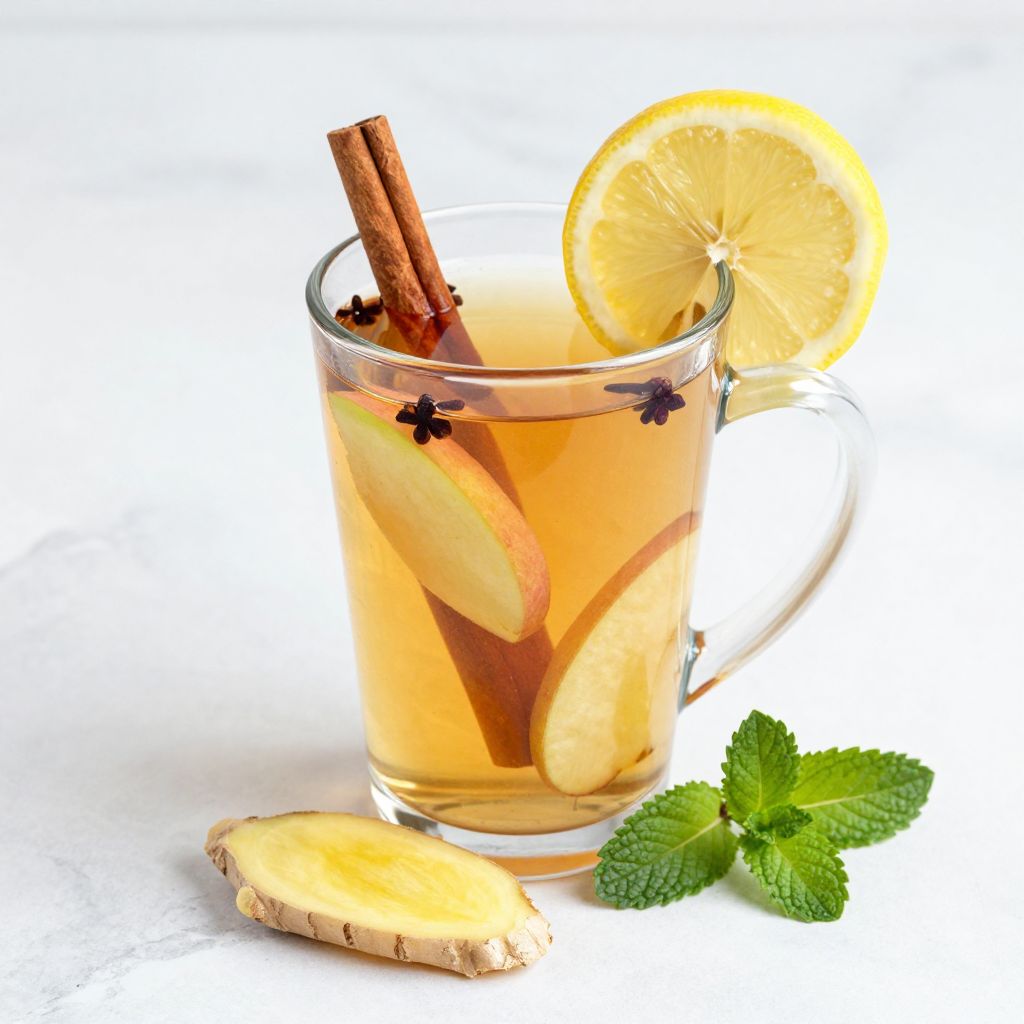
Apple Tea
Ingredients
Equipment
Method
- Wash your apples thoroughly under running water and pat them dry with a clean towel. Core and slice each apple into thin half-moons, leaving the skin on for extra fiber and nutrients.
- Pour six cups of fresh, cold water into your pot and set it on the stovetop over medium-high heat.
- Before the water boils, add your cinnamon stick and whole cloves directly to the cold water. Starting spices in cold water allows them to infuse gradually and release their oils evenly.
- While waiting for the water to heat, slice your fresh ginger into thin coins and cut your lemon into thin wheels.
- Watch the pot and let the water come to a gentle boil around the spices. Once you see bubbles actively breaking the surface, reduce the heat to medium so the water simmers rather than rolling boils.
- Carefully add your sliced apples and ginger to the simmering water, stirring gently with a wooden spoon.
- Let everything simmer together for about 10 minutes, stirring occasionally. You'll notice the water turning a pale golden color and the aroma becoming richer and more complex.
- Add your lemon slices and honey to the pot, stirring until the honey dissolves completely into the hot liquid.
- Continue simmering for another 3 to 5 minutes, tasting as you go to adjust sweetness and spice levels. Add a tiny pinch of sea salt right at the end.
- Pour the tea through a fine mesh strainer into your mugs, letting the liquid flow through while keeping back the solids. Serve immediately or let it cool slightly.