
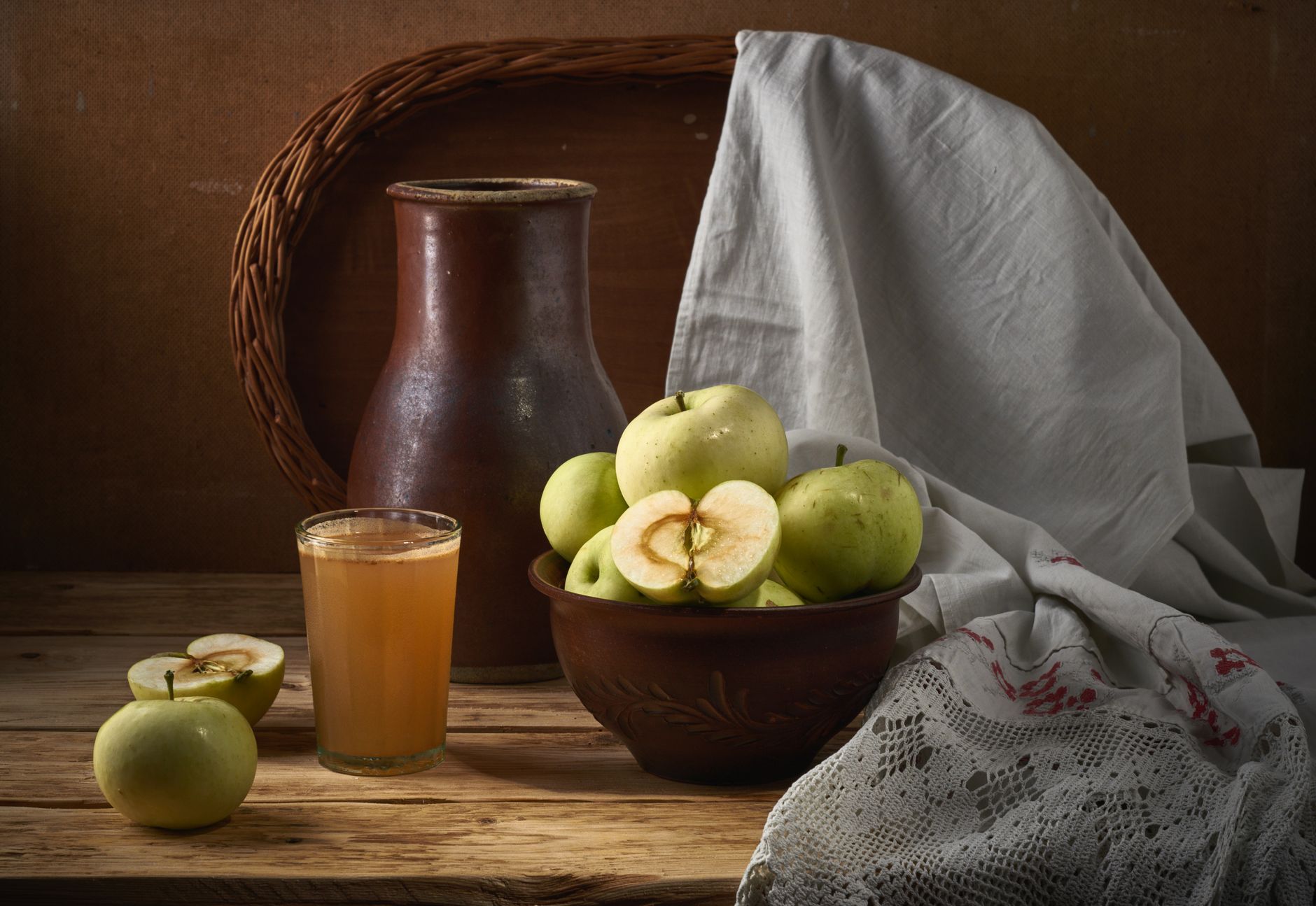
The question of whether cider is considered a beer often arises among beverage enthusiasts. Both drinks are fermented and share some common ingredients, yet they originate from different bases and undergo distinct production processes.
This article explores the characteristics of cider and beer, their respective ingredients, brewing methods, flavor profiles, and categorization within the world of fermented beverages. Understanding these nuances will help clarify why cider is not classified as beer, even though they might appear similar at first glance.
Is A Cider A Beer?
No, cider is not a beer. Cider is primarily made from fermented apple juice, while beer is brewed from grains, predominantly barley or wheat. Both drinks involve fermentation, but their base ingredients and brewing techniques differ significantly.
Understanding Cider: Ingredients and Production
Cider is made by pressing apples to extract their juice, which is then fermented. The process can be broken down into a few key steps:
- Selection of Apples: Different apple varieties contribute unique flavors to the final cider, with some being sweeter and others more tart.
- Pressing: The selected apples are crushed and pressed to release their juice.
- Fermentation: The juice is placed in fermentation vessels where yeast is added, allowing natural sugars to convert into alcohol.
- Filtration and Bottling: After fermentation, cider is filtered for clarity and then bottled or kegged, sometimes with added carbonation.
Types of Cider
Ciders vary based on the type of apples used, production methods, and additional flavorings. Some notable types include:
- Traditional Cider: Made from bittersweet apples, often unfiltered and naturally sparkling.
- Sweet Cider: Retains more of the natural sugars from the apple juice, resulting in a sweeter flavor.
- Hard Cider: Contains alcohol, produced through fermentation and often carbonated.
- Fruit Cider: Features additional fruit flavors, such as berries or spices.
Understanding Beer: Ingredients and Production
Beer’s production process revolves around brewing grains, typically barley or wheat, although other grains can also be used. Here’s a basic overview of beer production:
- Mashing: Grains are soaked in hot water, activating enzymes that convert starches into fermentable sugars.
- Boiling: The liquid, known as wort, is boiled, and hops are added to impart bitterness and aroma.
- Fermentation: Yeast is introduced to the cooled wort, fermenting the sugars into alcohol.
- Conditioning: Beer is conditioned to enhance flavor, after which it is filtered and carbonated before packaging.
Types of Beer
Beer can be categorized broadly into two types: ales and lagers. Each has numerous sub-styles:
- Ales: Fermented at warmer temperatures, ales generally have a robust flavor profile. Examples include pale ales, IPAs, stouts, and porters.
- Lagers: Brewed at cooler temperatures, lagers tend to be crisp and clean. Common varieties include pilsners, helles, and bocks.
Comparative Characteristics: Cider vs. Beer
Given their distinct bases and brewing processes, cider and beer possess different flavor profiles, aromas, and textural qualities. Understanding these characteristics helps illustrate why they are not interchangeable.
Flavor Profiles
If you take a sip of cider, you will often find a refreshing, fruity taste that varies widely based on the apple varieties used. Sweet ciders can taste honeyed and citrusy, while more bitter varieties often yield a dry finish.
In contrast, beer presents an array of flavors influenced by the types of grains and hops used. From malty sweetness to hoppy bitterness, beer offers a much broader spectrum of taste experiences.
Aromas
Ciders deliver aromas of fresh apples, floral notes, and sometimes hints of spice depending on additional flavorings. For example, a traditional cider may have a bouquet reminiscent of an orchard in bloom.
Beers can have complex aromas ranging from caramel and chocolate to pine or citrus, derived from the malt and hops. The fermentation process also creates esters and phenols that contribute to the aromatic profile.
Texture
Cider typically offers a light and refreshing mouthfeel, often slightly effervescent, depending on the carbonation level. It can range from still to sparkling based on production methods.
Beer textures vary widely as well, with some being heavy and full-bodied while others are lighter and crisper. The carbonation plays a significant role in the creamy or bubbly sensations experienced while drinking beer.
Alcohol Content: Cider vs. Beer
Alcohol by volume (ABV) differs between cider and beer due to their fermentation processes:
- Cider ABV: Ranges from about 4% to 8% for most commercial varieties, though certain craft ciders may reach higher levels.
- Beer ABV: This varies widely, typically ranging from 3% to 12% for most beers, with some craft styles exceeding these percentages.
Cider’s Place in Culture and Industry
Cider has a deep-rooted history, particularly in regions known for apple cultivation, such as France, England, and the United States. Its production dates back centuries and is often tied to agricultural practices and cultural traditions. The craft cider industry has witnessed a resurgence as consumers seek alternatives to beer and wine.
Cider is celebrated for its versatility; it can be enjoyed on its own or paired with food. Its refreshing nature makes it suitable for various occasions, from casual picnics to formal dining. Additionally, cider makers often experiment with different apple varieties and blending techniques to create unique flavor profiles.
Understanding the Craft Movement
In recent years, the rise of craft beverages has sparked increased interest in both craft beer and cider. Small-batch cideries are popping up alongside breweries, each offering unique creations and flavor experiences. This craft movement emphasizes quality, local ingredients, and innovative brewing techniques.
Many consumers appreciate cider’s artisanal nature and its ability to showcase regional apple varieties. As a result, cider houses often collaborate with local farmers to source the best apples, creating a strong sense of community and connection to the land.
Practical Tips for Enjoying Cider and Beer
Whether you are new to cider or an avid beer drinker, understanding the best practices for enjoying these beverages can enhance your experience:
- Glassware: Serve cider in a glass that promotes aroma, such as a stemmed glass or a tumbler. Beer is best served in appropriate glassware according to the style, like a pint glass for ales or a tulip glass for stronger brews.
- Temperature: Cider is typically best enjoyed chilled, between 45°F and 55°F (7°C – 13°C). Beers have varied serving temperatures; ales are best at slightly warmer temperatures than lagers.
- Tasting Notes: Take time to appreciate the flavors and aromas of both beverages. Swirl and then sniff before tasting to fully experience their profiles.
- Pairing: Cider pairs well with cheese, charcuterie, and grilled meats. Beer can complement a wide range of dishes, from burgers to spicy foods.
Experimenting with Recipes
For those interested in trying their hand at making cider or beer at home, recipes and kits are readily available. Cider recipes often involve simple methods that can be adapted for different flavors.
If you want to start brewing your own hard apple cider, check out the detailed guidance available at this hard apple cider recipe.
For those adventurous enough to explore further, consider exploring variations like cyser—a blend of cider and honey—by following the recipe found here.
Conclusion
Cider and beer, while both delicious and refreshing beverages, stem from different ingredients and production techniques. Understanding their distinctions helps appreciate the complexity and diversity of fermented drinks.
For those exploring the world of cider and beer, there’s always more to discover, from traditional recipes to modern craft variations, showcasing the artisanal nature of these beverages.
If you’re interested in expanding your beverage repertoire, check out our guides on hard apple cider and cyser recipes. Explore the art of fermentation and enjoy the wide range of flavors both cider and beer have to offer.