
There’s something utterly enchanting about the first whiff of lilac in spring, and making Lilac Wine captures that magic in a bottle. This homemade wine not only bursts with floral notes but also offers a unique twist that will surprise your friends at your next gathering.
With its delicate sweetness and refreshing finish, this wine is perfect for sipping on warm afternoons or pairing with light meals. The process is surprisingly simple, making it accessible to both novice and seasoned home winemakers alike.
Why You’ll Love This Recipe
Making Lilac Wine is a delightful experience that brings nature’s beauty right to your glass.
- Unique floral flavor that stands out.
- Perfect for spring and summer celebrations.
- A fun project that’s easy to share.
- Can be customized with different fruits or herbs.
- Impressive homemade gift for friends.
My Experience Making This Recipe
The first time I made Lilac Wine, I was amazed at how the kitchen filled with the intoxicating scent of lilacs. As I watched the flowers steep, I felt a sense of anticipation for the deliciousness to come.
When I finally tasted the finished product, the balance of sweetness and floral notes was simply delightful. Friends who tried it couldn’t believe I had made it at home!
Recipe Overview
- Recipe Name: Lilac Wine
- Servings: 12 servings
- Prep Time: 30 minutes
- Cook Time: 30 minutes
- Total Time: 6 weeks (including fermentation)
- Course: Beverage
- Cuisine: American
- Calories per Serving: 150
Equipment You Will Need
- Large pot
- Fermentation vessel (5-gallon carboy)
- Airlock and stopper
- Funnel
- Strainer
- Measuring cups and spoons
- Cheesecloth
- Bottles for storage
Ingredients for Lilac Wine
- 4 cups fresh lilac flowers (remove stems and leaves)
- 1 gallon water
- 2 cups granulated sugar
- 1 cup lemon juice (freshly squeezed)
- 1/4 teaspoon yeast (champagne or wine yeast)
Ingredient Notes and Substitutions
- Fresh lilac flowers: Used for their aromatic qualities and beautiful flavor. You can substitute with other edible flowers like hibiscus.
- Granulated sugar: Helps in fermentation and balances the wine’s flavor. Honey can be used for a different sweetness profile.
- Lemon juice: Provides acidity and brightness. Lime juice can also be a great substitute.
- Yeast: Fermentation agent for alcohol production. Bread yeast can work in a pinch but may alter the flavor.
How to Make Lilac Wine
Step 1: Prepare the Lilacs
Start by rinsing the fresh lilac flowers gently in cold water. This removes any dirt and ensures a clean flavor in your wine.
Step 2: Boil Water
Bring the gallon of water to a boil in a large pot. Boiling helps to extract the essential oils and flavors from the lilac flowers.
Step 3: Steep the Lilacs
Add the rinsed lilac flowers to the boiling water and let them steep for about 30 minutes. This process infuses the water with the stunning floral essence.
Step 4: Strain the Mixture
After steeping, strain the mixture through a cheesecloth into a clean bowl to remove the flowers. You want to keep the liquid, which will be the base of your wine.
Step 5: Mix in Sugar and Lemon Juice
Add the granulated sugar and lemon juice to the strained liquid while it is still warm. This helps the sugar dissolve completely, creating a smooth blend.
Step 6: Cool the Mixture
Allow the mixture to cool to room temperature. This step is essential so that the yeast doesn’t get shocked by the heat.
Step 7: Add Yeast
Once cooled, stir in the yeast. This is where the magic happens, as the yeast will begin fermentation, turning the mixture into wine.
Step 8: Ferment
Transfer the mixture to a fermentation vessel and seal it with an airlock. Place it in a cool, dark place for about four to six weeks. Patience is key here!
Pro Tip: Make sure to check the airlock periodically to ensure it is bubbling, which indicates active fermentation.
Tips for the Best Lilac Wine
- Use only organic lilacs to avoid any pesticides or chemicals. Your wine deserves the best!
- Experiment with adding fruits like strawberries or peaches for a unique twist.
- Ensure all your equipment is sanitized to prevent unwanted bacteria.
- Monitor fermentation temperatures; a stable, cool environment yields better results.
- Let the wine age for a few months after bottling for a more refined flavor.
Common Mistakes to Avoid
- Using wilted flowers can result in off-flavors. Always choose the freshest blooms.
- Skipping the cooling step can kill the yeast. Let it cool down first!
- Not measuring ingredients accurately can throw off the balance. Precision matters in winemaking.
- Rushing the fermentation process can lead to undesirable flavors. Give it time.
Serving Suggestions
Enjoying Lilac Wine is just as important as making it. Serve it chilled for the best experience.
- Pair with light salads or cheeses.
- Serve alongside fruit desserts, like tarts or sorbets.
- Enjoy as a refreshing aperitif on warm days.
- Mix into cocktails for a floral twist.
Variations to Try
- Add a cup of fresh raspberries during fermentation for a berry-floral combo.
- Incorporate mint leaves for a refreshing herbal note.
- Replace some lilacs with elderflowers for a different floral character.
- Experiment with different citrus juices like orange for a unique flavor.
Dietary Adaptations
- Gluten-free: This recipe is naturally gluten-free; just ensure the yeast is gluten-free.
- Dairy-free: No dairy is used, so it’s a safe choice for dairy-free diets.
- Vegan: Completely vegan-friendly, as no animal products are involved.
- Low-carb/keto: Reduce sugar for a keto-friendly version, but expect a drier wine.
Storage and Reheating
Refrigerator
Store opened bottles in the refrigerator to maintain freshness.
- Keep upright to minimize oxidation.
- Consume within a few weeks for the best flavor.
Freezer
Wine can be frozen in ice cube trays for future use in cocktails.
- Use within six months for optimal taste.
- Thaw in the refrigerator before using.
Reheating
Do not heat wine directly; instead, warm it gently in a water bath for warm cocktails.
- Avoid boiling as it alters the flavor.
- Serve warm with spices for a cozy drink.
Nutrition Information
| Nutrient | Amount |
|---|---|
| Calories | 150 |
| Total Fat | 0g |
| Saturated Fat | 0g |
| Carbohydrates | 37g |
| Fiber | 0g |
| Sugar | 30g |
| Protein | 0g |
| Sodium | 1mg |
| Cholesterol | 0mg |
This is an estimate and may vary based on specific ingredients used.
Frequently Asked Questions
Can I use dried lilac flowers instead of fresh?
While fresh flowers are preferred for their flavor, dried can be used in a pinch. Adjust the quantity as dried flowers are more concentrated.
How long does the fermentation process take?
Fermentation typically takes about four to six weeks. You will know it is done when bubbling slows significantly.
Can I make this wine ahead of time?
Yes! It actually improves with age, so making it a few months in advance is a great idea.
What should I do if my wine tastes too sweet?
If it tastes too sweet, consider letting it ferment longer to dry it out. Adjustments can be tricky after bottling.
What if I see sediment in my wine?
Some sediment is normal; it’s a sign of fermentation. Just pour carefully when serving to avoid it.
Final Thoughts
Making Lilac Wine is a beautiful way to celebrate the flavors of spring and create something truly special. With a few fresh ingredients and a little patience, you’ll have a delightful homemade wine that will impress everyone.
So why not give it a try? You might just find a new favorite in your homemade beverage repertoire. For more wine inspiration, check out this lilac wine recipe or explore other options in this homemade wine recipe.
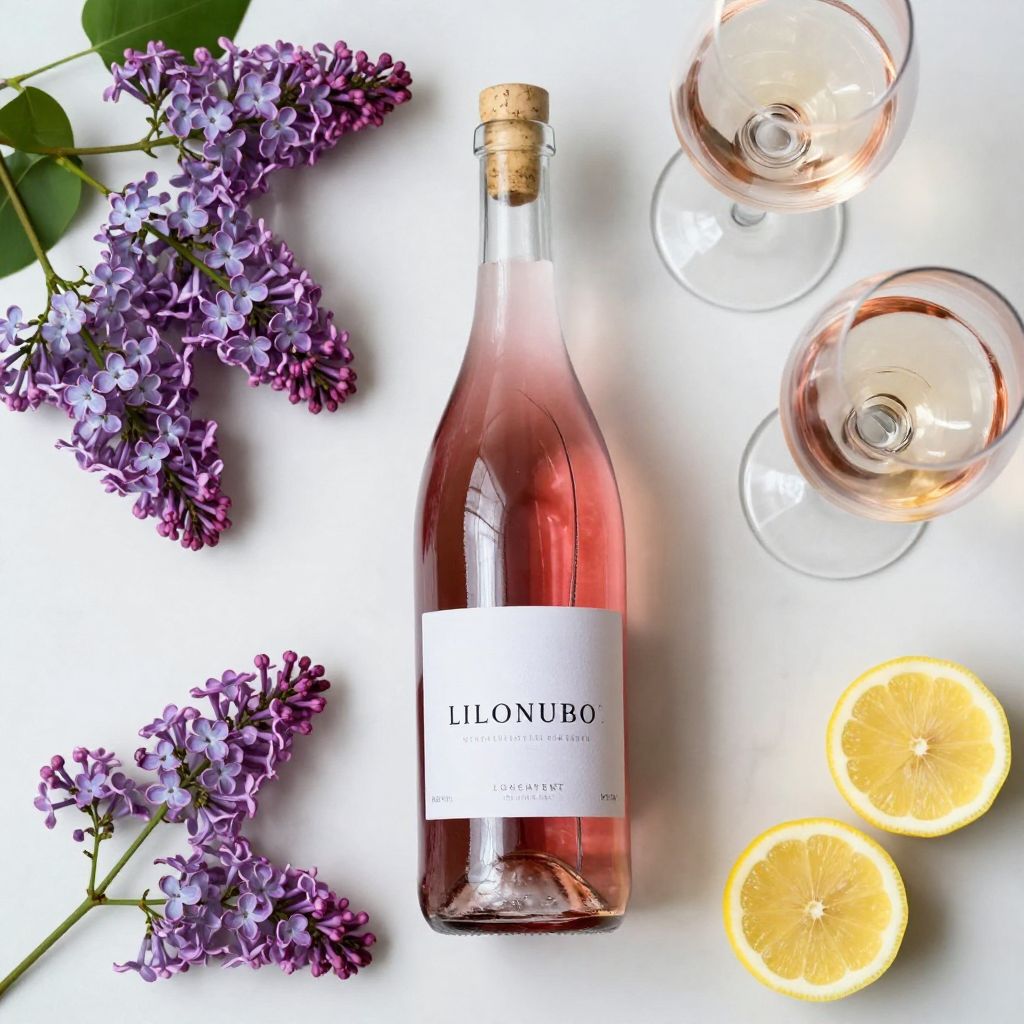
Lilac Wine
Ingredients
Equipment
Method
- Start by rinsing the fresh lilac flowers gently in cold water.
- Bring the gallon of water to a boil in a large pot.
- Add the rinsed lilac flowers to the boiling water and let them steep for about 30 minutes.
- Strain the mixture through a cheesecloth into a clean bowl to remove the flowers.
- Add the granulated sugar and lemon juice to the strained liquid while it is still warm.
- Allow the mixture to cool to room temperature.
- Once cooled, stir in the yeast.
- Transfer the mixture to a fermentation vessel and seal it with an airlock.
- Place it in a cool, dark place for about four to six weeks.