
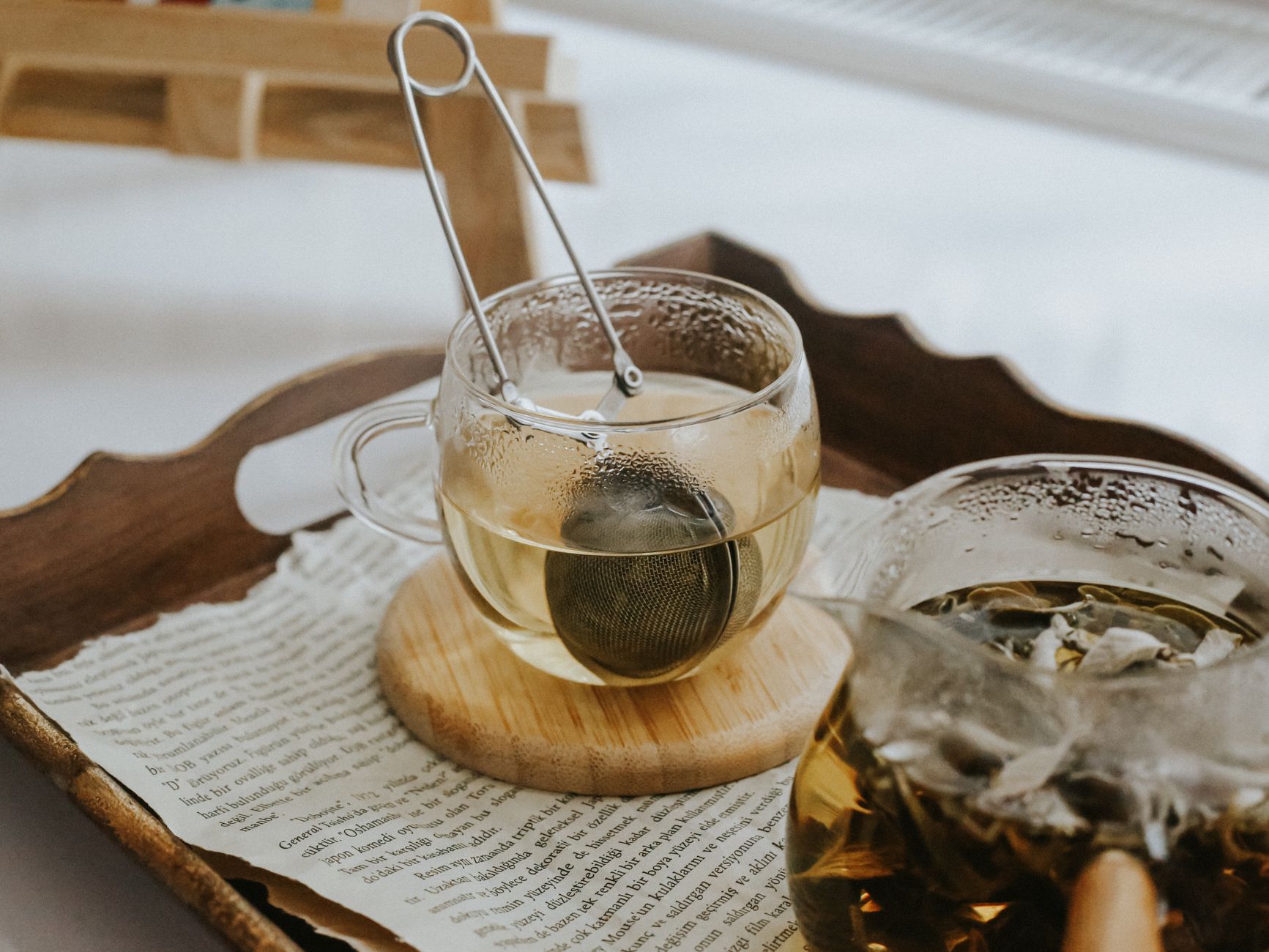
Intermittent fasting has gained immense popularity for its potential health benefits, including weight management and improved metabolic health. During fasting periods, many individuals wonder about suitable beverages, particularly herbal tea. This article addresses whether herbal tea breaks a fast and provides essential information for those looking to incorporate it during their fasting routine.
Herbal tea, unlike traditional teas derived from the Camellia sinensis plant, is made from a variety of dried herbs, flowers, and fruits. It often comes with different flavors and potential health benefits, which makes it a popular choice among tea drinkers. Let’s delve into the specifics of herbal tea and its role during fasting.
Does Herbal Tea Break A Fast?
In general, herbal tea does not break a fast, especially if it contains no added sugars or calories. The primary compounds in herbal tea—water and herbal extracts—are negligible in calories and do not provoke any significant metabolic response that would disrupt the fasting state. Therefore, drinking herbal tea can be a beneficial way to stay hydrated and curb hunger during fasting periods.
What is Fasting?
Fasting is the practice of abstaining from food and caloric beverages for a designated period. There are various methods of fasting, such as:
- Intermittent fasting (e.g., 16:8 or 5:2 methods)
- Religious fasting (e.g., Ramadan)
- Extended fasting (lasting over 24 hours)
During fasting, the goal is to allow the body to enter a state of ketosis, where it burns fat for energy instead of glucose. This can lead to various health benefits, including fat loss, improved insulin sensitivity, and cellular repair processes.
Herbal Tea and Fasting
Herbal tea is caffeine-free and can provide hydration and flavor without breaking your fast. However, there are nuances to consider when selecting herbal teas during fasting:
The Benefits of Herbal Tea during Fasting
- Hydration: Staying hydrated is crucial when fasting, and herbal teas contribute to your fluid intake without excess calories.
- Curbed Hunger: Certain herbal teas, like peppermint or ginger, can help suppress hunger pangs.
- Digestive Aid: Herbal teas such as chamomile and ginger can aid digestion and improve gut health.
- Antioxidants: Many herbal teas contain antioxidants, which can reduce inflammation and support overall health.
- Caffeine-Free: For those sensitive to caffeine, herbal tea offers an alternative without the jitters.
Types of Herbal Teas Suitable for Fasting
When choosing herbal teas for fasting, it’s essential to select those with no added sugar, sweeteners, or milk. Here are some popular options:
Chamomile Tea
Chamomile tea is known for its calming effects. It can help to soothe the stomach and assist with sleep, making it a great choice during fasting.
Peppermint Tea
Peppermint tea is refreshing and can help with digestion. It may also help in reducing appetite, making it suitable during fasting.
Rooibos Tea
Rooibos is naturally caffeine-free and rich in antioxidants. It is known for its slightly sweet flavor, which can be enjoyable during fasting.
Ginger Tea
Ginger tea can aid digestion and promote satiety. Its warming nature can also be comforting during fasting periods.
Hibiscus Tea
Hibiscus tea offers a tart flavor and is high in antioxidants. It can help regulate blood pressure and support metabolic health.
What to Avoid When Choosing Herbal Teas for Fasting
While many herbal teas are suitable for fasting, certain options may not align with your fasting goals. Here are some types to avoid:
- Sweetened Teas: Any herbal tea with added sweeteners or sugars can break your fast.
- Herbal Mixtures with Dairy: Avoid blends that contain dairy or creamers, as they add calories.
- Caloric-Based Herbal Teas: Some blends may contain added calories, so always check labels.
How to Brew Herbal Tea During a Fast
Brew herbal tea using simple methods to enjoy its flavors without affecting your fasting state:
Ingredients:
- Your choice of dried herbal tea (e.g., chamomile, peppermint, ginger)
- Hot water
- Optional: a slice of lemon or cinnamon stick for flavor (calorie-free if using in moderation)
Equipment:
- Kettle or pot for boiling water
- Teapot or mug
- Tea infuser (if using loose leaf)
Brewing Steps:
- Boil water in a kettle or pot until it reaches a rolling boil.
- Place the desired amount of herbal tea leaves or tea bags in a teapot or mug.
- Pour the hot water over the tea leaves or bags.
- Allow the tea to steep for 5-10 minutes, depending on your preference for strength.
- Remove the tea leaves or bags and enjoy your herbal tea while fasting.
Common Questions Regarding Herbal Tea and Fasting
Can You Drink Herbal Tea While Water Fasting?
During water fasting, which typically restricts all caloric intake, herbal tea can often be consumed as it has minimal or no calories. Ensure that the tea is plain and unsweetened.
What About Green Tea or Black Tea?
Green and black teas are also acceptable during fasting. They contain caffeine, which can slightly enhance metabolism and aid in hunger suppression, but they shouldn’t be mixed with milk or sugar. Herbal teas provide a caffeine-free alternative.
How Many Cups of Herbal Tea Can You Drink While Fasting?
You can generally consume as many cups of herbal tea as desired while fasting. However, be mindful of excessive consumption, which could lead to gastrointestinal discomfort due to certain herbal ingredients.
Common Mistakes While Drinking Herbal Tea During Fasting
- Adding Sweeteners: Avoid adding sugar, honey, or sweeteners to keep your fast intact.
- Overconsumption: Drinking too much tea can lead to dehydration if not balanced with adequate water intake.
- Not Checking Ingredients: Always read labels to be aware of any hidden calories in tea blends.
- Ignoring Herbal Properties: Some herbs can influence metabolism; know what you are consuming.
Practical Tips for Incorporating Herbal Tea into Your Fasting Routine
- Variety is Key: Explore different herbal teas to keep your routine interesting and your palate satisfied.
- Mind Your Timing: Consume herbal teas at intervals throughout your fasting window to help manage hunger.
- Hydration Focus: Balance herbal tea with water intake to maintain hydration levels.
- Monitor Reactions: Observe how your body reacts to different teas and adjust accordingly.
Conclusion
In summary, herbal tea does not break a fast and can be a delightful addition to your fasting routine. With a variety of flavors and beneficial properties, herbal teas can keep you hydrated, curb hunger, and offer a moment of relaxation. Experiment with different types to find your favorites while enjoying the fasting experience.
For those interested in recipes, consider trying a lymphatic drainage tea recipe or a refreshing peppermint tea recipe to elevate your herbal tea choices. Explore related recipes and nutritional tips as you enhance your cooking skills!