
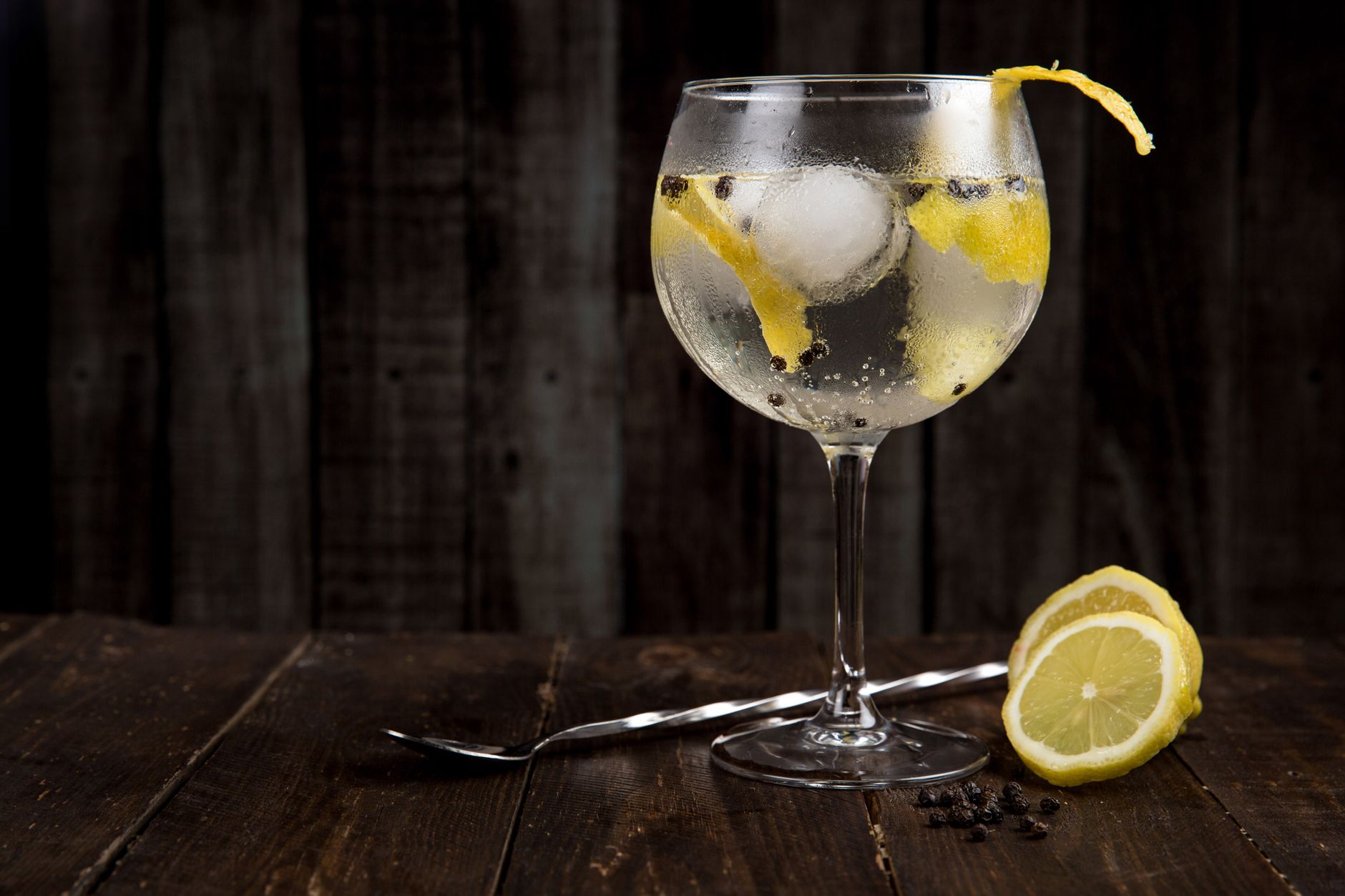
Gin is a beloved spirit known for its botanical flavors and versatility in cocktails. Understanding where gin originates from not only enriches your knowledge but also enhances your appreciation of this classic drink. In this article, we will explore the history, evolution, and regional variations of gin, providing you with key facts and practical tips along the way.
From its herbal roots to the modern gin renaissance, the story of gin is woven into the fabric of many cultures. Whether you are a cocktail enthusiast or merely curious, discovering the origins of gin offers insight into why this spirit has stood the test of time.
Where Does Gin Originate From?
Gin traditionally originates from the Low Countries, particularly the Netherlands and Belgium, where it first emerged in the 16th century. The spirit evolved from jenever, a Dutch distilled beverage flavored with juniper berries. Over the years, however, gin has taken on various forms, influenced by different countries and cultures.
A Brief History of Gin
The history of gin is complex and colorful, spanning centuries and continents. To better understand its origin, let’s look at its antecedents and how it transformed over time.
Jenever: The Precursor to Gin
Jenever, or genever, is the Dutch and Belgian spirit from which modern gin evolved. It dates back to the 16th century, when it was created as a medicinal tonic. Early recipes contained malt wine and were infused with botanicals, primarily juniper berries, which provided both flavor and health benefits.
The Gin Craze
The 18th century marked a significant turn in gin’s history, especially in England. As production methods improved, gin became increasingly popular, leading to the infamous “Gin Craze.” During this period, gin was inexpensive and widely consumed, leading to social issues, including crime and public disorder. The British government eventually intervened with the Gin Act of 1751 to curb excessive drinking.
Modern Gin and Its Revival
The late 20th century witnessed a gin revival, fueled by a growing appreciation for craft spirits and mixology. Distilleries around the world began to experiment with flavor profiles, leading to a wide variety of gin styles, including London dry gin, Plymouth gin, and contemporary craft gins infused with unusual botanicals.
Botanicals: The Heart of Gin
One of gin’s defining characteristics is its infusion of botanicals—herbs, spices, and other flavoring agents. While juniper is the principal botanical in all gins, each distillery adds its unique combination of additional ingredients, leading to diverse flavor profiles.
Common Botanicals in Gin
- Juniper Berries: The essential flavoring ingredient that gives gin its signature taste.
- Coriander: Adds citrusy and spicy notes.
- Angelica Root: Contributes earthiness and helps anchor other flavors.
- Citrus Peel: Used to impart brightness and acidity.
- Cardamom: Introduces a warm, spicy character.
- Lavender: Adds floral undertones.
- Fennel: Provides sweet and herbal notes.
Regional Variations of Gin
As gin spread globally, various countries developed their interpretations of this beloved spirit. Here are some noteworthy regional variations:
London Dry Gin
London dry gin is perhaps the most recognized style of gin today. It is characterized by a dry flavor profile, high proof, and the absence of added sweeteners. This classic gin is essential for cocktails like the Martini and Gin and Tonic.
Plymouth Gin
Exclusive to the city of Plymouth in England, Plymouth gin is slightly sweeter than London dry gin and boasts a distinctive flavor profile due to its unique blend of botanicals. It is often described as having a smooth, fruity character and is a popular choice for cocktails.
Old Tom Gin
Old Tom gin is a sweeter style of gin that was popular in the 18th century. It underwent a resurgence in recent years and is known for its rich, malty flavor, making it an excellent choice for traditional cocktails like the Tom Collins.
Geneva
Gentler in flavor than its modern counterparts, Geneva is a Dutch variation of gin that retains a malt forward taste, similar to its jenever roots. This spirit can be enjoyed neat, on the rocks, or in cocktails.
Craft Gin
The craft gin movement has exploded in recent years, with distilleries worldwide producing unique and innovative gins. Many craft gins incorporate interesting botanicals, sometimes sourced locally, which set them apart from traditional gins.
How Gin is Made
Understanding how gin is produced provides insight into its flavor and texture. Although different distilleries might have unique methods, there are general steps involved in gin production:
The Distillation Process
- Preparation of the Base Spirit: The process starts with a neutral grain spirit, which can be derived from barley, corn, rye, or other grains.
- Infusion of Botanicals: Botanicals, primarily juniper berries, are added to the base spirit. This can happen through steeping, vapor infusion, or a combination of both methods.
- Distillation: The mixture is distilled in a pot still or column still. This step captures the flavors and aromas while removing impurities.
- Bottling and Aging: After distillation, the gin may be diluted with water to achieve the desired proof before bottling. Certain gins can also undergo a brief aging process to deepen their flavors.
How to Enjoy Gin
Gin is incredibly versatile and can be enjoyed in various forms. Here are popular ways to enjoy this spirit:
Cocktails
Gin forms the base for many classic cocktails. Some of the most popular include:
- Martini: A timeless cocktail made with gin and dry vermouth, garnished with an olive or lemon twist.
- Negroni: A bitter-sweet drink made with gin, Campari, and sweet vermouth.
- Tom Collins: A refreshing blend of gin, lemon juice, sugar, and soda water.
- Gin Fizz: A bubbly cocktail made with gin, lemon juice, sugar, and soda water, shaken and served frothy.
Neat or on the Rocks
Many gin enthusiasts enjoy their spirit neat or on the rocks to fully appreciate its complexity and flavor. For a refreshing twist, try adding a splash of tonic water or club soda.
Food Pairings
Gin pairs beautifully with various foods, making it great for social gatherings. Consider pairing gin with dishes such as:
- Seafood: Gin complements the subtle flavors of seafood, such as oysters or grilled fish.
- Cheese: Try pairing gin with cheeses like aged Gouda, feta, or creamy brie.
- Salads: Fresh leafy salads topped with citrus vinaigrette and grilled meats work well with gin cocktails.
Tips for Choosing and Storing Gin
When selecting a gin, consider the following tips to help you make the best decision:
Choosing Quality Gin
- Brand Reputation: Research gin brands and their distillation practices. Small-batch and craft distilleries often produce unique and high-quality gins.
- Taste Testing: If possible, try a sampler or take note of recommendations from bartenders or gin aficionados.
- Flavor Profiles: Explore different styles of gin to find what flavors resonate with your palate.
Storing Gin
Proper storage of gin is crucial to maintain its quality:
- Keep it Cool: Store gin in a cool, dark place away from direct sunlight.
- Airtight Sealing: Ensure the bottle is tightly sealed to prevent evaporation and oxidation.
- Use Within Reason: Although gin does not spoil, its flavors may degrade over time, so use it within a couple of years for the best experience.
Common Mistakes to Avoid
Like any spirit, there are some common pitfalls to avoid when enjoying or mixing gin:
- Overcomplicating Cocktails: Gin’s diverse flavors can be easily masked with too many ingredients. Keep cocktails simple to highlight the gin.
- Using Poor Quality Mixers: Low-quality tonic can detract from your gin’s flavor. Opt for premium mixers for the best experience.
- Neglecting to Explore Varieties: Don’t limit yourself to one type of gin; explore different styles to broaden your understanding and enjoyment of this spirit.
Making Gin Cocktails at Home
For those interested in crafting cocktails at home, starting with classic recipes is a great way to hone your skills. Here are two popular gin cocktail recipes to consider:
Gin and Juice Recipe
This vibrant cocktail combines gin with fruity juice for a deliciously refreshing drink. Perfect for a summer evening or brunch.
- Ingredients:
- 2 oz gin
- 4 oz orange juice (or juice of your choice)
- Ice
- Orange slice for garnish
- Fill a cocktail shaker with ice.
- Add the gin and juice to the shaker.
- Shake well and strain into a glass filled with ice.
- Garnish with an orange slice and enjoy.
Gin Fizz Recipe
The gin fizz is a classic cocktail that’s light, airy, and refreshing.
- Ingredients:
- 2 oz gin
- 1 oz lemon juice
- 1 oz simple syrup
- Club soda
- Ice
- In a cocktail shaker, combine the gin, lemon juice, and simple syrup with ice.
- Shake vigorously for about 15 seconds.
- Strain into a chilled glass and top with club soda.
- Serve immediately and enjoy the fizz!
Crafting your own cocktails not only provides personal satisfaction but also impresses guests at gatherings.
Final Thoughts
Gin’s rich history and diverse flavors make it a fascinating spirit worth exploring. From its origins in the Low Countries to the craft gin renaissance today, there is much to discover. Whether you enjoy gin neat, with tonic, or in cocktails, its versatility offers endless possibilities for both enjoyment and recipe experimentation.
Ready to make some memorable drinks? Check out our recipe for Gin and Juice or try the refreshing Gin Fizz! Delve deeper into the world of cocktails and continue your exploration of food and drink.