
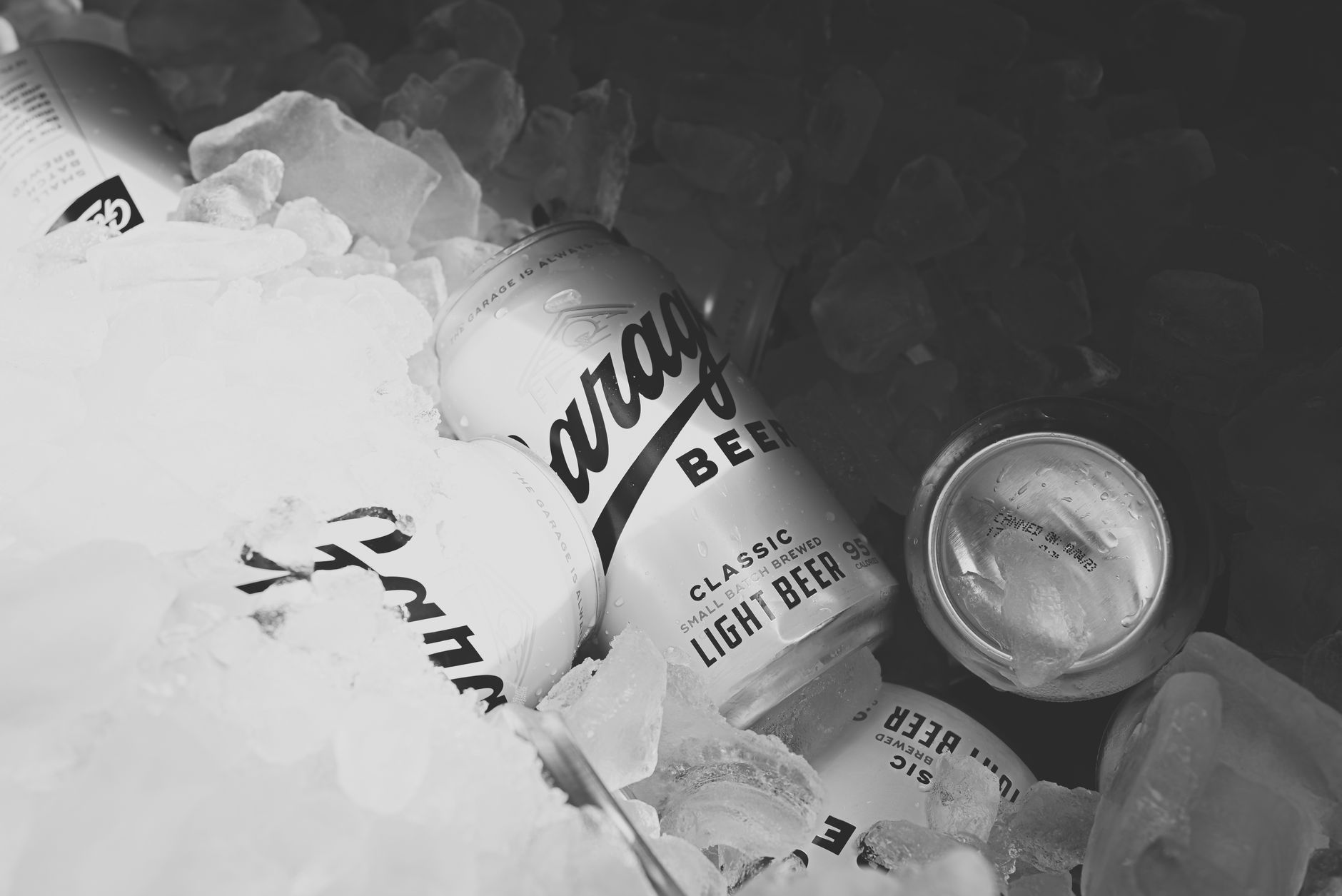
Non-alcoholic beer has gained popularity as a refreshing beverage option for those looking to enjoy the taste of beer without the effects of alcohol. However, many individuals wonder about its impact on weight gain.
Understanding whether non-alcoholic beer makes you fat involves examining its ingredients, calories, and how it fits into your overall diet.
Does Non Alcoholic Beer Make You Fat?
Non-alcoholic beer can contribute to weight gain if consumed in excess, primarily due to the calories it contains. However, it is generally lower in calories than traditional beer, making it a suitable alternative for those looking to reduce their calorie intake.
Understanding Non-Alcoholic Beer
Non-alcoholic beer, also known as NA beer, is produced similarly to regular beer, with the primary difference being the alcohol content. It typically contains less than 0.5% alcohol by volume. There are two main methods for producing non-alcoholic beer:
- Fermentation: This method involves brewing beer like regular beer but removing the alcohol later through various techniques like heat evaporation or vacuum distillation.
- Limit Fermentation: In this method, fermentation is halted before the alcohol level becomes significant, allowing for a naturally low-alcohol beer.
Caloric Content of Non-Alcoholic Beer
The caloric content in non-alcoholic beer varies broadly depending on the brand and ingredients used. Typically, a standard 12-ounce serving of non-alcoholic beer contains about 50 to 150 calories. In contrast, regular beer can range from 150 to over 300 calories for the same serving size.
Many non-alcoholic beers are designed to be lighter and somewhat healthier options, which can be beneficial for those monitoring their daily calorie intake. Still, moderation is key.
Caloric Breakdown of Non-Alcoholic Beer
To understand how non-alcoholic beer might affect your weight, it’s essential to look at its caloric breakdown:
- Carbohydrates: Non-alcoholic beers generally contain around 10 to 20 grams of carbohydrates per serving. These carbohydrates add to the overall calorie count.
- Protein: The protein content in non-alcoholic beer is relatively low, usually ranging from 0.5 to 1 gram per serving.
- Fats: Most non-alcoholic beers contain negligible amounts of fat.
Comparing Non-Alcoholic Beer and Regular Beer
When comparing non-alcoholic beer to regular beer, the primary differentiators are calories and alcohol content. Regular beer tends to have significantly more calories due to the higher sugar and alcohol content:
| Type of Beer | Average Calories (12 ounces) | Alcohol Content |
|———————|——————————|———————|
| Regular Beer | 150 – 300 | 4% – 6% ABV |
| Non-Alcoholic Beer | 50 – 150 | Less than 0.5% ABV |
How Non-Alcoholic Beer Fits into a Balanced Diet
Incorporating non-alcoholic beer into your diet can be done healthily if you pay attention to portion sizes and total caloric intake. It can serve as a satisfying beverage alternative without the intoxicating effects of alcohol, making it ideal for social situations or relaxing at home. Here are some considerations:
- Moderation is Key: Just because it’s non-alcoholic doesn’t mean you can consume it in unlimited quantities. Track how much you drink and integrate it into your daily caloric limits.
- Complement with Healthy Choices: Pair non-alcoholic beer with healthy meals. Choosing nutrient-dense foods can help offset the calories from beverages.
- Be Mindful of Extra Ingredients: Some non-alcoholic beers may have added sugars or flavorings that increase their calorie content. Opt for those with minimal additives when possible.
Can Non-Alcoholic Beer Lead to Weight Gain?
Weight gain occurs when you consume more calories than your body burns. If non-alcoholic beer is part of an overall high-calorie diet, it can contribute to weight gain. Here are some factors to consider:
- Caloric Surplus: Consuming multiple servings of non-alcoholic beer in addition to regular meals can lead to a caloric surplus, potentially leading to weight gain.
- Caloric Compensation: Sometimes, individuals may underestimate their calorie intake and eat more due to the perception that non-alcoholic beer is “healthier.”
- Alcohol Triggers: For some people, drinking non-alcoholic beer may trigger cravings for regular beer or other high-calorie foods and drinks.
Health Benefits of Non-Alcoholic Beer
While moderation is essential, non-alcoholic beer has been associated with several potential health benefits as well:
- Hydration: Non-alcoholic beer can contribute to hydration due to its high water content.
- Vitamins and Minerals: Some non-alcoholic beers contain vitamins like B6 and B12, as well as minerals such as potassium.
- Lower Blood Pressure: Some studies suggest that traditional beer in moderation may help lower blood pressure, and some of these benefits may translate to non-alcoholic versions.
Choosing the Right Non-Alcoholic Beer
With many non-alcoholic options available, picking the right one can be overwhelming. Consider the following tips:
- Read Labels: Take a close look at the nutrition labels to assess calorie and carbohydrate content.
- Ingredients Matter: Choose brands with natural ingredients and minimal additives.
- Flavor Profile: Experiment with styles (e.g., lagers, IPAs, stouts) to find the flavors you enjoy most.
Practical Serving Suggestions
Enhancing your enjoyment of non-alcoholic beer can involve various serving suggestions:
- Chilled Glass: Serving your non-alcoholic beer in a chilled glass enhances the drinking experience.
- Food Pairings: Non-alcoholic beer can pair well with a wide variety of foods, echoing the traditional beer pairing guidelines.
- Creative Cocktails: Consider using non-alcoholic beer as a base for fun mocktails, like a beer mojito or beer margarita, by combining it with fresh fruit juices and herbs.
Common Concerns and Misconceptions
As with any food or beverage, there are common concerns and misconceptions worth addressing:
- Non-Alcoholic = No Calories: Many individuals equate non-alcoholic beer with zero calories; it’s essential to remember that while lower, they can still add up.
- Healthier Alternative: While lower in calories, non-alcoholic beers are not devoid of calories and should be consumed mindfully.
- Triggers for Alcohol Consumption: For those in recovery, non-alcoholic beer could serve as a trigger. It’s vital to assess your relationship with alcohol before consuming.
Integrating Non-Alcoholic Beer into Your Lifestyle
Incorporating non-alcoholic beer into a balanced lifestyle can be rewarding. Here are practical tips on doing so:
- Occasional Treat: Consider treating non-alcoholic beer as an occasional indulgence, similar to dessert.
- Active Lifestyle: If you enjoy physical activities, consider consuming non-alcoholic beer post-workout to replenish fluids.
- Social Events: Bring non-alcoholic beer to gatherings to enjoy a familiar flavor without worrying about consumption limits.
Summary
Non-alcoholic beer typically contains fewer calories than regular beer, making it less likely to contribute to weight gain if consumed in moderation. As with any calorie-containing beverage, total daily intake and lifestyle choices play crucial roles in weight management.
By selecting high-quality options and being mindful of consumption, you can enjoy non-alcoholic beer without the worry of unwanted weight gain.
For those interested in exploring non-alcoholic recipes, consider trying a non-alcoholic old-fashioned or a non-alcoholic piña colada for refreshing alternatives that add flavor without alcohol.