
Organic coconut water has gained significant popularity in recent years, known for its refreshing taste and natural hydration properties. Not only does it taste great, but it also comes packed with nutrients that can be beneficial for health. However, many consumers are left wondering if organic coconut water is truly good for them.
This article explores the health benefits, nutritional profile, and practical uses of organic coconut water, enabling you to make informed choices about incorporating it into your diet.
Is Organic Coconut Water Good For You?
Yes, organic coconut water is generally good for you. It is low in calories, high in electrolytes, and provides essential nutrients. Many health enthusiasts consider it a natural alternative to sports drinks, particularly for hydration and replenishing electrolytes. However, moderation is key due to its natural sugar content.
What is Organic Coconut Water?
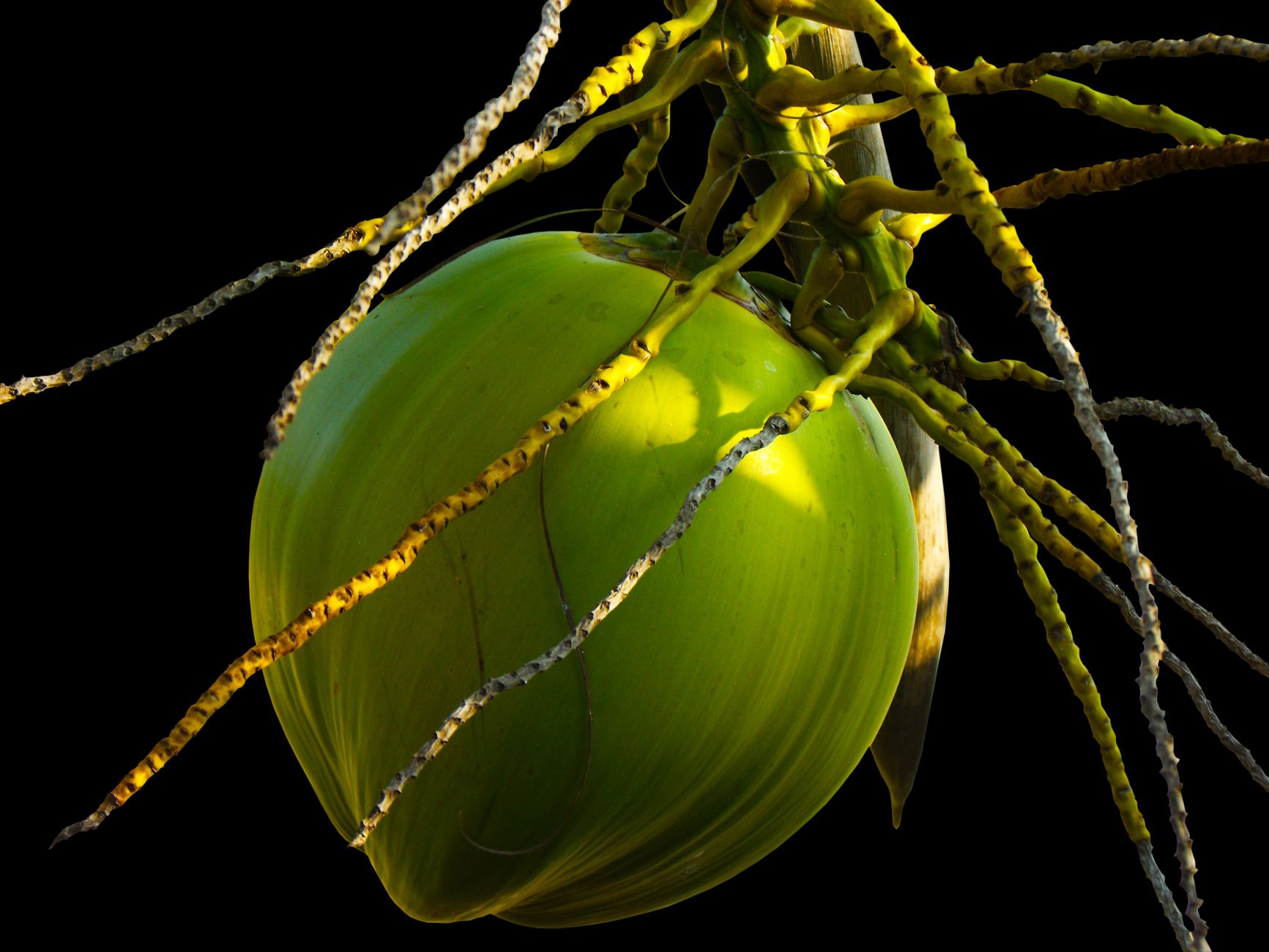
Organic coconut water is the clear liquid extracted from young green coconuts before they mature into coconut meat. Unlike coconut milk, which is derived from the flesh of mature coconuts, coconut water is naturally low in fat and calories. It contains a variety of electrolytes, making it an excellent hydration option.
Health Benefits of Organic Coconut Water
Organic coconut water offers several potential health benefits, making it a popular beverage choice. Here are some of the notable benefits:
- Hydration: Coconut water is an excellent source of hydration due to its high water content (about 94%) and electrolyte balance, including potassium, sodium, and magnesium. It makes a perfect option for athletes or anyone needing to rehydrate after exercise.
- Electrolyte Balance: The electrolyte content in coconut water can help restore balance in the body, especially after sweating, illness, or intense physical activity. This makes it a natural choice for replenishing lost electrolytes.
- Nutrient-Rich: Coconut water is low in calories yet contains essential nutrients such as vitamin C, B vitamins, and antioxidants. These nutrients contribute beneficially to overall health.
- Heart Health: Regular consumption of coconut water may contribute to improved heart health due to its potassium content, which helps in regulating blood pressure. High potassium intake is associated with a reduced risk of cardiovascular diseases.
- Weight Management: With minimal calories and natural sweetness, coconut water can serve as a satisfying low-calorie drink alternative to sugary beverages. Its hydration properties may also help support weight loss when included as part of a balanced diet.
- Antioxidant Properties: Some studies suggest that coconut water possesses antioxidant properties that can help combat oxidative stress in the body and reduce inflammation.
Nutritional Profile of Organic Coconut Water
Understanding the nutritional content can help you decide how organic coconut water fits into your dietary needs. Here is an approximate nutritional breakdown of one cup (240 ml) of organic coconut water:
| Nutrient | Amount |
|---|---|
| Calories | 46 |
| Protein | 0.5 g |
| Fat | 0.5 g |
| Carbohydrates | 9 g |
| Fiber | 3 g |
| Sugar | 6 g |
| Potassium | 600 mg |
| Magnesium | 60 mg |
| Sodium | 250 mg |
| Calcium | 40 mg |
| Vitamin C | 5 mg |
How to Choose Quality Organic Coconut Water
When purchasing organic coconut water, consider the following tips to ensure you’re getting a high-quality product:
- Check the Label: Look for products labeled as “100% organic coconut water” with no added sugars, preservatives, or artificial flavors.
- Packaging: Choose coconut water packaged in BPA-free containers or cartons, as this helps preserve the flavor and nutritional quality.
- Short Ingredients List: Ideally, the ingredients list should be simple—only coconut water and possibly vitamin C as a preservative.
- Brand Reputation: Opt for reputable brands that prioritize sustainability and ethical sourcing.
Practical Uses for Organic Coconut Water
Incorporating organic coconut water into your daily routine is easy. Here are some practical ways to use it:
- Hydration Boost: Drink it straight from the carton or chilled in a glass for a refreshing hydration boost.
- Post-Workout Recovery: Use coconut water as a natural electrolyte drink after exercising to help with recovery.
- Smoothies: Use coconut water as a base for smoothies instead of juice or milk for a lighter, more hydrating option.
- Cooking and Baking: Replace water or stock with coconut water in recipes for rice or quinoa for a hint of sweetness.
- Mocktails and Cocktails: Coconut water can be used in cocktails or mocktails, adding flavor while keeping the drink lighter and more refreshing.
Common Misconceptions About Coconut Water
As with any popular health product, a few misconceptions can lead to confusion. Here are some clarifications:
- Coconut Water is Just Like Sports Drinks: While both hydrate, coconut water contains fewer calories and sugar compared to traditional sports drinks, making it a healthier alternative for most people.
- All Coconut Water is Created Equal: Not all coconut waters are nutritionally identical; processing methods, packaging, and additives can affect quality.
- It Can Replace All Hydration Needs: Coconut water is an excellent hydrating drink, but it should not be the sole option for hydration. Drink plenty of water as well.
Potential Downsides of Coconut Water
While there are many benefits, it’s essential to consider potential downsides as well:
- Natural Sugar Content: Unlike plain water, coconut water contains natural sugars. If consumed excessively, it can contribute to increased caloric intake.
- Sodium Levels: Coconut water has a moderate sodium content, adequate for hydration but a consideration for those on low-sodium diets.
- Limited Nutritional Value for Some People: While coconut water is a good source of hydration and some nutrients, it may not provide enough vitamins and minerals for individuals with specific dietary needs.
Common Mistakes When Consuming Coconut Water
To get the most out of your organic coconut water, avoid these common mistakes:
- Not Reading Labels: Always check for additives and ensure your coconut water is free from added sugars and preservatives.
- Overconsumption: Drinking coconut water in moderation is key. Consider limiting to 1 cup per day to manage calorie and sugar intake.
- Using it as a Meal Replacement: Coconut water should not be relied upon as a meal replacement, as it lacks sufficient calorie content and macronutrients.
Storage and Shelf Life of Coconut Water
If you have opened a carton of coconut water, here’s how to store it:
- Refrigerate: Once opened, store coconut water in the refrigerator and consume within 3-5 days for optimal taste and safety.
- Check Expiration Dates: Unopened coconut water can generally be found on shelves with a shelf life of 12-24 months. Always check the expiration date before consuming.
- Avoid Freezing: While some people may choose to freeze coconut water, it can alter the texture, leading to separation upon thawing.
Recipe Ideas Using Coconut Water
Here are a couple of easy and delicious ways to enjoy organic coconut water:
Coconut Water Smoothie
This refreshing smoothie combines coconut water with fruits for a nutritious breakfast or snack.
- Ingredients:
- 1 cup organic coconut water
- 1 banana
- 1/2 cup pineapple chunks (fresh or frozen)
- 1/2 cup spinach (optional)
- In a blender, combine all ingredients.
- Blend until smooth and creamy.
- Pour into a glass and enjoy!
Coconut Water Refresher
This simple and invigorating drink mixes coconut water with refreshing herbal elements.
- Ingredients:
- 1 cup organic coconut water
- 1/2 lime, juiced
- Fresh mint leaves
- Ice cubes
- In a glass, combine coconut water, lime juice, and mint leaves.
- Add ice cubes and stir gently.
- Garnish with a mint sprig if desired and serve cold.
Conclusion
Organic coconut water is a beneficial beverage that offers excellent hydration and a host of nutrients. While it is generally good for most people, moderation is essential to maximize its benefits without excess sugar intake. For those looking for a natural, refreshing drink, consider incorporating coconut water into your routine.
Explore related recipes, cooking tips, or food guides, such as a refreshing coconut margarita recipe and a delicious coconut coffee recipe for even more ways to enjoy coconut in your culinary adventures.