
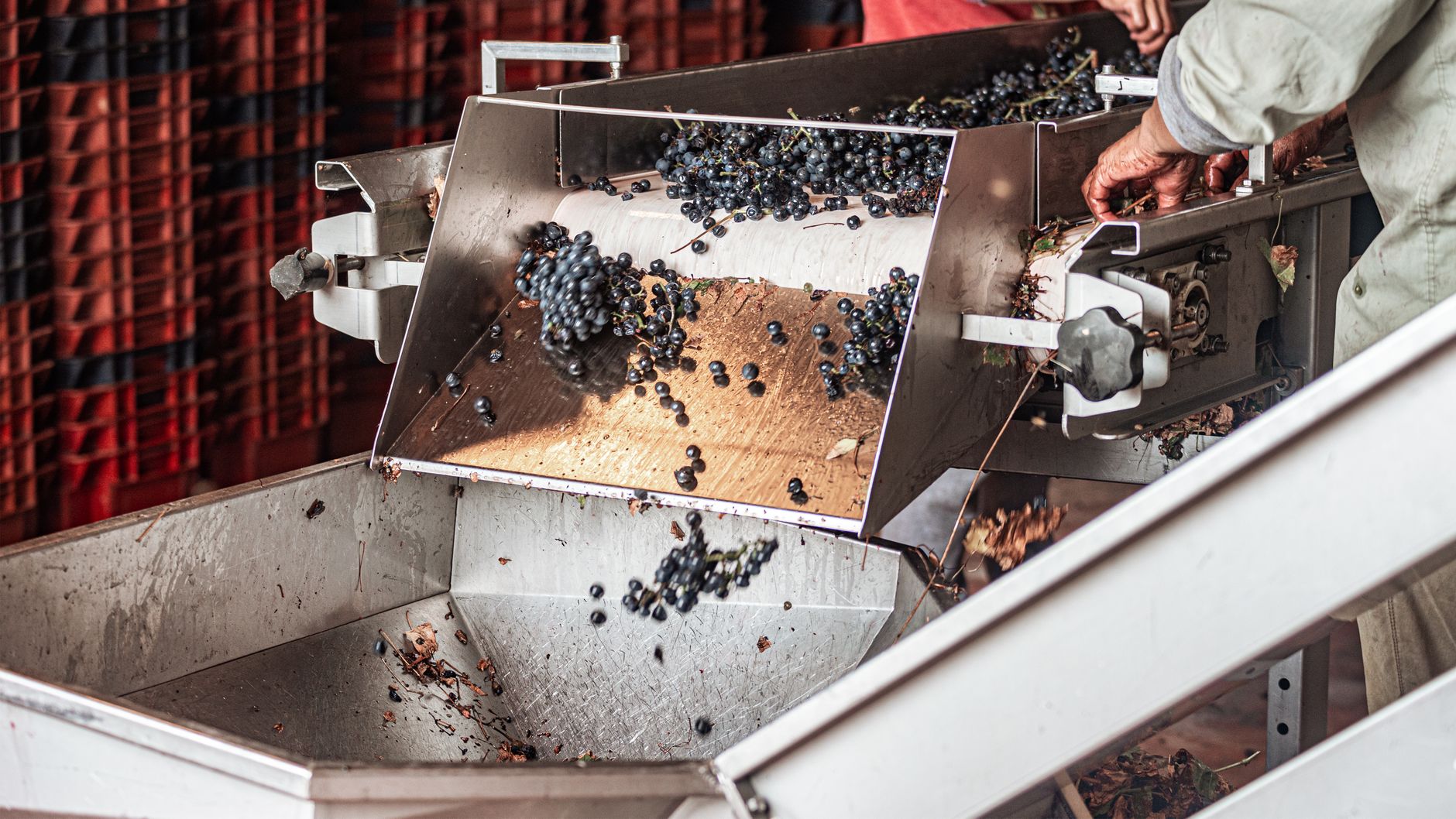
Making wine at home can be an enjoyable and rewarding experience. With some basic equipment and a bit of patience, you can craft your own wine tailored to your tastes. This guide provides a comprehensive overview of the wine-making process, from selecting ingredients to bottling your finished product.
Whether you’re curious about fermentation or simply wish to create a unique drink for your next gathering, understanding how to make wine opens up a world of possibilities. Below, you’ll find detailed instructions, tips, and everything you need to successfully embark on your winemaking journey.
How To Make Wine?
To make wine, you start with high-quality grapes or juice, sugar, and yeast. The process involves crushing the grapes, fermenting the mixture, aging the wine, and finally bottling it. Each step is crucial for developing the wine’s flavor and character.
Essential Equipment for Winemaking
Before diving into the winemaking process, gather the necessary equipment to ensure you have everything on hand.
- Primary Fermenter: A food-grade bucket or carboy with an airlock.
- Hydrometer: To measure sugar levels and check fermentation progress.
- Siphon: To transfer wine from one vessel to another without stirring up sediment.
- Bottles: Clean, sterilized wine bottles for storage.
- Caps and Corks: For sealing your bottles.
- Stirring Spoon: A long spoon for mixing ingredients.
- Thermometer: To monitor the fermentation temperature.
- Cleaning Supplies: Sanitizer and scrub brushes for cleaning equipment.
Ingredients
Choosing the right ingredients is crucial for producing quality wine. Here’s what you’ll need:
- Fresh Grapes or Grape Juice: About 20 lbs of grapes will yield around 5 gallons of wine. Use ripe, high-quality grapes for the best flavor.
- Sugar: Depending on the sweetness of your grapes and your taste preference, additional sugar may be needed. Use anywhere from 2 to 5 lbs.
- Yeast: Wine yeast packs are widely available. Look for a variety suitable for the type of wine you wish to make.
- Water: If using grape juice, you may want to dilute it slightly with water.
- Optional Ingredients: Spices, herbs, or additional fruits for flavoring. Examples include cinnamon for spiced wine or berries for fruit-forward flavors.
The Winemaking Process
Making wine involves several key steps, detailed below. Each step requires careful attention to ensure the best possible outcome.
Step 1: Preparing Your Ingredients
- Harvest or Source Grapes: If using fresh grapes, wash them thoroughly. Remove any stems or leaves.
- Crushing and Pressing: Crush the grapes in a clean bucket or press to extract juice. If you’re using juice, ensure it’s 100% pure grape juice without additives.
- Measure Sugar and Acid Levels: Use a hydrometer to check the initial sugar levels. If the juice is not sweet enough, you can add sugar to reach your desired level—generally around 22-24 Brix for wine.
Step 2: Fermentation
- Active Yeast Addition: Sprinkle wine yeast over the top of the grape juice or mixture. Do not stir right away; let it sit for about 15 minutes to activate the yeast.
- Stirring: After the yeast has activated, gently stir the mixture. This helps to incorporate the yeast into the must (the mixture of juice, skins, seeds, and stems).
- Cover and Store: Place the must in your primary fermenter and cover it with a cloth to allow airflow while preventing contaminants. Store in a cool, dark place (around 65-75°F or 18-24°C).
- Monitor Fermentation: Check your mixture daily. You should see bubbling and foam as fermentation progresses. Fermentation usually lasts about 7-14 days.
Step 3: Racking (Transfer)
- Siphoning: Once fermentation slows, it’s time to siphon the wine into a new, clean carboy, leaving the sediment behind. Aim to keep the siphon above the sediment layer.
- Seal and Age: Attach an airlock to the carboy. This allows gases to escape while keeping air out, reducing oxidation. Store the carboy in a cool, dark place.
Step 4: Maturation
The aging process enhances flavor complexity. Depending on the type of wine, aging can take anywhere from a few months to several years. Regularly taste the wine to monitor its development.
Step 5: Bottling
- Siphon Again: After aging, siphon the wine into clean bottles, leaving a small amount of space at the top.
- Cork: Seal each bottle with a cork. Be sure to use proper corking techniques to prevent air from entering the bottle.
Common Mistakes and Troubleshooting
Winemaking requires patience and precision. Here are some common mistakes along with tips on how to avoid them:
- Not Sanitizing: Always clean and sanitize equipment to prevent contamination. A clean space is vital for successful fermentation.
- Ignoring Temperature: Fermentation temperature affects yeast activity. Keep it within the recommended range for your yeast strain.
- Overbottling: Leaving too little space in your bottles can lead to overflowing or cork failure. Always follow recommended filling guidelines.
- Tasting Too Early: Be patient! Wine improves with age; premature tasting can affect your judgment about when it’s ready to drink.
Tips for a Successful Wine Experience
Enhance your winemaking process with these helpful tips:
- Experiment: Try various ingredients, including different types of grapes or fruits, to create unique flavors.
- Join a Winemaking Community: Local clubs or online forums can provide valuable insights, resources, and camaraderie.
- Document Your Process: Keeping a journal of your winemaking journey will help you refine your techniques and recipes over time.
Storage and Serving Suggestions
Proper storage and serving techniques enhance the wine experience:
- Storage: Store wine in a cool, dark place away from sunlight to prevent spoilage. Horizontal storage of bottles keeps corks moist and airtight.
- Serving Temperature: Serve white wines chilled (about 45-55°F or 7-13°C) and red wines slightly warmer (around 55-65°F or 13-18°C).
- Glassware: Use appropriate glassware to enhance aroma and flavor. Consider using stemmed glasses for reds and narrower, tulip-shaped glasses for whites.
Conclusion
Making your own wine is an art that requires time, practice, and experimentation. With this complete guide and the outlined steps, you’re now ready to embark on your winemaking adventure. Remember, patience is key, and each batch is a learning opportunity.
Explore more exciting food and drink ideas for your culinary ventures. Check out [this homemade wine recipe](https://bartenderscabinet.com/homemade-wine-recipe/) and consider trying [this mulled wine recipe in a crockpot](https://bartenderscabinet.com/mulled-wine-recipe-crock-pot/) for delightful variations in your beverage repertoire.