
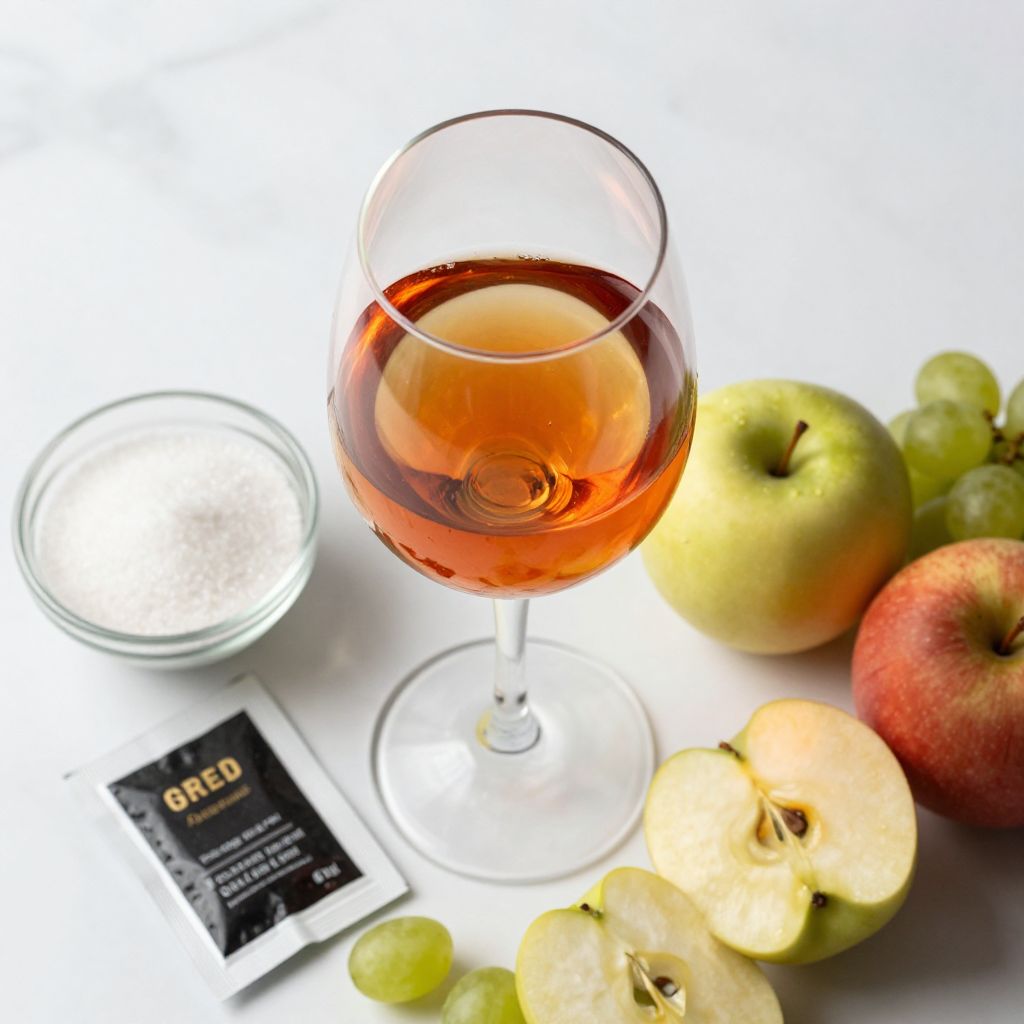
Picture this: a cozy evening, the sun setting, and a glass of homemade wine from juice in hand. This recipe is special because it transforms simple juice into a delightful beverage that’s perfect for gatherings or a quiet night in. With its rich flavors and inviting aroma, you’ll discover how easy it is to create your own wine that impresses without the fuss. Let’s dive into the ingredients and steps to craft this delightful drink.
Why You’ll Love This Recipe
This recipe is a fantastic way to explore winemaking without needing fancy equipment or grapes.
- Simple ingredients make it accessible.
- Versatile with different juice flavors.
- Perfect for personalizing your wine experience.
- Great conversation starter when served.
- Can be made in small or large batches.
My Experience Making This Recipe
When I first attempted this recipe, the process felt like a fun experiment rather than a chore. The aromas that filled my kitchen were irresistible, and I couldn’t wait to taste the results.
After a few weeks of patiently waiting, I popped the cork, and the flavor exceeded my expectations. It was smooth, slightly sweet, and just the right amount of tartness.
Recipe Overview
- Recipe Name: Wine From Juice
- Servings: 4-6
- Prep Time: 15 minutes
- Cook Time: N/A
- Total Time: 4 weeks
- Course: Beverage
- Cuisine: Homemade
- Calories per Serving: Approximately 120
Equipment You Will Need
- Large glass fermenter or carboy
- Siphoning tube
- Airlock
- Measuring cup
- Bottle for storage
- Funnel
Ingredients for Wine From Juice
- 64 oz of 100% fruit juice (no preservatives)
- 1 cup of granulated sugar
- 1 packet of wine yeast
- 1/4 tsp of potassium metabisulfite (optional)
- Water (to fill fermenter to 1 gallon if needed)
Ingredient Notes and Substitutions
- Fruit Juice: This is the base of your wine; any juice like grape or apple works well. You can use store-bought or freshly squeezed juice.
- Granulated Sugar: This helps ferment the juice into alcohol. Honey or agave syrup can be used as alternatives, but they may alter the flavor.
- Wine Yeast: Essential for fermentation; using bread yeast can yield less desirable results.
- Potassium Metabisulfite: Used to prevent spoilage; it can be omitted if you plan to consume the wine relatively quickly.
How to Make Wine From Juice
Step 1: Prepare the Fermenter
Start by thoroughly cleaning and sanitizing your fermenter and all equipment. This prevents unwanted bacteria from ruining your wine.
Step 2: Combine Ingredients
In a large bowl, mix the fruit juice and granulated sugar until the sugar dissolves. This ensures a balanced sweetness in your wine.
Step 3: Add Water
If your juice is less than 64 oz, fill the fermenter with water until it reaches 1 gallon. This helps create a consistent fermentation environment.
Step 4: Add Yeast
Sprinkle the wine yeast over the juice mixture. This allows the yeast to activate and begin the fermentation process.
Step 5: Seal the Fermenter
Place the airlock on the fermenter and fill it with water. This allows gases to escape while keeping contaminants out.
Step 6: Ferment
Store the fermenter in a dark, cool place for about 3-4 weeks. This gives the yeast time to work its magic and turn sugar into alcohol.
Step 7: Siphon the Wine
Once fermentation is complete, carefully siphon the wine into a clean bottle, leaving sediment behind. This helps clarify the wine for a better taste.
Step 8: Age the Wine
Seal the bottle and let it age for an additional week or more. Aging enhances the flavor and smoothness of your wine.
Pro Tip: Be patient! The longer you let it age, the better the flavors meld together.
Tips for the Best Wine From Juice
- Use high-quality juice without preservatives for the best flavor.
- Keep your equipment sanitized to avoid spoilage.
- Monitor fermentation temperature; it should be around 70°F.
- Consider adding spices like cinnamon for a unique twist.
- If possible, taste your wine after a few weeks to decide on the perfect aging time.
Common Mistakes to Avoid
- Using juice with preservatives; this can inhibit fermentation.
- Not sanitizing equipment; this can lead to contamination.
- Rushing the fermentation process; it can result in off-flavors.
- Sealing the fermenter too tightly; gases need to escape.
Serving Suggestions
This wine pairs beautifully with various dishes or can be enjoyed on its own. Here are some pairing ideas:
- Charcuterie boards with meats and cheeses.
- Spicy Asian dishes that balance the sweetness.
- Grilled meats for a delightful contrast.
- Fruit desserts like tarts or sorbets.
Variations to Try
- Use different juice blends like mango or pineapple for tropical flavors.
- Add herbs such as mint for a refreshing twist.
- Incorporate citrus peels for a zesty aroma.
- Experiment with adding a splash of brandy for depth.
Dietary Adaptations
- Gluten-Free: This recipe is naturally gluten-free.
- Dairy-Free: No dairy ingredients are used.
- Vegan: All ingredients are plant-based.
- Low-Carb/Keto: Use low-sugar juices to reduce carbs.
Storage and Reheating
Refrigerator
Store your wine in the refrigerator after bottling to keep it fresh.
- Keep it sealed tightly to prevent oxidation.
- Consume within three months for best flavor.
Freezer
Freezing is not recommended as it can alter the texture and flavor.
- Instead, consider making smaller batches to consume quickly.
Reheating
Reheating is not applicable for wine, but you can serve it chilled or at room temperature.
- Consider warming slightly for spiced variations.
Nutrition Information
| Nutrient | Amount |
|---|---|
| Calories | 120 |
| Total Fat | 0g |
| Saturated Fat | 0g |
| Carbohydrates | 30g |
| Fiber | 0g |
| Sugar | 28g |
| Protein | 0g |
| Sodium | 0mg |
| Cholesterol | 0mg |
This nutrition information is an estimate and can vary based on the specific ingredients used.
Frequently Asked Questions
Can I use store-bought juice?
Yes, just ensure it is 100% juice without preservatives for best results.
How long can I store the wine?
It’s best consumed within three months for optimal flavor.
Can I make this wine ahead of time?
Absolutely! Just plan to start the process a month before you want to enjoy it.
Why is my wine cloudy?
This can happen due to residual yeast or sediment; siphoning carefully can help clarify it.
Can I make wine from other juices?
Yes, feel free to experiment with any juice you enjoy.
Final Thoughts
Making your own wine from juice is a rewarding and enjoyable experience. I encourage you to try this recipe and take pride in your homemade creation.
For more exciting drink ideas, check out this homemade wine recipe or try a refreshing wine punch recipe. Happy brewing!
Wine From Juice
Ingredients
Equipment
Method
- Thoroughly clean and sanitize your fermenter and all equipment.
- In a large bowl, mix the fruit juice and granulated sugar until the sugar dissolves.
- If your juice is less than 64 oz, fill the fermenter with water until it reaches 1 gallon.
- Sprinkle the wine yeast over the juice mixture.
- Place the airlock on the fermenter and fill it with water.
- Store the fermenter in a dark, cool place for about 3-4 weeks.
- Once fermentation is complete, carefully siphon the wine into a clean bottle, leaving sediment behind.
- Seal the bottle and let it age for an additional week or more.