
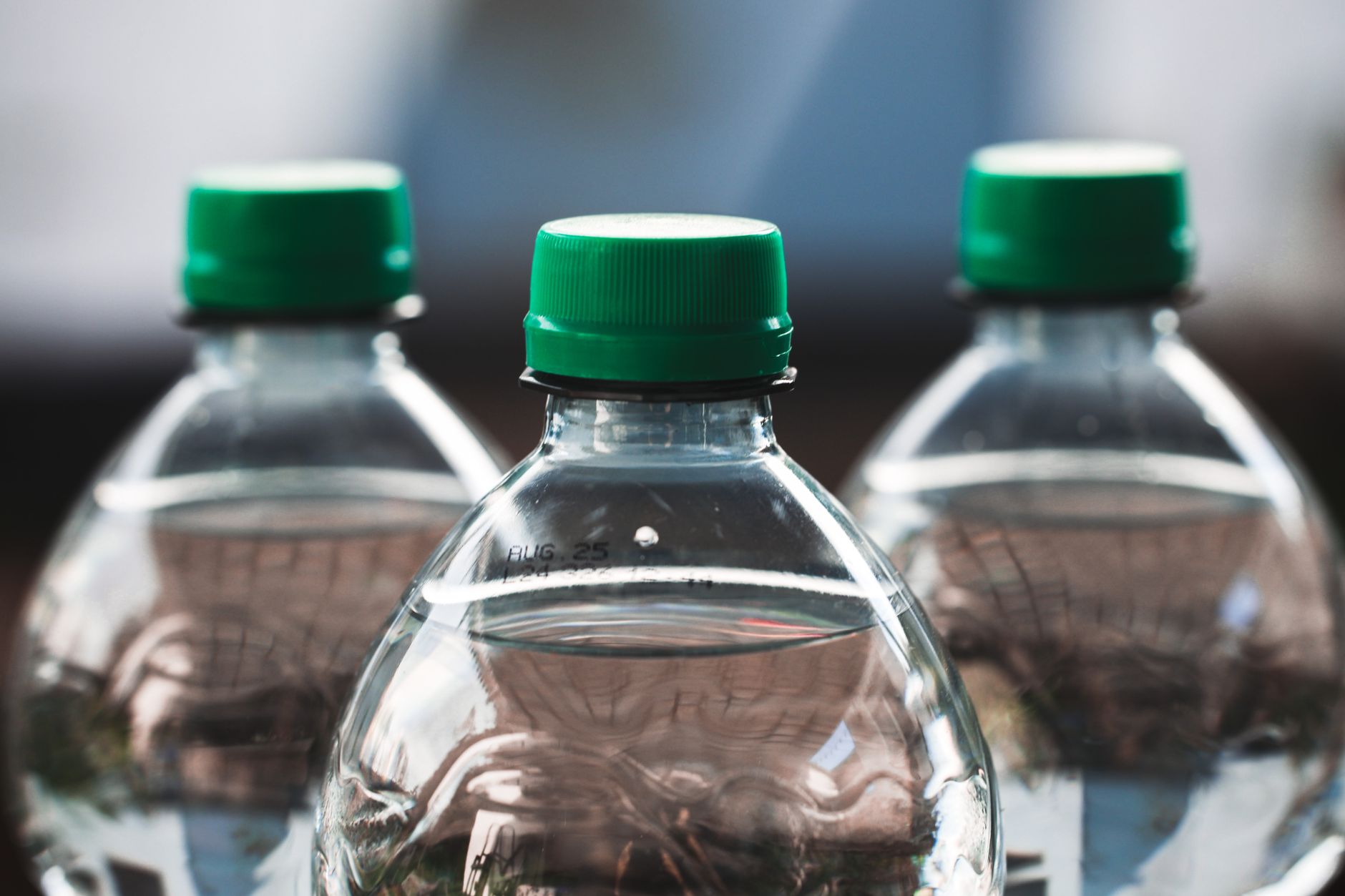
Staying hydrated is crucial for maintaining optimal health and well-being. One common question many people have is, “How many liters of water should you drink a day?” This article will explore the ideal water intake, factors influencing hydration needs, and practical tips to ensure you’re drinking enough water daily.
Water is essential for various bodily functions, including regulating temperature, transporting nutrients, and removing waste. In understanding how much water to consume, we’ll delve into guidelines, personal factors, and even creative ways to increase your daily intake.
How Many Liters Of Water Should You Drink A Day?
The general recommendation for daily water intake is about 2 to 3 liters for most adults, translating roughly to 8 to 12 cups. However, individual needs can significantly vary based on age, sex, activity level, and overall health. Understanding these factors can help determine your unique hydration requirements.
Factors Influencing Water Intake
Several factors can affect how much water you need daily. Here are some of the most significant:
Age and Sex
Men generally require more water than women due to a higher muscle mass and metabolic rate. Age also plays a role; older adults may need to be more mindful of hydration as thirst mechanisms can diminish with age.
Physical Activity
Exercise increases your need for water. The more active you are, the more fluids your body loses through sweat, requiring you to replenish these losses. It’s essential to drink water before, during, and after exercise to maintain hydration levels.
Climate and Weather Conditions
Your environment can greatly influence hydration needs. Hot and humid conditions can lead to higher fluid loss, while cold weather can also cause dehydration through increased urination. Adjusting your water intake according to the climate is important.
Dietary Choices
Your food intake also impacts hydration. Foods high in water content, such as fruits and vegetables, can contribute to your overall fluid intake. On the other hand, high-sodium foods may increase your need for water, while caffeinated beverages can have a mild diuretic effect.
Health and Medical Conditions
Certain health conditions or medications can influence hydration needs. For example, people suffering from fever, vomiting, or diarrhea lose fluids more quickly and may require increased water intake. It’s essential to consult with a healthcare provider if you have specific concerns.
How to Measure Your Water Intake
Estimating your daily water intake can be achieved through various methods and indicators:
Simple Calculation
A basic guideline is to drink around half your body weight in ounces. For instance, if you weigh 70 kg (about 154 pounds), aim for approximately 75 to 80 ounces of water daily. To convert this to liters, remember that 1 liter equals about 34 ounces. For example, 75 ounces would be roughly 2.2 liters.
Hydration Symptoms
Listening to your body is crucial. Signs of dehydration can include:
- Dark yellow urine
- Dry mouth and throat
- Fatigue
- Dizziness or lightheadedness
If you notice any of these symptoms, it might be time to increase your fluid intake.
Hydration Tracking
Using hydration apps or journals can help you keep track of your daily water intake. Simply note down how much water you drink throughout the day to ensure you meet your goals.
Practical Tips for Increasing Water Intake
Incorporating more water into your daily routine doesn’t have to be a chore. Here are some practical suggestions:
Flavored Water
If plain water doesn’t excite you, consider adding flavors. Combine slices of citrus fruits, berries, or cucumbers to infuse flavor without added sugars or calories. This not only makes water more appealing but also adds vitamins.
For an adventurous twist, try recipes like lemon-ginger water which can be refreshing and invigorating.
Consistency and Routine
Make hydration part of your daily routine by carrying a reusable water bottle, keeping it within reach, and refilling it regularly. Set reminders on your phone to drink water at specific times throughout the day.
Eating Water-Rich Foods
Add moisture-rich foods to your meals, such as:
- Watermelon
- Cucumbers
- Strawberries
- Spinach
- Zucchini
These foods enhance hydration while providing nutrients.
Drinking Herbal Teas
Herbal teas are another excellent way to increase fluid intake. They come in various flavors and can be enjoyed hot or cold. Just be cautious of caffeine content in certain teas or coffees, which may have a mild diuretic effect.
For a comforting beverage, consider trying out a honey lavender latte which is soothing and hydrating.
Common Mistakes to Avoid
While aiming for adequate hydration, it’s essential to avoid common pitfalls:
Dismissing Thirst Signals
Many people ignore their thirst. Don’t wait until you feel parched to drink water; make it a habit to drink regularly.
Excessive Intake
Drinking too much water can lead to a condition known as hyponatremia, where sodium levels in your blood become dangerously low. Balance is key; listen to your body and drink according to your needs, especially during extreme exertion.
Relying Solely on Beverages
While beverages are important, don’t forget the hydrating potential of food. Incorporate high-water-content foods into your diet to complement your fluid intake.
Storage and Preservation of Water
How you store your water can also matter when it comes to taste and safety. Here are some tips:
Storage Techniques
Use clean, BPA-free bottles or containers to store water. Glass containers are ideal for preserving taste and preventing any plastic flavors or chemicals from leaching into the water.
Freshness
Though water doesn’t spoil, it can pick up flavors or odors from its container. To maintain fresh-tasting water, clean your containers regularly and avoid storing water in direct sunlight, which can heat water and promote bacterial growth.
Fun Ways to Stay Hydrated
Staying hydrated doesn’t have to be boring or repetitive. Here are creative ways to make hydration enjoyable:
Mocktails and Infusions
Create tropical mocktails or refreshing infused beverages, combining various fruits and herbs. Experiment with different combinations until you find your favorite blends!
Hydration Challenges
If motivation is an issue, consider engaging in a hydration challenge with friends or family. Set collective goals, and track your progress together to encourage each other.
Seasonal Hydration
Incorporate seasonal fruits and vegetables into your hydration strategy. For instance, enjoy watermelon in summer for its hydrating properties, and opt for hearty vegetable broths during colder months.
Conclusion and Next Steps
Understanding how many liters of water you should drink a day is essential for maintaining optimal hydration and overall health. Remember to consider your individual needs based on various personal factors. Regularly tracking your water intake, incorporating hydrating foods, and trying out flavorful preparations can help you stay on track.
For more tips on enhancing your hydration or discovering related recipes, explore delicious options like lemon ginger water or indulge in a honey lavender latte. Staying hydrated can be tasty and enjoyable!