
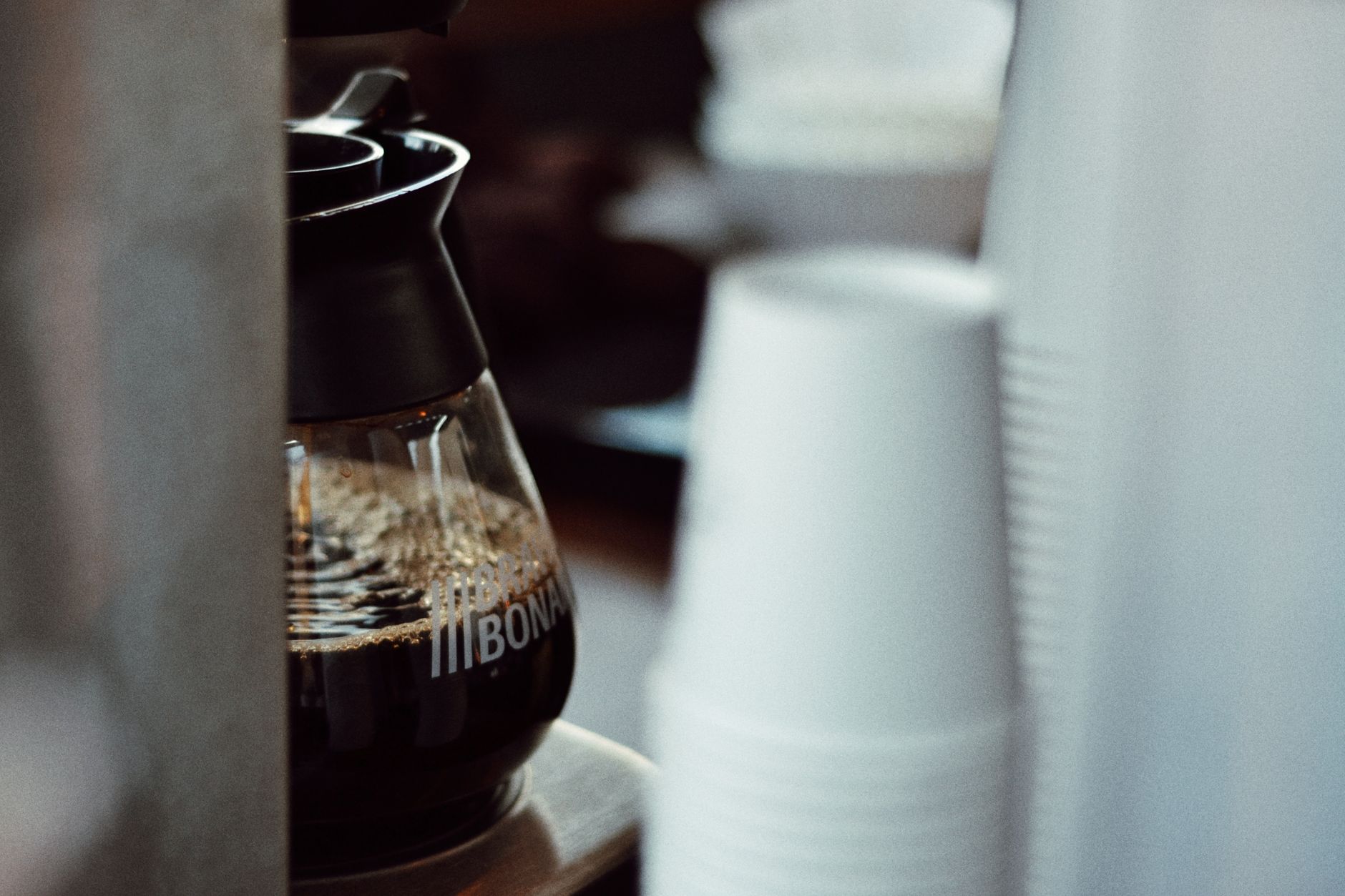
Coffee is more than just a beverage; it’s a ritual for many people around the world. Brewing coffee in a coffee maker is one of the most convenient ways to prepare this beloved drink. With just a few steps, you can create a rich, flavorful cup of coffee that kick-starts your day or provides a comforting break.
This guide will walk you through the essentials of brewing coffee in a coffee maker, from selecting the right beans to troubleshooting common issues. Whether you’re new to coffee making or looking for tips to refine your method, this guide has something for everyone.
How To Brew Coffee In A Coffee Maker?
To brew coffee in a coffee maker, start by selecting quality coffee beans and grind them to the right consistency. Measure the coffee and water ratios according to your taste, and then follow the brewing process of your specific coffee maker model. After brewing, enjoy your coffee hot or cold based on your preference.
The Basics of Brewing Coffee
Understanding the basics of brewing coffee is essential for maximizing flavor and aroma. Here’s what you need to know:
- Coffee Maker Types: There are various types of coffee makers, including drip coffee makers, single-serve machines, and French presses. Each has its unique process but generally follows similar principles.
- Coffee Beans: Your choice of coffee beans significantly influences the flavor of your coffee. Arabica beans are known for their sweetness and complexity, while Robusta beans are typically stronger and more bitter.
- Grind Size: The grind size affects extraction. For drip coffee makers, a medium grind is usually best; if you’re using a French press, opt for a coarse grind.
- Water Quality: Always use clean, fresh water to brew your coffee. Filtered water is preferred, as it helps avoid any off-flavors from tap water.
- Water Temperature: The ideal water temperature for brewing coffee is between 195°F and 205°F (90°C to 96°C). This range helps extract the flavors from the coffee grounds effectively.
What You Will Need
Ingredients
- Coffee Beans: 1 to 2 tablespoons per 6 ounces of water (adjust based on taste)
- Water: Filtered or bottled, to taste
Essential Equipment
- Coffee maker (drip, single-serve, or whatever type you have)
- Coffee grinder (if using whole beans)
- Coffee filter (paper or reusable, depending on the machine)
- Measuring spoon or scale
- Coffee mug
Step-by-Step Brewing Instructions
- Selecting and Grinding Coffee Beans:
- Choose high-quality coffee beans based on your flavor preferences.
- Use a coffee grinder to grind the beans just before brewing to maximize freshness. Aim for a medium grind for drip coffee makers.
- Measuring Coffee and Water:
- Measure approximately 1 to 2 tablespoons of ground coffee for every 6 ounces of water. Customize this ratio to suit your taste.
- Using a scale provides a more accurate measurement if available.
- Preparing the Coffee Maker:
- Place a coffee filter in the basket of the coffee maker.
- Add the measured ground coffee into the filter.
- Pour the desired amount of fresh water into the reservoir of your coffee maker.
- Brewing Process:
- Turn on the coffee maker and allow it to brew completely.
- For single-serve machines, follow the manufacturer’s instructions for placing the coffee pod or ground coffee.
- Serving Your Coffee:
- Once brewing is complete, pour the coffee into a mug.
- Add any desired cream, milk, sweeteners, or flavorings to your taste.
- If making iced coffee, allow the coffee to cool and pour it over ice.
Common Mistakes to Avoid
Even small missteps can lead to subpar coffee. Here are common mistakes and how to avoid them:
- Using Stale Coffee Beans: Always use fresh coffee beans. Store them in an airtight container away from light, heat, and moisture.
- Poor Water Quality: Low-quality water can affect the taste. Use filtered water for optimal results.
- Improper Grind Size: The grind size should match your brewing method. For drip coffee, a medium grind works best.
- Incorrect Coffee-to-Water Ratio: Experiment to find your preferred strength but remember the general guideline of 1 to 2 tablespoons of coffee per 6 ounces of water.
- Neglecting the Coffee Maker: Regular cleaning of your coffee maker helps maintain taste and prevent buildup of oils or minerals.
Tips for an Enhanced Brewing Experience
For those looking to elevate their coffee game, consider the following tips:
- Experiment with Different Beans: Try beans from different regions to explore various flavors and aromas.
- Try Different Brewing Methods: Experiment with French press, pour-over, or cold brew to discover new tastes and textures.
- Invest in Quality Equipment: Consider upgrading to a burr grinder for a more consistent grind or a higher-end coffee maker for improved brewing.
- Attention to Temperature: Use a thermometer to ensure your water is within the ideal brewing range for optimal extraction.
Making Adjustments for Personal Preference
Brewing coffee is highly personal, and there are several ways to adjust your coffee to better suit your tastes:
- Stronger Coffee: Increase the coffee quantity or reduce the water volume while keeping a similar brewing method.
- Milder Coffee: Decrease the coffee amount or increase the water volume. You can also try lighter coffee beans.
- Flavor Additions: Try adding spices like cinnamon or nutmeg to your coffee grounds before brewing for an aromatic twist.
Cold Brew Coffee in a Coffee Maker
While traditional coffee makers are generally used for hot coffee, you can also create delicious cold brew coffee with some adjustments. Here’s how:
- Coarsely Grind Coffee: Use a coarse grind similar to what you would use for a French press.
- Mix Coffee and Water: Use a ratio of 1 cup of coffee to 4 cups of cold water in the coffee maker.
- Brew: Allow it to steep for at least 12-24 hours, depending on how concentrated you prefer your cold brew.
- Strain: If your coffee maker has a filter or if you can remove the grounds, do so and serve over ice.
Storage and Reheating Tips
Correct storage and reheating can keep your coffee tasting great. Here are some recommendations:
- Storing Coffee: Keep whole beans in an airtight container in a cool, dark place. Ground coffee should also be stored in a similar manner.
- Reheating Coffee: If you have leftover coffee, store it in an airtight container in the fridge. Reheat gently in the microwave or on the stove, but remember that reheating may alter the flavor.
- Freshness: It’s best to brew coffee fresh rather than reheating leftovers, so try to brew in smaller batches to minimize waste.
How to Troubleshoot Common Brewing Issues
Even experienced coffee brewers sometimes encounter pitfalls. Here’s a quick troubleshooting guide:
- Weak Coffee: Check your coffee-to-water ratio and increase the coffee amount if necessary.
- Bitter Taste: This can be due to over-extraction. Make sure not to overbrew, and consider a coarser grind.
- Undercooked Coffee: Ensure your coffee maker is functioning properly and that the brewing cycle is complete.
- Inconsistent Flavor: Use the same coffee bean and grind size and maintain your coffee maker regularly for consistent results.
Special Considerations for Different Coffee Makers
Keen to try different coffee makers? Here’s how brewing can vary across various types:
Drip Coffee Makers
These are the most common machines, utilizing a filter system. Stick to the standard water and coffee ratios for the best results.
Single-Serve Machines
Use pre-measured pods according to manufacturer instructions for a quick brew. You can adjust by selecting different pod strengths.
French Press
This method requires coarser coffee grounds and no filter. Steep for about 4 minutes before pressuring down for a robust flavor.
Conclusion
Brewing coffee in a coffee maker is both an art and a science. By understanding the essentials of coffee selection, grinding, and brewing techniques, you can create perfect coffee suited to your taste. Remember, experimentation is key, so don’t hesitate to adjust your methods and ingredients to discover your ideal cup.
For more exciting coffee ideas or to try your hand at unique recipes, check out our Dirty Coffee Recipe or learn how to make Iced Coffee Concentrate.