
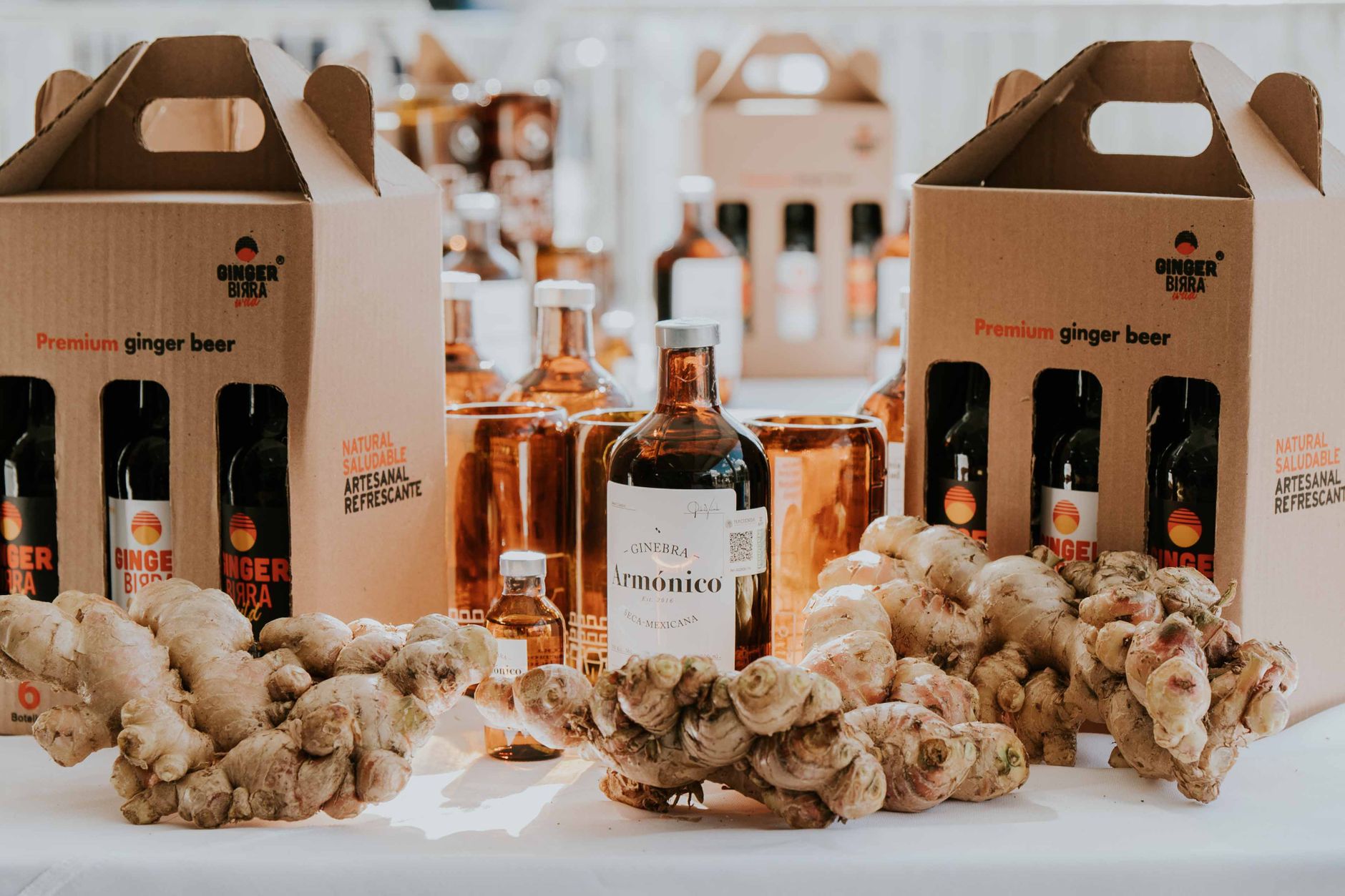
Ginger beer is a popular beverage known for its distinct flavor, versatility, and sparkling qualities. Often used as a mixer in cocktails or enjoyed on its own, understanding its taste profile can enhance your culinary experiences. This guide delves into the flavor and aroma of ginger beer and explores how it can be used in various drinks and recipes.
From its refreshing zing to its complex taste notes, ginger beer offers a unique drinking experience. As we explore what ginger beer tastes like, we’ll also discuss its origins, variations, and ways to incorporate it into your diet.
What Does Ginger Beer Taste Like?
Ginger beer has a bold and spicy flavor, reminiscent of fresh ginger root. It has a natural sweetness that balances the heat from ginger, resulting in a fizzy and refreshing beverage. The taste can range from sweet to dry, and it often includes subtle hints of citrus, herbs, or spices depending on the brand and recipe.
The level of sweetness varies significantly among different brands and homemade versions. Some ginger beers lean toward a more pronounced sweetness, while others opt for a drier finish. The carbonation level also adds an exciting texture, contributing to the overall refreshing experience.
The Key Flavor Components of Ginger Beer
- Ginger: The predominant flavor, providing warmth and spice.
- Sweetness: Usually derived from sugar or other sweeteners, balancing the spice.
- Citrus: Many ginger beers include lemon or lime, enhancing freshness.
- Herbal Notes: Some varieties may incorporate herbs like mint or basil for added complexity.
- Spices: Cloves, allspice, or cinnamon can add depth to the flavor.
A Brief History of Ginger Beer
The origins of ginger beer date back to the 17th century in England, where it was first brewed as a fermented beverage. Historically, ginger beer was made using a fermentation process involving sugar, ginger, and water. This produced natural carbonation, resulting in a fizzy drink.
In the 19th century, ginger beer gained immense popularity and evolved into the non-alcoholic soft drink we know today. While traditional methods still exist, many contemporary brands use carbonation and ginger extracts, resulting in a variety of flavor profiles and intensities.
Types of Ginger Beer
Understanding the various types of ginger beer can enrich your experience with the beverage. The main distinctions include:
- Traditional Ginger Beer: Brewed using natural fermentation processes, typically less sweet and more tangy.
- Commercial Ginger Beer: Often sweeter and highly carbonated, available in various flavors.
- Alcoholic Ginger Beer: Contains a higher alcohol content, similar to beers.
- Non-Alcoholic Ginger Beer: Commonly found in stores, it retains the spicy flavor without alcohol.
- Craft Ginger Beer: Made by small-batch producers, often offering unique and complex flavors.
How to Use Ginger Beer in Recipes
The robust flavor of ginger beer pairs well with numerous dishes and drinks. Here are some popular ways to incorporate ginger beer into your culinary experiences.
Signature Cocktails
Ginger beer is a staple in many cocktails, adding depth and spice. Some classic cocktails include:
- Moscow Mule: A delightful blend of vodka, ginger beer, and lime juice served in a copper mug.
- Dark ‘n’ Stormy: Made with dark rum and ginger beer, garnished with lime.
- Ginger Beer Mojito: A refreshing mix of mint, lime, rum, and ginger beer.
Mocktails and Non-Alcoholic Drinks
If you prefer non-alcoholic options, consider crafting refreshing mocktails. For instance, combining ginger beer with fresh fruit juices, such as pineapple or orange, creates a tropical beverage. Adding a splash of club soda increases the fizz without overpowering the ginger flavor.
Cooking and Marinades
Ginger beer can be a flavorful ingredient in cooking as well. It can be used as a marinade for meats, adding a sweet and spicy element. Consider using ginger beer with chicken, pork, or tofu to enhance flavors. The acidity in ginger beer also helps tenderize the meat, resulting in a juicy dish.
Practical Tips for Choosing Ginger Beer
With many ginger beer options available, here are some tips to help you choose the right one:
- Check the Ingredients: Look for natural ingredients without artificial flavors or preservatives.
- Carbonation Level: Decide if you prefer a highly carbonated drink for a more fizzy experience or a gentler effervescence.
- Sweetness Preference: Evaluate whether you enjoy a sweeter or more spicy version of ginger beer.
- Brand Exploration: Try different brands to discover the flavor profiles you enjoy most.
How to Make Your Own Ginger Beer
For those interested in crafting their own ginger beer, here’s a simple recipe to get you started. Homemade ginger beer offers an authentic taste and allows for adjustments in sweetness and spiciness.
Homemade Ginger Beer Recipe
Yield: About 2 liters
Preparation Time: 15 minutes (plus fermentation time)
Total Time: 3-7 days, depending on fermentation
Ingredients
- 1 cup fresh ginger, peeled and grated
- 1 cup sugar (adjust based on desired sweetness)
- 1/4 cup freshly squeezed lemon juice
- 1/4 teaspoon active dry yeast
- Water (to fill a 2-liter bottle)
Equipment
- Large mixing bowl
- 2-liter glass bottle (with a tight-sealing cap)
- Mesh strainer or cheesecloth
- Funnel
Method
- In a large mixing bowl, combine the grated ginger, sugar, and lemon juice.
- Add about 2 cups of warm water (not boiling) and stir until the sugar dissolves.
- Sprinkle the active dry yeast over the mixture and allow it to sit for 10-15 minutes until foamy.
- Using a mesh strainer or cheesecloth, strain the mixture to remove ginger solids.
- Pour the strained ginger liquid into the 2-liter glass bottle using a funnel.
- Top the bottle with water, leaving about an inch of space at the top.
- Seal the bottle tightly and store in a cool, dark place for 3-7 days. Check daily for carbonation.
- Once desired carbonation is achieved, place it in the fridge to slow fermentation.
- Serve chilled and enjoy!
Common Mistakes When Brewing Ginger Beer
- Skipping fermentation time can result in flat ginger beer.
- Using boiling water can kill the yeast, inhibiting carbonation.
- Inadequate sealing of the bottle can lead to spills or weak carbonation.
Ginger Beer Storage and Shelf Life
Typically, unopened commercial ginger beer can last for several months when stored in a cool, dark place. Once opened, it’s best to consume within a few days for the optimal taste and fizz. Homemade ginger beer should be refrigerated after fermentation to slow the process and can last for about a week.
Pairing Food with Ginger Beer
Ginger beer’s versatile flavor can complement various dishes. Some pairing ideas include:
- Spicy Asian Cuisine: The sweetness and spice can balance foods like Thai curry or Szechuan stir-fry.
- Grilled Meats: Its zesty notes enhance grilled chicken, pork, or beef dishes.
- BBQ Dishes: Pairing ginger beer with barbecue ribs or pulled pork offers a delightful contrast.
- Seafood: Foods like shrimp tacos or grilled fish benefit from the refreshing kick of ginger beer.
Common Health Considerations
While ginger beer contains healthful ginger, be aware of its sugar content, especially in commercial varieties. If you’re concerned about sugar intake, opt for lower-sugar brands or homemade versions where you can control ingredients. Additionally, ginger is known for its potential anti-inflammatory properties, which can aid digestion and reduce nausea.
Exploring Food Culture with Ginger Beer
Ginger beer has found its place in various cultures worldwide, from the Caribbean’s Dark ‘n’ Stormy cocktails to the sophisticated Moscow Mule in Russia. Its ability to adapt to different culinary settings makes it a delightful addition to global cuisine.
As you explore ginger beer, consider experimenting with local ingredients that can enhance its flavor. Infusing it with different herbs or spices reflective of regional flavors can yield exciting variations. Each adaptation offers a fresh perspective on the classic beverage.
In conclusion, ginger beer is a complex yet approachable drink brimming with flavor. Whether enjoyed on its own or mixed into a cocktail, it offers a zesty and refreshing experience. As you dive deeper into ginger beer, consider trying your hand at homemade versions, selecting quality brands, and pairing it with various foods to fully appreciate its dynamic palate.
For more insights into crafting beverages and cooking with ginger, check out our guides on making ginger beer with a ginger bug or exploring our fermented ginger beer recipe. Happy exploring!