
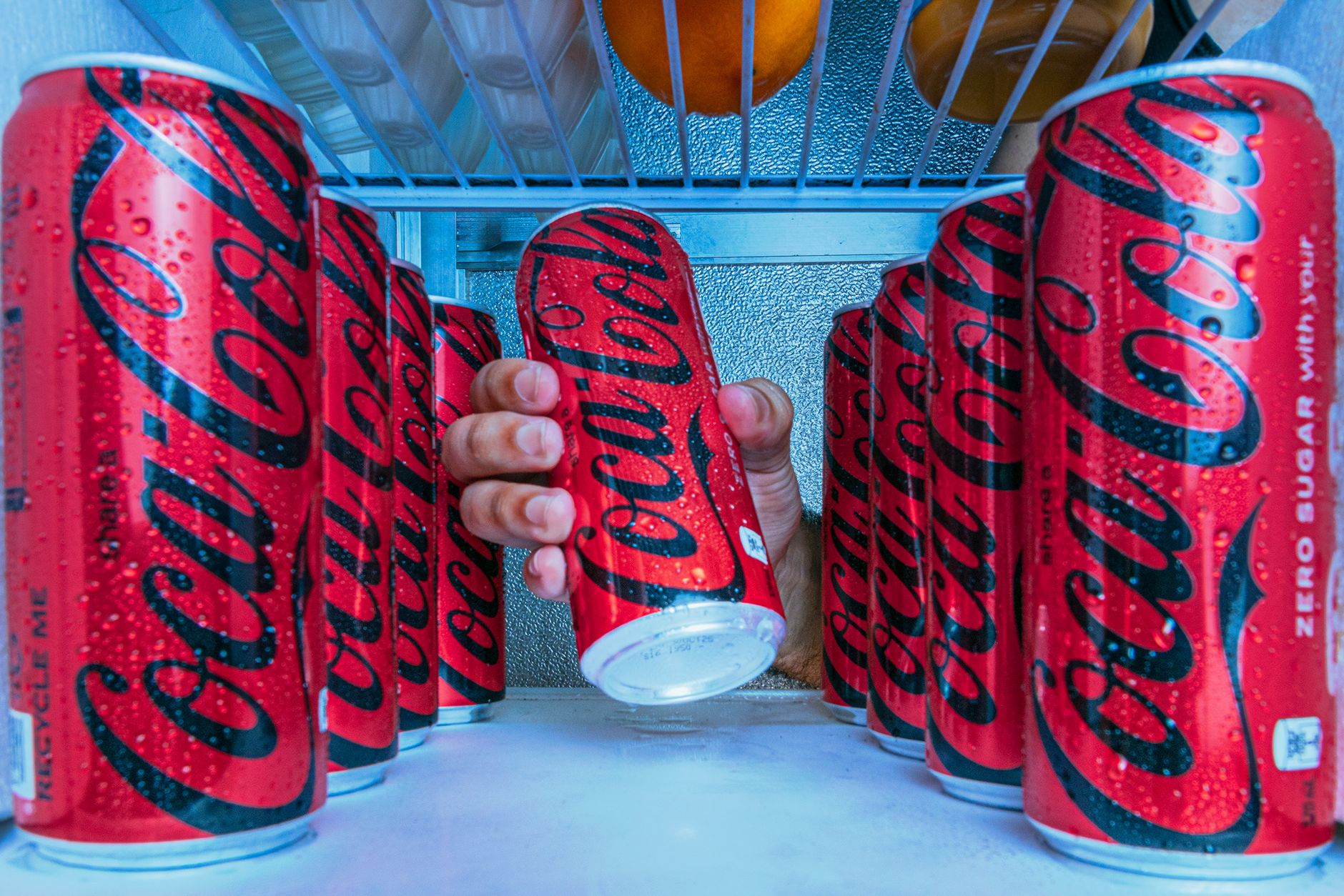
Caffeine is a widely consumed stimulant found in many beverages, including soda and coffee. Understanding how much caffeine is present in different drinks can help individuals make informed choices about their consumption. In this article, we will compare the caffeine content in Coke Zero and coffee, exploring the differences and helping you decide which beverage might be better suited for your caffeine needs.
We’ll delve into the nutritional aspects of both drinks, looking at their flavor profiles and ingredients, and offer some insights into how each drink can fit into your daily routine. Whether you’re a soda lover or a coffee aficionado, this guide will provide valuable information to optimize your caffeine consumption.
How Much Caffeine Is in Coke Zero vs. Coffee?
The caffeine content varies significantly between Coke Zero and coffee. Coca-Cola Zero Sugar contains about 34 mg of caffeine per 12-ounce (355 ml) can. In comparison, an 8-ounce (240 ml) cup of brewed coffee contains between 95 mg to 200 mg of caffeine, depending on the brewing method and coffee bean type. Thus, coffee generally has a much higher caffeine content compared to Coke Zero.
Caffeine Content Breakdown
To clarify the caffeine levels, let’s examine more precise measurements and variations based on different serving sizes and types of coffee.
Coke Zero Caffeine Content
A 12-ounce can of Coke Zero contains:
- Caffeine: 34 mg
For comparison:
- Coke Classic (12 oz): 34 mg
- Coke Diet (12 oz): 46 mg
Coffee Caffeine Content
In contrast, the caffeine content in coffee can vary significantly based on factors such as brewing method and coffee type:
- Drip Coffee (8 oz): 95 mg to 200 mg
- Espresso (1 oz): 63 mg
- Instant Coffee (8 oz): 30 mg to 90 mg
- Cold Brew (8 oz): 100 mg to 200 mg
These variations reveal that coffee can contain anywhere from two to six times more caffeine than Coke Zero, making it a stronger choice for those seeking an energy boost.
Flavor Profile and Ingredients
While the caffeine content is vital, the taste and ingredients of each drink are also important when choosing between Coke Zero and coffee.
Coke Zero Flavor and Ingredients
Coke Zero is a sugar-free cola developed to mimic the flavor of the original Coca-Cola without the calories from sugar. Its flavor profile is characterized by:
- A sweet, fizzy taste
- Subtle caramel and vanilla notes
- Light citrus undertones
The primary ingredients in Coke Zero include:
- Carbonated water
- Caramel color
- Phosphoric acid
- Natural flavors
- Potassium benzoate
- Sucralose (artificial sweetener)
- Caffeine
Coffee Flavor and Ingredients
Coffee offers a complex and rich flavor profile that can include:
- Bold and robust flavors
- Subtle acidity or sweetness
- Nutty, chocolatey, or fruity notes depending on the bean type
The fundamental ingredients for coffee typically consist of:
- Coffee beans
- Water
Coffee preparation varies widely, allowing for diverse flavor expressions through different brewing methods and bean origins.
Health Considerations
When consuming beverages that contain caffeine, it is helpful to understand the health impacts of caffeine itself, as well as the other ingredients present in Coke Zero and coffee.
Caffeine and Health
Caffeine can have both positive and negative effects on health:
- Positive Effects:
- Improved mental alertness and focus
- Enhanced physical performance
- May reduce the risk of certain diseases, according to some studies
- Negative Effects:
- Potential for increased anxiety or jitters
- Possible disruption of sleep patterns
- Can lead to dependence with excessive consumption
Ingredients in Coke Zero
Coke Zero’s artificial sweeteners, such as sucralose, have been debated regarding their long-term health effects. While they offer reduced calories, some studies suggest potential metabolic impacts. Additionally, the acidity of cola drinks may have dental health implications due to enamel erosion.
Ingredients in Coffee
Black coffee is generally low in calories and contains beneficial antioxidants, making it a healthier beverage choice. However, added sugars and cream can significantly increase its caloric content. Moderation is key, as excessive caffeine or sugar consumption may lead to health issues.
Choosing Between Coke Zero and Coffee
Your choice between Coke Zero and coffee more likely depends on personal preferences, lifestyle, and caffeine needs. Here’s a breakdown of when to choose each beverage:
When to Choose Coke Zero
- For a sweet, fizzy refreshment without the calories of regular soda.
- When you desire a flavored drink with lower caffeine content.
- If you prefer a non-coffee beverage for social occasions or meals.
When to Choose Coffee
- For a more significant caffeine boost that promotes alertness.
- When seeking a beverage rich in potential antioxidants and health benefits.
- If you enjoy the complex flavors and variety of preparation methods coffee offers.
Common Questions About Caffeine
What are some alternatives to Coke Zero and coffee?
If you’re looking to switch up your beverage routine but want to maintain caffeine intake, consider:
- Tea (black, green, or matcha)
- Yerba mate
- Energy drinks
How much caffeine is safe to consume in a day?
The FDA states that up to 400 mg of caffeine per day is generally considered safe for most adults. It’s important to listen to your body and adjust your intake as needed.
Practical Tips for Enjoying Your Beverage
Whether you are steering towards Coke Zero or coffee, consider these tips for maximizing your enjoyment:
- Experiment with coffee brewing methods, such as French press, pour-over, or cold brew, to discover your ideal cup.
- Add flavorings like vanilla, cinnamon, or chocolate to coffee for a delicious twist.
- In moderation, enjoy Coke Zero with various meals for a refreshing option.
- Stay hydrated by balancing caffeine intake with plenty of water throughout the day.
Conclusion
And there you have it—the differences in caffeine content and characteristics of Coke Zero versus coffee. While Coke Zero offers a lower caffeine option with a sweet, fizzy taste, coffee provides a richer flavor and a considerable caffeine boost. Your choice ultimately should align with your taste preferences, caffeine needs, and lifestyle. Consider incorporating both drinks into your routine in moderation for variety.
Explore our other articles for more recipes and tips, such as the Long Black Coffee Recipe and Iced Coffee Concentrate Recipe.