
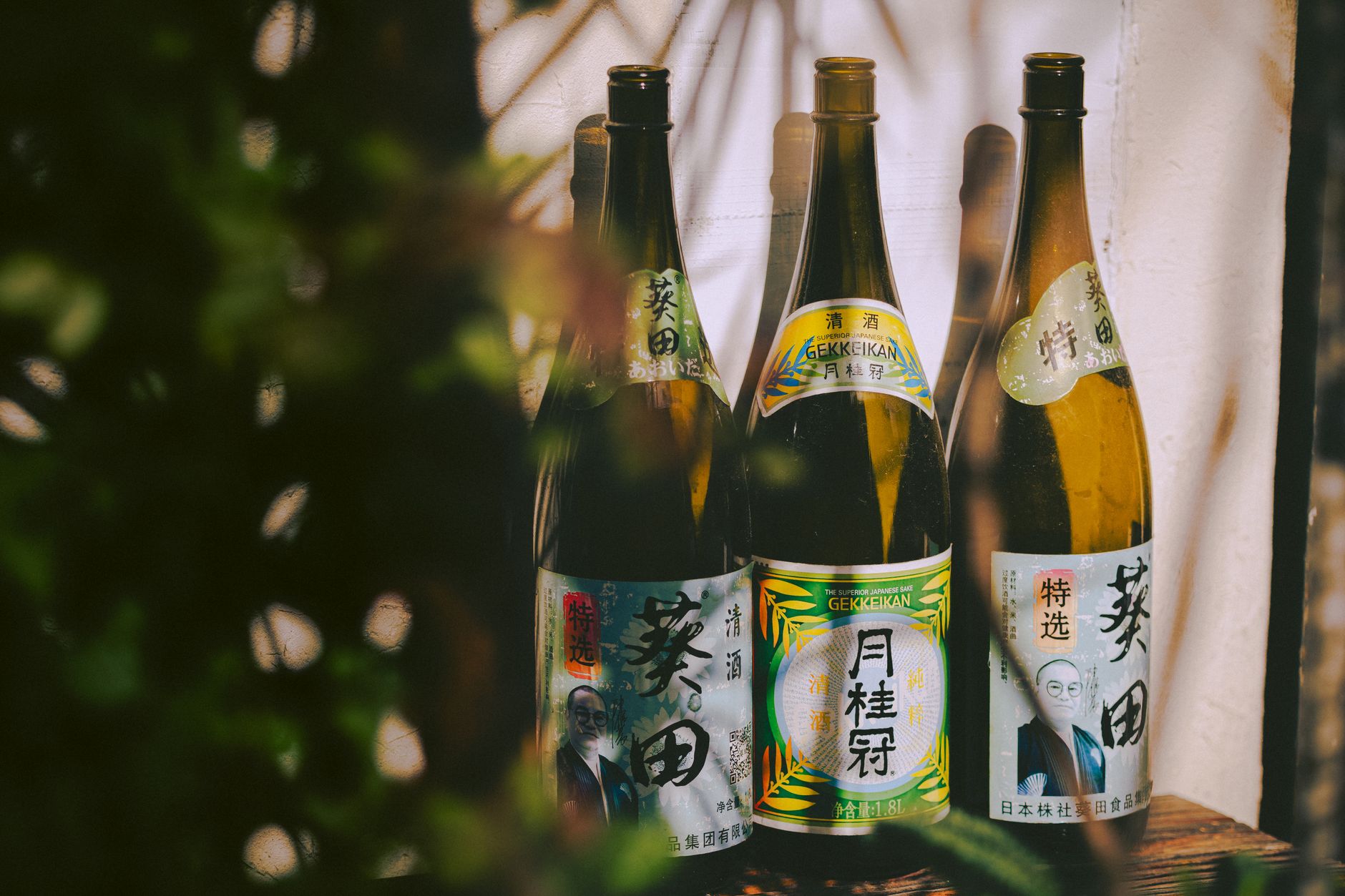
Sake, often referred to as Japanese rice wine, is a unique alcoholic beverage with a rich cultural history and distinctive production method. This clear liquid, made from fermented rice, has a flavor profile that varies widely, providing a delightful experience for both casual drinkers and connoisseurs alike. Exploring the world of sake can enhance your culinary adventures and elevate your dining experience.
In this article, we delve into what sake is, how it’s made, the various types, and how to enjoy it. Whether you’re a newcomer to sake or looking to deepen your knowledge, this guide offers essential insights and tips.
What Is A Sake?
Sake is an alcoholic beverage made from fermented rice, often referred to as rice wine. However, it’s essential to note that its brewing process is more akin to beer than wine, where starch is converted to sugars before fermentation. This creates a beverage that can range from dry to sweet and has varying alcohol content, typically between 15-20%.
How Is Sake Made?
The production of sake involves four primary ingredients: rice, water, koji mold, and yeast. The process is intricate and time-consuming, consisting of several steps that transform these raw materials into the final product.
The Ingredients
- Rice: The quality of rice is crucial; sake rice is often milled to remove the outer layers, which contain fats and proteins that can affect flavor. The most common sake rice includes Yamada Nishiki and Gohyakumangoku.
- Water: Sake brewing requires pure water. Regions with soft water, like the Hyogo and Akita prefectures in Japan, are famous for their sake due to the mineral content.
- Koji Mold: This mold is essential for saccharification, converting rice starches into sugars that yeast can ferment. The process of creating koji requires carefully controlled temperatures and humidity.
- Yeast: Yeast is responsible for fermenting the sugars produced by the koji into alcohol. Different yeast strains contribute varying flavors and aromas to the sake.
Brewing Process
- Rice Preparation: The rice is polished, washed, and soaked before steaming. Polishing removes the outer layers, affecting the sake’s characteristics.
- Koji Making: Steamed rice is inoculated with koji mold and stored in a warm, humid environment to develop.
- Fermentation: The koji rice is mixed with water and yeast in a fermentation tank. This stage can take several weeks, during which the mixture undergoes fermentation.
- Pressing: After fermentation, the sake is pressed to separate the liquid from the solids. The remaining solids are often used as animal feed.
- Filtration and Pasteurization: The sake is filtered to remove impurities and is typically pasteurized to stabilize the flavor.
- Aging: While some sake is bottled immediately, others are aged to develop more complex flavors.
- Bottling: The final product is bottled and labeled, ready for distribution.
Types of Sake
Sake comes in various styles, each offering a unique taste and experience. Here are the main categories of sake:
Junmai
This type of sake is made with only rice, water, yeast, and koji, without any added alcohol. The flavor is often rich and full-bodied.
Honjozo
Honjozo sake has a small amount of distilled alcohol added, which can enhance the aroma and mellow the flavor. It tends to be lighter and more fragrant than Junmai.
Ginjo
Produced with rice polished to at least 60%, Ginjo is a premium sake with fruity and floral notes. It often has a more delicate flavor profile.
Daiginjo
This is the highest grade of sake, made with rice polished to at least 50%. Daiginjo sake is exceptionally smooth with complex flavors, appealing to high-end palates.
Sparkling Sake
Similar to champagne, sparkling sake undergoes a secondary fermentation that creates carbonation. It is often sweeter and can be enjoyed as a refreshing aperitif.
How to Drink Sake
Sake can be enjoyed in various ways, whether served warm, chilled, or at room temperature. Here are some tips on how to properly serve and enjoy sake:
Serving Temperatures
- Chilled: Light and aromatic sakes, such as Ginjo or Daiginjo, are best served chilled (around 45°F to 50°F).
- Room Temperature: Junmai and Honjozo can be served at room temperature (around 60°F to 70°F) to highlight their flavors.
- Warm: Sakes can be heated (around 100°F to 130°F) to enhance rich, full-bodied flavors, although this may mask delicate aromas.
Glassware
Traditionally, sake is served in small porcelain or glass cups called ochoko, while a larger carafe known as tokkuri is used to serve the sake. However, any clean wine glass can also be suitable for tasting.
Pairing with Food
Sake pairs wonderfully with a variety of foods. Its acidity and versatility can complement sushi, sashimi, grilled meats, and even desserts. Here are some pairing suggestions:
- Junmai: Pairs well with rich foods like fried dishes and grilled meats.
- Ginjo: Pairs beautifully with lighter fare, such as sushi or vegetable dishes.
- Daiginjo: Ideal with delicate seafood dishes, like white fish or shellfish.
Common Mistakes with Sake
To fully appreciate sake, avoiding a few common mistakes can enhance your tasting experience:
- Serving at the Wrong Temperature: Each sake type has an ideal serving temperature that affects flavor. Familiarize yourself with these to maximize enjoyment.
- Inefficient Storage: Sake should be stored upright in a cool, dark place, and consumed within a few weeks of opening for optimal freshness.
- Poor Pairing Choices: Not all sake pairs well with all foods. Understanding flavor profiles can enhance food pairing.
Make-Ahead Sake Cocktails
If you want to create something refreshing with your sake, consider making sake cocktails. Below are some simple recipes that you can prep ahead of time:
Sake Spritzer
This light and refreshing cocktail combines sake with club soda, perfect for warm weather gatherings.
- 3 oz sake
- 3 oz club soda
- 1 oz fresh lime juice
- Lime slices for garnish
Instructions:
- In a glass filled with ice, combine sake, club soda, and lime juice.
- Stir gently and garnish with lime slices.
Sake Mojito
Add a twist to your classic mojito by using sake instead of rum.
- 2 oz sake
- 1 oz fresh lime juice
- 1 oz simple syrup
- Fresh mint leaves
- Club soda
Instructions:
- In a glass, muddle mint leaves with lime juice and simple syrup.
- Add sake and fill the glass with ice.
- Top with club soda, stir gently, and garnish with more mint leaves.
Storing Sake
Proper storage of sake can prolong its freshness and flavor:
- Sake should be stored upright in a cool, dark location, similar to how wine is kept.
- Avoid exposing sake to light and temperature fluctuations, which can spoil its flavor.
- Once opened, consume the sake within a week for optimal freshness.
Conclusion
Understanding sake opens the door to enjoying this versatile beverage that complements a plethora of culinary creations. With its complex flavors and storied history, sake is not just a drink—it’s an experience. Next time you find yourself at a dinner party or enjoying sushi, consider reaching for a bottle of sake to elevate the occasion.
For more ideas on how to use sake in your kitchen, check out the sake recipe or learn about making makgeolli as well.