
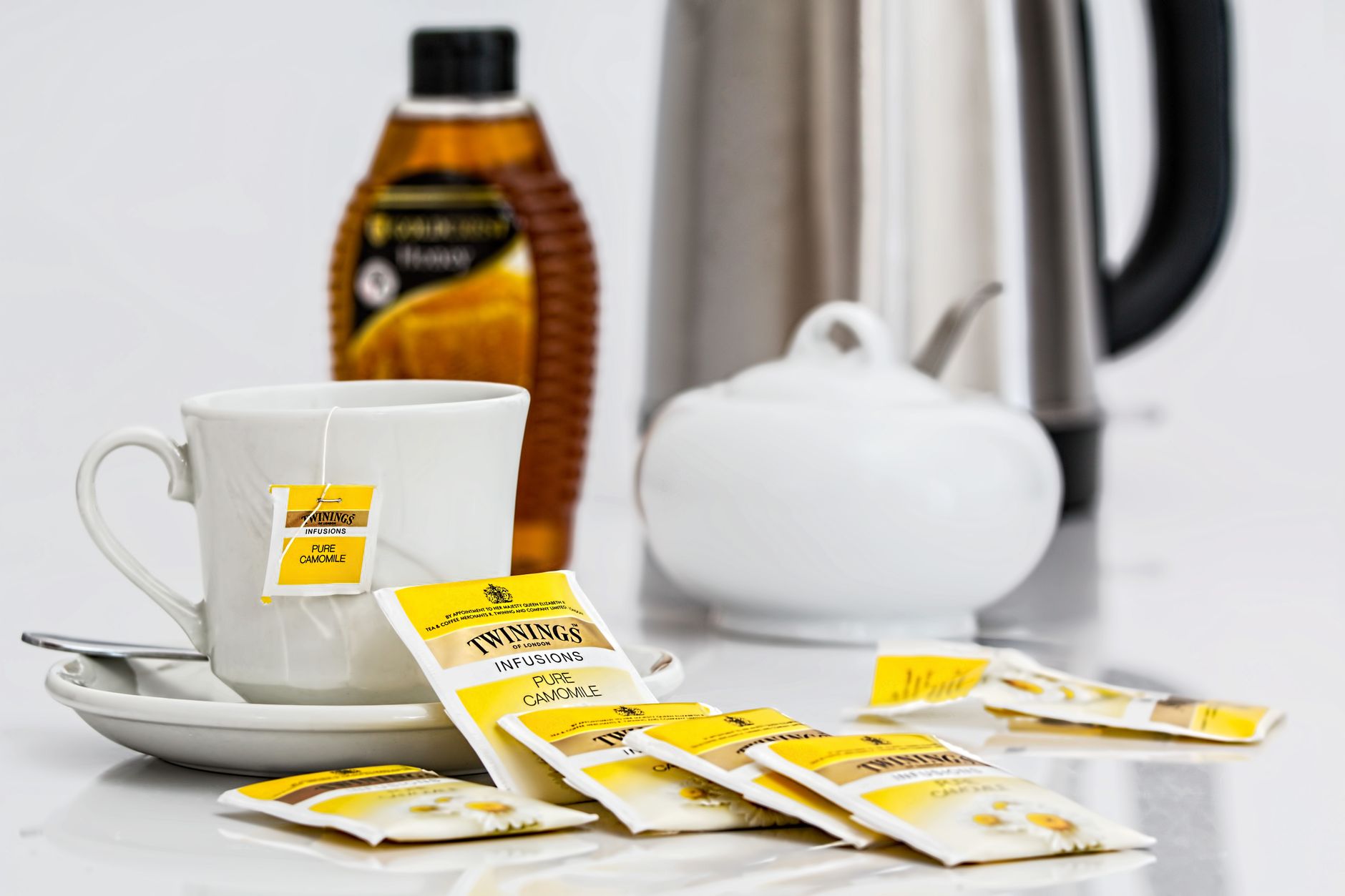
Tea is a beloved beverage worldwide, enjoyed for its variety and health benefits. With the convenience of tea bags, brewing a cup has become easier than ever. However, many tea drinkers wonder how long tea bags last, how to store them properly, and how to maintain their flavor and effectiveness. Understanding these aspects can enhance your tea experience and help you avoid wasting any perfectly good tea.
This article will explore the shelf life of tea bags, factors that affect their longevity, proper storage methods, and tips for ensuring you get the most out of your tea. Whether you’re a casual tea drinker or a dedicated aficionado, this guide will help you make informed choices about your tea bags.
How Long Does Tea Bags Last?
The shelf life of tea bags varies depending on the type of tea and storage conditions. Generally, tea bags can last from six months to two years. Herbal and flavored teas typically have a shorter shelf life, around six months to one year, while black, green, and white teas can last longer due to their lower moisture content.
However, keeping your tea bags stored correctly is essential to maximize their shelf life. Ideally, you should consume your tea bags within six months for optimal freshness, even if they technically remain safe to drink for a longer period.
Factors Affecting the Shelf Life of Tea Bags
Several factors can impact how long your tea bags last, including:
- Type of Tea: Oolong and black teas have a longer shelf life, while herbal and fruity teas typically go stale faster.
- Packaging: Tea bags sealed in airtight packaging tend to last longer than those exposed to air and moisture.
- Storage Conditions: Heat, humidity, and light can degrade tea quality. A cool, dark, and dry environment is ideal.
Proper Storage of Tea Bags
To extend the shelf life of your tea bags and retain their flavor, consider these storage tips:
- Airtight Containers: Store tea bags in airtight containers to protect them from moisture and air. Glass jars or tin containers with tight-fitting lids work well.
- Cool and Dark Places: Keep your tea in a cupboard or pantry away from direct sunlight and heat sources such as stoves or ovens.
- Avoid the Refrigerator: While it may seem like a good idea, storing tea bags in the fridge can expose them to moisture, leading to mold and staleness.
Signs Your Tea Bags Have Expired
Even with proper storage, tea bags can eventually lose their potency. Here are some signs that your tea bags may have expired:
- Off Smell: If your tea bags have lost their aromatic scent or developed an unpleasant smell, it’s best to discard them.
- Color Changes: Discoloration in both the bag and the tea leaves is an indication of age.
- Reduced Flavor: If your tea tastes flat or lacks the expected flavor profile, it might be time to buy fresh tea.
Does Expired Tea Still Hold Health Benefits?
While expired tea bags may not be harmful to consume, they may lose some health benefits. Antioxidants in tea can degrade over time, reducing the potential health benefits associated with regular tea consumption. It’s best to consume tea within the recommended timeframe for the most advantageous effects.
What Happens if You Brew Old Tea Bags?
Using old tea bags can lead to a lackluster brew. The flavor and aroma may not be as pronounced, and you may find that you need to steep the tea for longer to extract any flavor. In some cases, using expired tea bags may lead to a weak or bitter taste. However, brewing them will not cause any harm; they may just lack the intended enjoyment.
Creative Ways to Use Old Tea Bags
If you find yourself with expired tea bags that are still safe to use, consider these creative alternatives:
- Tea-Infused Cooking: Use old green tea bags to flavor rice or vegetables while cooking, adding a hint of flavor without waste.
- Tea in Marinades: Brew used tea bags in your marinades for meats and tofu to impart unique flavors.
- Bath Soaks: Place used tea bags in your bath for a soothing, aromatic soak.
- Plant Fertilizer: Use the contents of used tea bags in the garden as a natural fertilizer, providing nutrients to your plants.
The Different Types of Tea and Their Longevity
Understanding the types of tea and their respective shelf lives can help you make informed choices about your tea consumption. Here’s a breakdown:
- Green Tea: 1-2 years; store in a cool, dark place to preserve flavor.
- Black Tea: 2-3 years; offers robust flavor and longevity.
- Herbal Tea: 6 months to 1 year; more susceptible to staleness due to ingredients.
- White Tea: 1-2 years; delicate flavor profile that benefits from proper storage.
- Oolong Tea: 1-2 years; semi-oxidized, which gives it a unique flavor and good shelf life.
How to Brew the Perfect Cup of Tea
To fully enjoy your tea, brewing it correctly is essential. Follow these steps for an optimal cup:
- Boil Water: Start with fresh, filtered water. Bring it to a boil, taking care to adjust the temperature based on the tea type (e.g., green tea benefits from slightly cooler water).
- Steep Time: Follow package instructions for steeping time, generally 3-5 minutes for black tea and 2-3 minutes for green tea.
- Remove the Bag: Once steeped, remove the tea bag to avoid bitterness.
- Additions: Enhance your tea with honey, lemon, or milk according to personal preference.
Common Mistakes When Brewing Tea
Even experienced tea drinkers can make mistakes. Here are some common errors to avoid:
- Using Water That’s Too Hot: Especially with green and white teas, boiling water can scorch the leaves.
- Over-Steeping: Leaving the tea bag in too long can result in a bitter taste. Set a timer!
- Ignoring Quality: Using old or low-quality tea can lead to subpar flavor. Choose high-quality teas for the best experience.
Health Benefits of Drinking Tea
In addition to its comforting qualities, tea offers numerous health benefits. Some potential advantages include:
- Antioxidants: Tea is rich in antioxidants, which can help reduce oxidative stress in the body.
- Hydration: It contributes to daily fluid intake, helping to keep you hydrated.
- Potential Heart Benefits: Regular tea consumption may contribute to cardiovascular health.
- Boosted Metabolism: Certain teas can aid in weight management efforts when combined with a healthy diet.
Wrap Up
Understanding how long tea bags last and how to store them properly can help you maintain the quality of this beloved beverage. While tea bags can remain usable for varying periods, optimal flavor is best enjoyed when consumed within six months to a year. By paying attention to storage conditions, recognizing signs of expiry, and understanding the basics of brewing, you can maximize your tea experience.
Continue exploring your love for tea with various recipes and techniques. Try refreshing concoctions like peppermint tea or honey lemon tea to elevate your tea-drinking experience.
For more information on delicious beverages, check out our peppermint tea recipe and honey lemon tea recipe.