
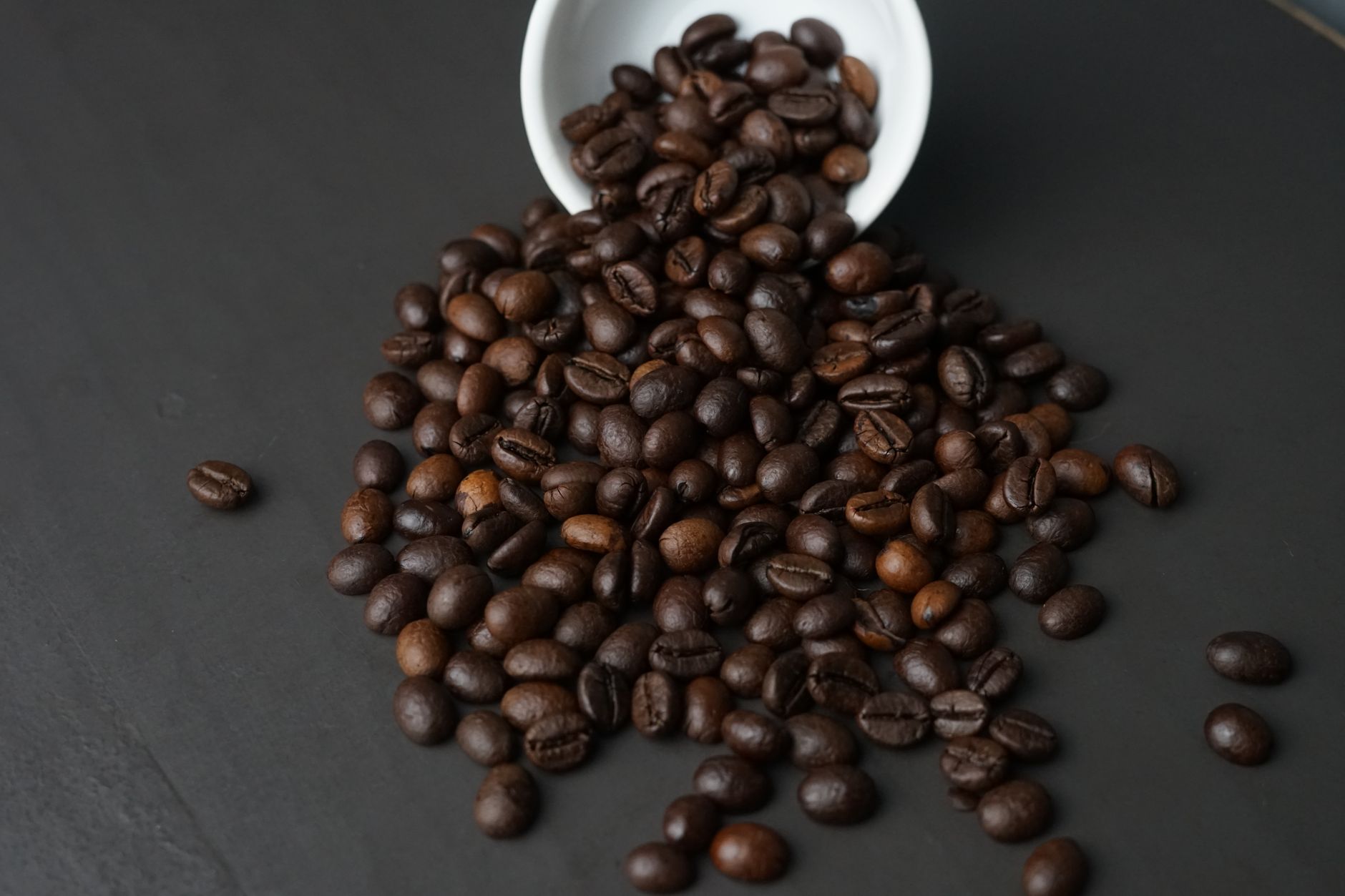
Decaffeinated espresso is an excellent choice for coffee lovers who want to enjoy the rich flavors of espresso without the stimulating effects of caffeine. It allows for the indulgence of a robust, aromatic coffee shot at any hour of the day. In this guide, we will explore how to make decaf espresso, the benefits of choosing decaf, and the tips for brewing the perfect cup.
As more people become aware of their caffeine intake, decaf options have gained popularity. This article will cover everything you need to know about making great decaf espresso, including methods, ideal beans, preparation techniques, and common misconceptions.
Can You Make Decaf Espresso?
Yes, decaf espresso can be made using decaffeinated coffee beans, allowing you to enjoy espresso without the caffeine buzz. The process of making decaf espresso involves using finely ground coffee beans that have had most of their caffeine removed, typically through chemical-free methods. The result is a full-bodied beverage that’s lower in caffeine.
Understanding Decaffeination
Before jumping into the brewing part, it’s essential to understand how decaffeination works. Decaffeination processes focus on removing caffeine while retaining the flavor compounds of coffee beans.
Methods of Decaffeination
There are several common methods for decaffeinating coffee beans:
- Direct Solvent Method: Coffee beans are steamed and then treated with a solvent that extracts caffeine.
- Indirect Solvent Method: This method uses water to extract caffeine, followed by a solvent to remove the caffeine from the water, allowing flavor compounds to remain.
- Swiss Water Process: A chemical-free method where beans are soaked in water, then filtered to remove caffeine while keeping flavors intact.
- Carbon Dioxide Method: Uses pressurized carbon dioxide to selectively extract caffeine from the coffee beans.
Choosing the Right Beans for Decaf Espresso
Selecting high-quality decaffeinated coffee is crucial for making great decaf espresso. The flavor profile can vary significantly based on the origin of the beans and the decaffeination process used.
Flavor Characteristics
When choosing decaf beans, consider these flavor characteristics:
- Arabica Beans: Known for their sweet, fruity flavors and higher acidity. They are often preferred for espresso.
- Robusta Beans: More bitter and earthy with a thicker crema, making them a good choice for espresso blends.
Shopping Tips
When purchasing decaf coffee, look for:
- Single-origin beans for unique flavors.
- Beans marked as Swiss Water Processed for a chemical-free option.
- A roast level you prefer, keeping in mind that darker roasts may generally have a bolder flavor but less complexity.
Equipment Needed for Brew Decaf Espresso
To brew decaf espresso, you will need some specialized equipment:
- Espresso Machine: A machine that can create high pressure to extract espresso shots.
- Coffee Grinder: A burr grinder is preferred for consistent grind size.
- Scale: Accurate measurement of coffee is key for a balanced brew.
- Tamper: To compress the coffee grounds evenly in the portafilter.
- Coffee Beans: Quality decaffeinated beans, as discussed earlier.
Brewing Decaf Espresso: Step-by-Step Guide
Here’s a detailed guide on how to brew decaf espresso:
Preparation Time
This espresso-making process usually takes around 10 minutes.
Ingredients
- 18-20 grams of decaffeinated coffee beans
- Water at approximately 200°F (93°C)
Method
- Grind the Beans: Using a burr grinder, grind your decaf coffee beans to a fine consistency, similar to granulated sugar. This grind size is crucial for proper extraction.
- Measure the Coffee: Weigh out 18-20 grams of ground coffee for a double shot of espresso. The exact amount may vary depending on your taste preferences.
- Preheat the Espresso Machine: Allow your espresso machine to reach the proper temperature. Preheating ensures optimal extraction and flavor.
- Tamp the Grounds: Distribute the coffee evenly in the portafilter and use a tamper to apply firm and even pressure, aiming for a level bed of coffee.
- Insert the Portafilter: Lock the portafilter into the machine’s group head and begin the extraction process.
- Start the Extraction: Watch for a rich syrupy flow to start. Ideally, extraction should take about 25-30 seconds for a double shot.
- Serve and Enjoy: Once extracted, serve the decaf espresso in a pre-warmed espresso cup, and enjoy the rich, aromatic flavors.
Common Mistakes When Making Decaf Espresso
Even experienced baristas can make mistakes. Here are some pitfalls to avoid:
- Incorrect Grind Size: Too coarse a grind will result in under-extraction, leading to a sour taste, while too fine a grind may cause over-extraction and bitterness.
- Inconsistent Tamping: Uneven tamping can lead to channeling, where water flows too quickly through some parts of the coffee bed, resulting in an uneven brew.
- Wrong Temperature: If the water is too hot, it can scorch the coffee; too cold, and it won’t extract properly.
- Not Fresh Beans: Stale decaf beans won’t yield the best flavors. Always use freshly roasted and ground coffee for the best results.
Benefits of Decaf Espresso
Decaf espresso offers various advantages that make it an appealing choice for many coffee drinkers:
Reduced Caffeine Intake
Decaf allows you to enjoy a caffeine-free alternative while still indulging in the espresso experience. This is especially beneficial for those sensitive to caffeine or looking to limit their consumption.
Flavor Exploration
With decaf espresso, you can explore a wide range of coffee flavors without the side effects of too much caffeine. This opens up possibilities for tasting and appreciating the subtleties in different decaf blends.
Less Jitters and Anxiety
For individuals who experience jitters or anxiety from caffeine, decaf espresso eliminates those effects, allowing you to savor your favorite coffee drink without worry.
Enjoyment Beyond Morning
Decaffeinated espresso can be enjoyed at any time of day, providing a comforting and delicious option for coffee lovers.
Serving Suggestions
Decaf espresso can be enjoyed in various ways. Here are a few popular serving suggestions:
- Espresso Con Panna: A shot of decaf espresso topped with whipped cream for a delightful treat.
- Decaf Americano: Add hot water to your decaf espresso for a smoother, milder flavor.
- Decaf Latte: Mix steamed milk with decaf espresso and froth for a creamy beverage.
How to Store Decaf Coffee
Proper storage is essential to maintain the freshness and flavor of your decaf coffee. Follow these tips for optimal storage:
- Keep in an airtight container to avoid exposure to air.
- Store in a cool, dark place away from moisture and heat.
- Avoid freezing if possible; freezing can create moisture issues once thawed.
Making Decaf Espresso at Home vs. Coffee Shops
Brewing decaf espresso at home can be more convenient and cost-effective than regularly purchasing it from coffee shops. Here are some considerations:
- Flavor Control: You can experiment with different beans, grind sizes, and techniques at home to find your perfect cup.
- Cost-Effective: Buying beans in bulk and brewing your espresso can save money over time.
- Convenience: Brewing at home allows you to enjoy your beverage any time without waiting in line.
Conclusion
Decaf espresso offers a wonderful alternative for those looking to enjoy the rich flavors and experience of espresso without the caffeine effects. With the right beans, equipment, and techniques, you can easily make delicious decaf espresso at home.
Now that you know how to make decaf espresso, consider exploring other coffee styles like French Press Cold Brew or learn how to make a refreshing Espresso Tonic for a twist on your favorite drink.