
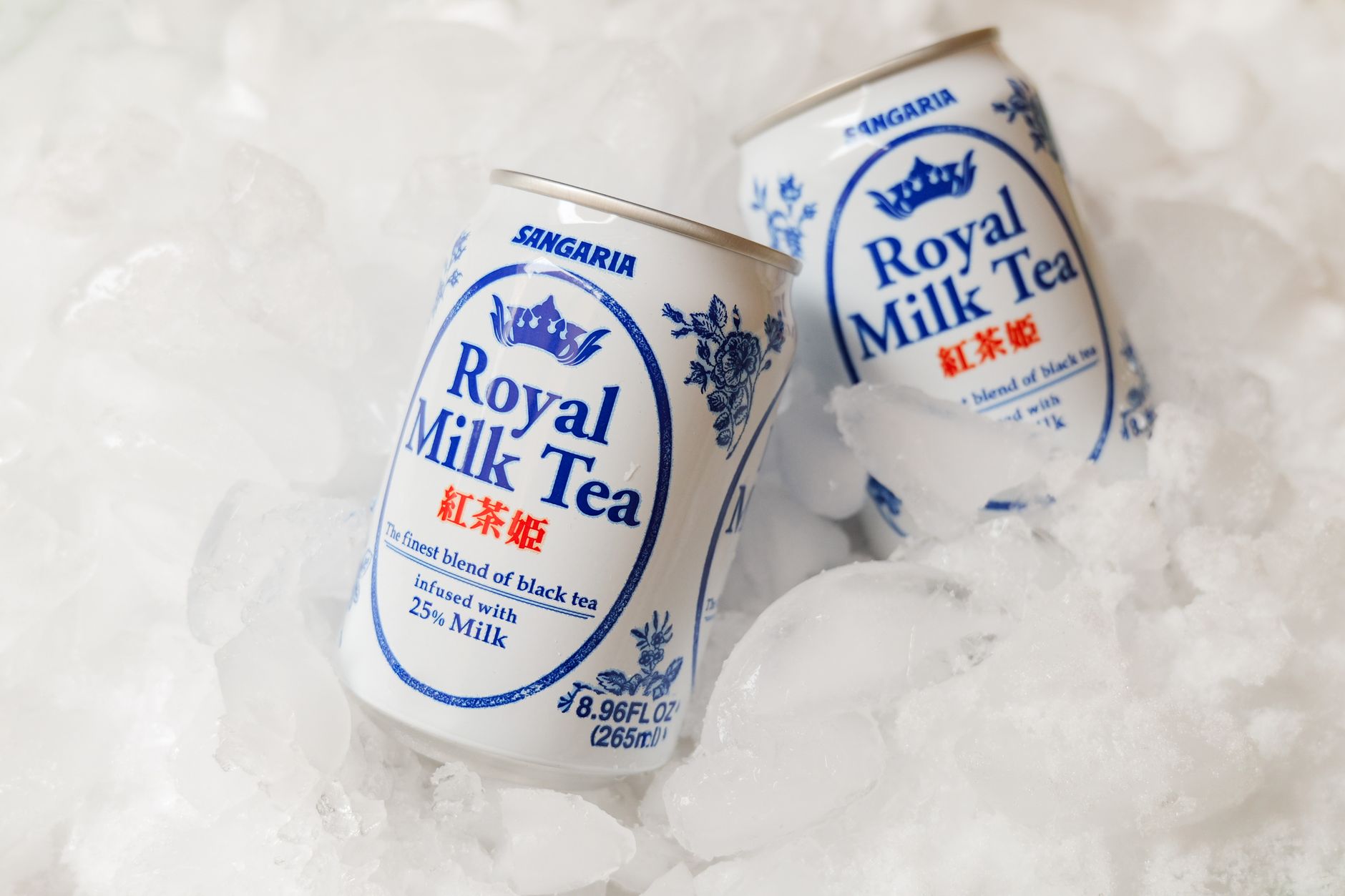
Tea is one of the most popular beverages around the world, renowned for its versatility and myriad flavors. One question that arises frequently is whether people put milk in tea. This article explores the ever-popular practice of adding milk to tea, highlighting cultural variations and considerations to keep in mind when preparing this timeless drink.
This comprehensive guide will uncover the reasons behind adding milk to tea, the types of tea commonly paired with milk, preparation methods, and tips for enjoying the perfect cup, whether you are a seasoned tea drinker or a curious newcomer.
Do People Put Milk In Tea?
Yes, many people, especially in countries like the UK and India, traditionally add milk to their tea. The practice enhances the flavor profile, adds creaminess, and can soften the bitterness of stronger brews. The type of tea and personal preference largely influence this decision.
Historical Context of Milk in Tea
The practice of adding milk to tea has a rich history that can vary significantly by region. In the UK, the tradition emerged in the 18th century as a way to protect delicate porcelain cups from cracking caused by boiling hot tea. In India, tea is brewed with milk, spices, and sugar, leading to the beloved masala chai.
Understanding the historical significance can deepen your appreciation for this beverage and influence how you choose to prepare your own. Different cultures have developed unique methods and rituals surrounding the preparation of milk tea, firmly integrating it into their culinary practices.
Types of Tea Commonly Paired with Milk
Not all teas are suitable for pairing with milk. Here, we explore the types of tea that are most popularly enjoyed with this creamy addition:
- Black Tea: Varieties such as Assam, Darjeeling, and English Breakfast are commonly enhanced with milk. Black tea, with its robust flavor, provides a solid base for creaminess.
- Masala Chai: This spiced Indian tea is traditionally brewed with milk, offering a rich and aromatic experience with spices like cardamom and ginger.
- Earl Grey: A fragrant black tea infused with bergamot whose flavor can be beautifully complemented by milk.
Why Add Milk to Tea?
The decision to add milk to tea hinges on several factors, including flavor, texture, and personal preferences. Here are some key reasons:
Flavor Enhancement
Milk can soften the astringency and bitterness of strong black teas. It contributes a subtle sweetness and richness, making the overall drinking experience smoother.
Creaminess and Texture
Adding milk introduces a creamy texture that many tea drinkers find comforting. The silky mouthfeel can enhance the experience of sipping tea, particularly during colder months.
Cultural Tradition
In various cultures, serving tea with milk has become a tradition. For example, in the UK, milk is often added to tea at different stages, and in India, chai is synonymous with milk.
How to Properly Prepare Milk in Tea
Here is a simple, step-by-step guide to preparing tea with milk, ensuring you achieve the best flavor and consistency:
Ingredients Needed
- Tea leaves or tea bags (black tea or preferred variety)
- Water (about 1 cup per serving)
- Milk (whole, skim, or non-dairy as per preference)
- Sweetener (sugar, honey, or alternative, optional)
Essential Equipment
- Teapot or saucepan
- Tea infuser or strainer (if using loose tea)
- Cup or mug
- Measuring cup
Step-by-Step Instructions
- Boil water in a teapot or saucepan to the appropriate temperature for the type of tea you are using (around 200°F for black tea).
- Add tea leaves or bags to the boiling water and let steep for 3-5 minutes, depending on the strength desired.
- In a separate container, heat the milk until it is warm but not boiling.
- Remove the tea from heat and strain it to remove tea leaves, if necessary.
- Pour the desired amount of warm milk into your tea. The typical ratio is approximately 1 part milk to 2-3 parts tea; adjust according to taste.
- Add sweetener if desired, and stir gently.
- Serve immediately and enjoy!
Common Mistakes When Adding Milk to Tea
While the process is straightforward, a few common mistakes can take away from the quality of your tea:
- Using boiling milk: This can lead to curdling, particularly with lower-fat milk. Warm the milk instead.
- Adding too much milk: It can overpower the tea’s flavor. Start with a smaller amount and adjust according to personal taste.
- Forgetting about steeping time: Oversteeping tea can result in bitterness. Keep an eye on the clock.
Alternatives and Variations
If traditional milk doesn’t suit your dietary needs or preferences, there are plenty of alternatives that work well in tea. These substitutions not only cater to different dietary restrictions but also offer new flavors and textures.
- Non-Dairy Milk: Almond, soy, oat, and coconut milk can all be used as substitutes. These options may alter the flavor slightly, so choose one that complements the type of tea.
- Condensed Milk: Popular in some Asian cultures, it adds sweetness and richness. Use sparingly to avoid overwhelming the tea.
- Flavored Creamers: Infused creamers can enhance your tea with a unique taste, especially in seasonal variations.
Personalizing Your Milk Tea Experience
There are endless possibilities when it comes to personalizing your milk tea. Here are a few suggestions:
- Add spices: Cardamom, cinnamon, and vanilla can enhance flavors in your tea.
- Experiment with temperatures: Consider serving tea with cold milk for an iced version.
- Dabble with flavors: Infuse your tea blends with additional flavors such as citrus or floral notes.
Classic Recipes Featuring Milk in Tea
Here are some classic recipes to try if you want to explore how milk can enhance different types of tea:
Earl Grey with Milk
Use the method mentioned above. Earl Grey is a black tea with hints of bergamot, which pairs well with milk.
For an extra twist, you might consider trying an Earl Grey milk tea recipe for a unique flavor experience.
Chai Latte
Chai, with its blend of spices, becomes a treat when paired with milk. The process is similar; steep the spices with your black tea, add milk, and sweeten to taste. For variations on this recipe, check out this Chai Tea Latte recipe.
Storage and Reheating Tips
Milk tea is best enjoyed freshly made but can be stored in the refrigerator for a day. If reheating, avoid boiling, as this can alter texture and flavor. Instead, gently warm it in a saucepan or microwave. Always be cautious of not reheating milk-based beverages to high temperatures.
Final Thoughts on Milk in Tea
The question of whether to put milk in tea comes down to personal preference and cultural tradition. Whether you enjoy the creaminess that milk offers or prefer your tea served black, understanding the options and methods allows you to tailor your tea experience perfectly.
For a delightful twist on classic tea, try experimenting with various blends and accompaniments to create a unique beverage that suits your specific tastes. Embrace the tradition, customize to your liking, and enjoy every sip!
Explore more tea-related recipes, cooking tips, and brewing guides to enhance your tea experience and broaden your culinary skills. From unique recipes to essential brewing techniques, there’s always something new to discover in the world of tea.