
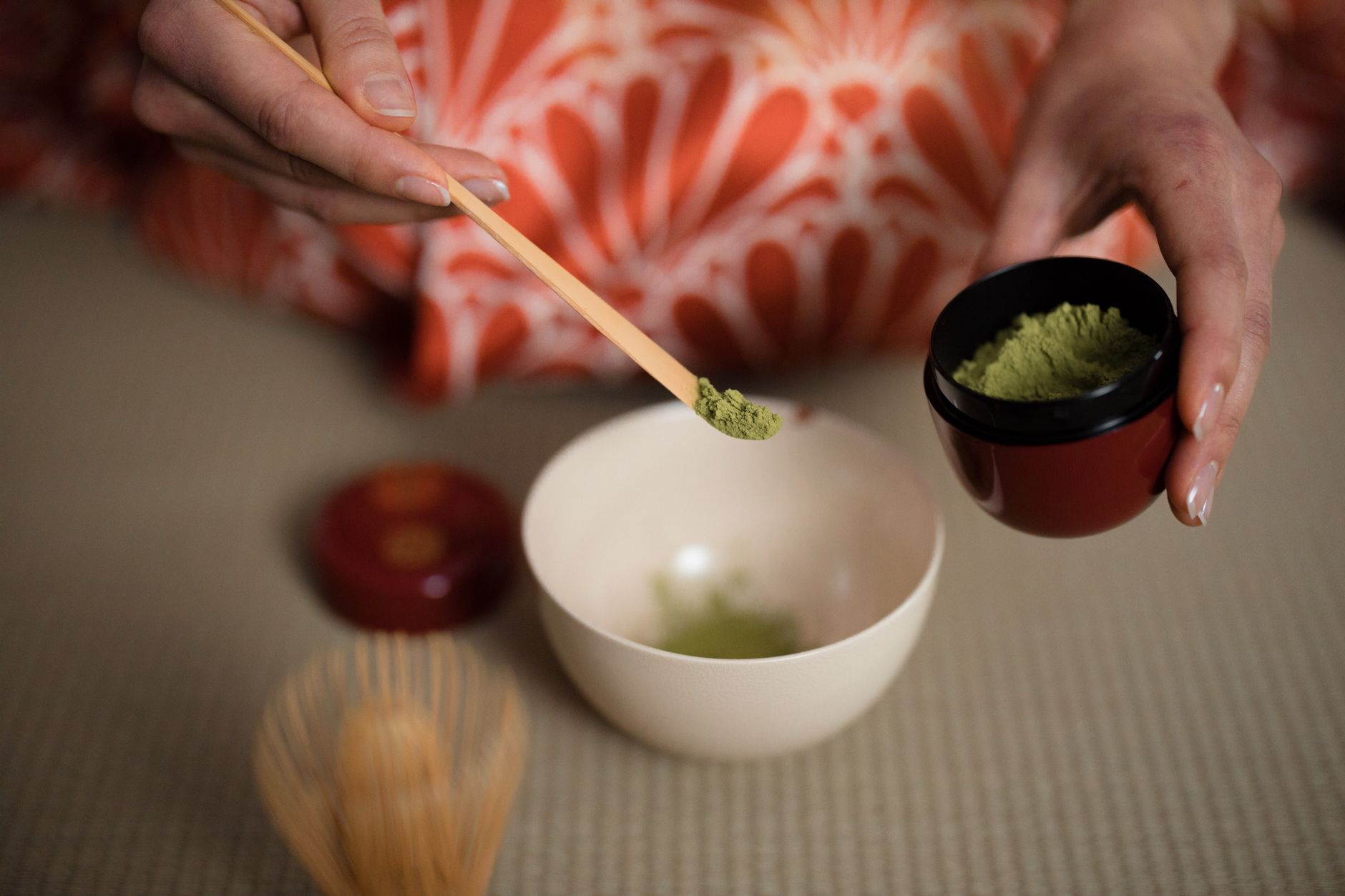
Matcha, a finely ground green tea powder, has gained immense popularity over the past few years due to its vibrant color and rich taste. Many consumers embrace matcha for its numerous health benefits, including antioxidants and potential energy-boosting effects. However, one intriguing question emerges for those who enjoy this green elixir: can matcha make your poop green? This article delves into the relationship between matcha and digestive health, providing clear insights and practical information.
Understanding the effects of matcha on your digestive system not only sheds light on why your stool may change color but also highlights the importance of this unique ingredient in your diet. From its rich composition to its various uses, you’ll discover everything you need to know about matcha and its influence on your bowel movements.
Can Matcha Make Your Poop Green?
Yes, consuming matcha can lead to green stool. This color change is primarily due to the chlorophyll content in matcha, which gives it its distinctive green hue. When ingested, chlorophyll can pass through the digestive system and impact the color of your stool. However, there are several factors that can influence why this might happen, including how much matcha you consume and how your body processes it.
What is Matcha?
Matcha is made from specially grown green tea leaves that are shaded from direct sunlight before harvest. This unique growing method increases the chlorophyll content and enhances the leaves’ amino acid profile. The leaves are then meticulously dried and ground into a fine powder, resulting in the vibrant green powder known as matcha. This form of tea has a slightly grassy, umami flavor, making it versatile for various culinary uses.
Flavor and Texture
Matcha has a creamy texture when whisked properly and boasts a complex flavor profile that includes grassy, nutty, and slightly sweet notes. Its unique taste makes it desirable for drinks, desserts, and savory dishes. The luscious green color also adds vibrant appeal to any meal!
Why Does Matcha Change Stool Color?
When matcha is consumed, the chlorophyll content plays a significant role in the resultant color of your stool. Chlorophyll is a green pigment found in plants, crucial for photosynthesis, and is abundant in matcha. As chlorophyll moves through your digestive system, it can contribute to the green color of your poop.
There are several factors that might influence the extent of this color change:
- Quantity Consumed: A higher intake of matcha may lead to more chlorophyll in your system, potentially resulting in greener stool.
- Individual Digestive Health: How efficiently your body processes food can also affect stool color. Everyone’s digestive system reacts differently.
- Consumption of Other Ingredients: Often, matcha is mixed with milk or other flavorings, which might affect the final color. Combining matcha with other ingredients could result in a different hue.
Potential Health Impact of Seeing Green
While seeing green stool after consuming matcha can be surprising, it is generally not a cause for concern. Here’s what you need to know about the health implications:
Normal vs. Abnormal Stool Color
Green stool is not inherently abnormal. It often indicates that food has moved through your digestive tract too quickly or that you have consumed a substantial amount of green foods, like matcha. However, there are instances where green stool may signal an underlying issue, particularly if it persists or is accompanied by other symptoms, such as:
- Diarrhea
- Stomach cramps
- Fatigue
- Nausea
These symptoms may warrant a consultation with a healthcare professional to rule out potential gastrointestinal issues.
How to Incorporate Matcha into Your Diet
Incorporating matcha into your daily routine can enhance your diet and provide various flavors and textures. Here are some popular ways to enjoy matcha:
Matcha Beverages
One of the most common ways to consume matcha is as a beverage. Here are a few ideas:
- Matcha Latte: Whisk together matcha powder with hot water and steamed milk.
- Matcha Lemonade: Combine matcha with fresh lemon juice, sweetener, and water for a refreshing drink. [Check out this recipe for a delicious twist.]
- Matcha Smoothies: Blend matcha powder with fruits and greens for a nutrient-rich smoothie.
Baked Goods and Desserts
Matcha’s vibrant color and unique flavor make it perfect for baked goods and desserts:
- Matcha Cookies: Incorporate matcha into cookie recipes for a colorful treat.
- Matcha Cakes: Add matcha to cake batters for visually stunning desserts.
- Matcha Ice Cream: Use matcha powder in ice cream recipes for an indulgent frozen treat.
Cooking with Matcha
Beyond beverages and desserts, matcha can be used in various savory dishes:
- Matcha-infused Rice: Add matcha powder to rice cooking water for a visually appealing side dish.
- Salad Dressings: Whisk matcha powder with olive oil, vinegar, and other seasonings for unique salad dressings.
How Much Matcha Should You Consume?
While matcha can offer numerous health benefits, moderation is key to prevent any adverse effects. Generally, 1 to 2 teaspoons of matcha powder per day (approximately 2 to 4 grams) is a common recommendation for most people. However, your individual tolerance may vary.
Practical Tips for Using Matcha
Here are some tips to ensure you enjoy matcha properly and safely:
- Choose High-Quality Matcha: Look for ceremonial or culinary grade matcha, depending on your intended use. Ensure it is organic to minimize pesticide exposure.
- Whisk Properly: To avoid clumps, try whisking matcha powder with hot water using a bamboo whisk, known as a chasen.
- Combine Wisely: When making lattes or smoothies, pairing matcha with milk or plant-based milk can enhance its flavor and texture.
Common Misconceptions about Matcha
There are a few myths surrounding matcha that often cause confusion:
Myth 1: Matcha is High in Caffeine
While matcha does contain caffeine, it has less caffeine than coffee. The unique combination of caffeine and L-theanine in matcha creates a calming, focused energy without the jitters associated with coffee.
Myth 2: All Matcha is Created Equal
Matcha quality varies significantly. Ceremonial grade matcha is of higher quality than culinary grade, the latter being used for baking and cooking.
When to Seek Medical Attention
While the occasional green stool due to matcha consumption is typically nothing to worry about, it’s essential to remain vigilant regarding other symptoms. If you experience ongoing changes in your bowel movements, consider consulting a healthcare professional, especially if coupled with:
- Blood in the stool
- Severe abdominal pain
- Persistent diarrhea or constipation
Storage and Longevity of Matcha
Properly storing matcha is crucial to retain its freshness and vibrant color. Follow these tips:
- Keep it Sealed: Store matcha in an airtight container to prevent oxidation.
- Refrigeration: For optimal freshness, storing matcha in the refrigerator can help prolong its shelf life.
- Avoid Light and Heat: Keep matcha away from direct sunlight and heat sources.
When stored correctly, matcha can last up to six months, though it is best consumed within three months for peak quality.
Conclusion
Consuming matcha is associated with various potential health benefits, but one noticeable side effect can be the green color of your stool. This is primarily due to its high chlorophyll content and is usually harmless. By incorporating matcha into your diet mindfully and understanding your body’s responses, you can enjoy all that this vibrant ingredient has to offer.
For more delightful ways to incorporate matcha into your lifestyle, check out the refreshing Starbucks Lavender Matcha recipe or mix things up with our Matcha Lemonade recipe. Explore the versatility of matcha in your everyday meals!