
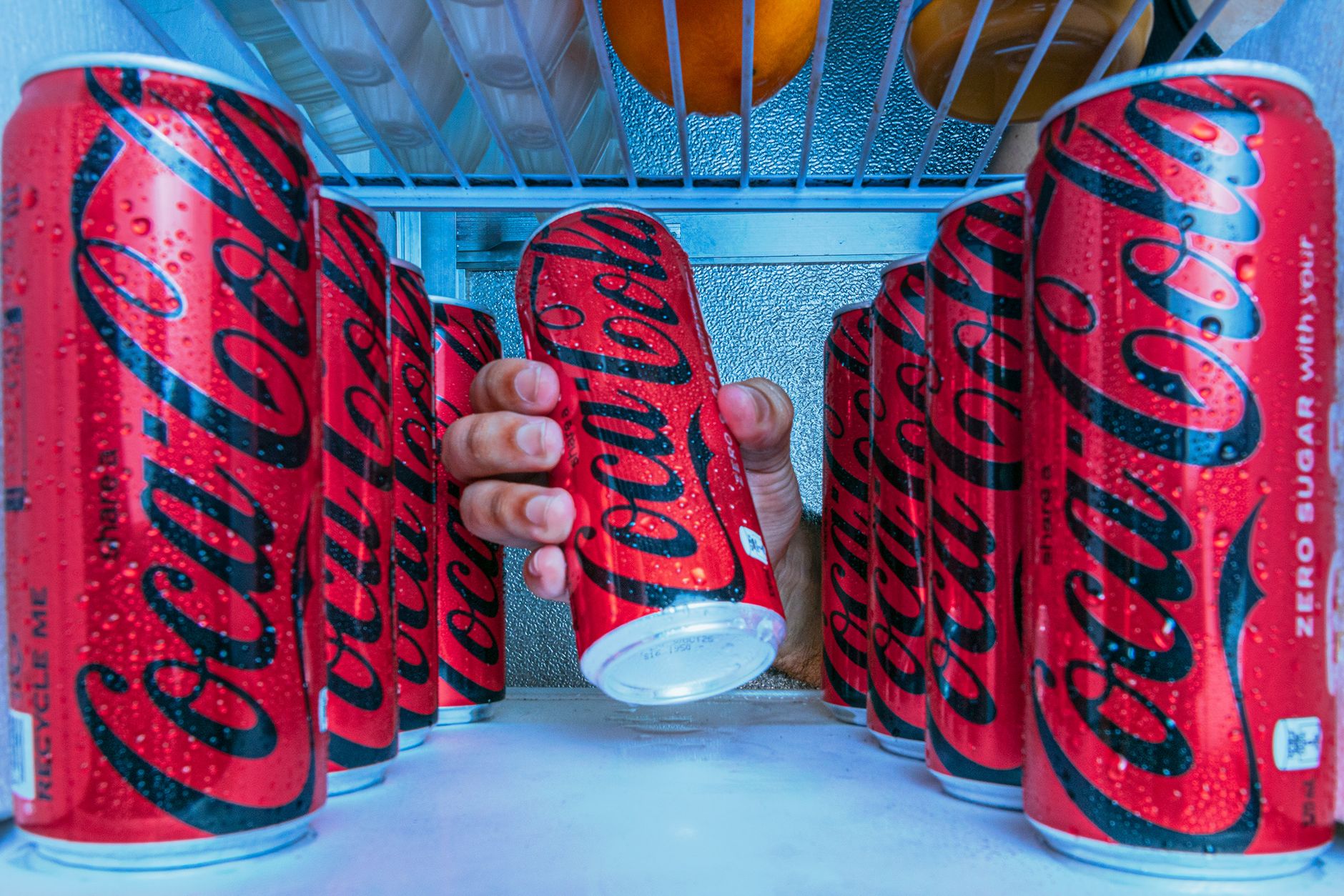
Coke Zero and Diet Coke are two of the most popular sugar-free sodas produced by The Coca-Cola Company. While they may seem similar at first glance, there are significant differences between them in terms of taste, ingredients, and branding. Understanding these differences can help consumers make more informed choices about which beverage best suits their tastes and needs.
In this article, we will explore the variations between Coke Zero and Diet Coke, examining their ingredients, flavor profiles, marketing strategies, and nutritional content. By the end, you’ll have a clearer understanding of whether these two beverages are indeed the same or just marketed that way.
Is Coke Zero and Diet Coke the Same?
No, Coke Zero and Diet Coke are not the same. They differ primarily in taste and formulation. Coke Zero is designed to taste more like regular Coca-Cola, while Diet Coke has its distinct flavor profile. Additionally, the sweeteners used in each beverage vary, contributing to their unique taste experiences.
Ingredients Breakdown: What’s Inside Each Beverage?
Understanding what goes into these two sodas can clarify how they differ. Here’s a detailed look at the ingredients used in Coke Zero and Diet Coke:
Coke Zero Ingredients
- Carbonated Water
- Caramel Color
- Phosphoric Acid
- Natural Flavors
- Caffeine
- Acesulfame Potassium (Ace-K)
- Aspartame
Diet Coke Ingredients
- Carbonated Water
- Caramel Color
- Phosphoric Acid
- Natural Flavors
- Caffeine
- Citric Acid
- Acesulfame Potassium (Ace-K)
- Aspartame
Flavor Profiles: What Sets Them Apart?
The taste is perhaps the biggest differentiator between Coke Zero and Diet Coke. Let’s break down their flavor profiles to see how they compare:
Coke Zero Flavor Profile
Coke Zero Sugar is formulated to deliver a taste that closely resembles the original Coca-Cola. This is achieved through a blend of sweeteners and flavorings that aim to replicate the classic Coca-Cola flavor without the sugar. Many consumers note that Coke Zero has a bolder, richer flavor profile than Diet Coke, with a hint of vanilla and caramel notes that evoke the essence of traditional Coke.
Diet Coke Flavor Profile
Diet Coke, on the other hand, has a distinct taste that is quite different from Coca-Cola. It features a lighter, crisper flavor profile and is often described as having a more refreshing taste. The absence of certain flavorings found in regular Coke gives Diet Coke its unique edge, but it may not satisfy those who prefer the classic Coke flavor. As a result, Diet Coke appeals to those looking for a distinctive soda experience.
Sweeteners: The Key to Their Distinct Taste
Both beverages utilize artificial sweeteners to achieve their sugar-free profiles, but the composition and ratios of these sweeteners differ:
Coke Zero Sweeteners
Coke Zero primarily uses a combination of aspartame and acesulfame potassium. This combination is designed to provide a sweetness level that mimics the sweetness of sugar while keeping the caloric content at zero. The blend helps to achieve that closer-to-Coca-Cola flavor, which many consumers favor.
Diet Coke Sweeteners
Similar to Coke Zero, Diet Coke also contains aspartame and acesulfame potassium. However, its formulation with sweeteners produces a different taste overall, contributing to its unique flavor profile. This sweetness is perceived differently than in Coke Zero, which could be attributed to the varying ratios of sweeteners or the absence of certain flavorings present in Coke Zero.
Marketing and Brand Positioning
The marketing strategies for Coke Zero and Diet Coke also help shape consumer perceptions and expectations.
Coke Zero Marketing
Coke Zero has been marketed as a “zero sugar” alternative to the classic Coke. Its branding often emphasizes the taste close to regular Coke, appealing to those who want the indulgent experience without the calories. Marketing campaigns frequently highlight its flavor similarity to Coca-Cola, often featuring lifestyle-oriented advertisements showcasing active, youthful consumers.
Diet Coke Marketing
Diet Coke is marketed more towards health-conscious individuals, often portraying an image of refreshing energy and sophistication. Its branding appeals to a broader audience, especially those looking for a lighter beverage without mentioning any direct comparisons to the classic Coke. Advertisements for Diet Coke frequently emphasize its unique taste and the lifestyle choices associated with a calorie-controlled diet.
Caloric and Nutritional Information
One of the reasons people turn to these sodas is for their low-calorie count. Here’s a comparison of their nutritional information:
Coke Zero Nutrition
| Nutrient | Amount Per 12 fl oz (355 mL) |
|---|---|
| Calories | 0 |
| Sodium | 40 mg |
| Total Carbohydrates | 0 g |
Diet Coke Nutrition
| Nutrient | Amount Per 12 fl oz (355 mL) |
|---|---|
| Calories | 0 |
| Sodium | 40 mg |
| Total Carbohydrates | 0 g |
Both beverages contain zero calories and carbohydrates, with a negligible amount of sodium. Thus, the choice between the two largely hinges on flavor preferences rather than nutritional concerns.
Common Misconceptions
Due to their similar appearances and marketing, several misconceptions about Coke Zero and Diet Coke often arise:
Misconception: They are the Same Beverage
This is perhaps the most common misconception. While they share some ingredients, the taste and overall experience differ considerably, appealing to different consumer bases.
Misconception: Both are Completely Healthy Alternatives
While both drinks are low in calories and sugar-free, it’s important to remember that consumption of artificial sweeteners should be moderated, and they are not necessarily a “healthy” option in large quantities.
Which One Should You Choose?
The choice between Coke Zero and Diet Coke ultimately comes down to personal taste preferences. If you’re looking for a beverage that closely mimics Coca-Cola without the sugar, Coke Zero is likely your best bet. Conversely, if you prefer a lighter, crisper taste, you might find Diet Coke more appealing.
Additionally, you may want to consider your sensitivity to aspartame or any dietary restrictions you might have. It’s essential to be aware of what you are consuming and how it fits into your overall diet.
Conclusion
Coke Zero and Diet Coke are not the same; they are two distinct beverages designed to cater to varying taste preferences and dietary needs. By understanding their differences in flavor, ingredients, and marketing strategies, you can choose the option that aligns best with your personal taste and lifestyle.
For those interested in exploring more refreshing beverage options, consider trying unique twists on classic soda drinks. Explore recipes like a Rum and Coke or Jack and Coke for some fun beverage ideas to enhance your culinary repertoire.