
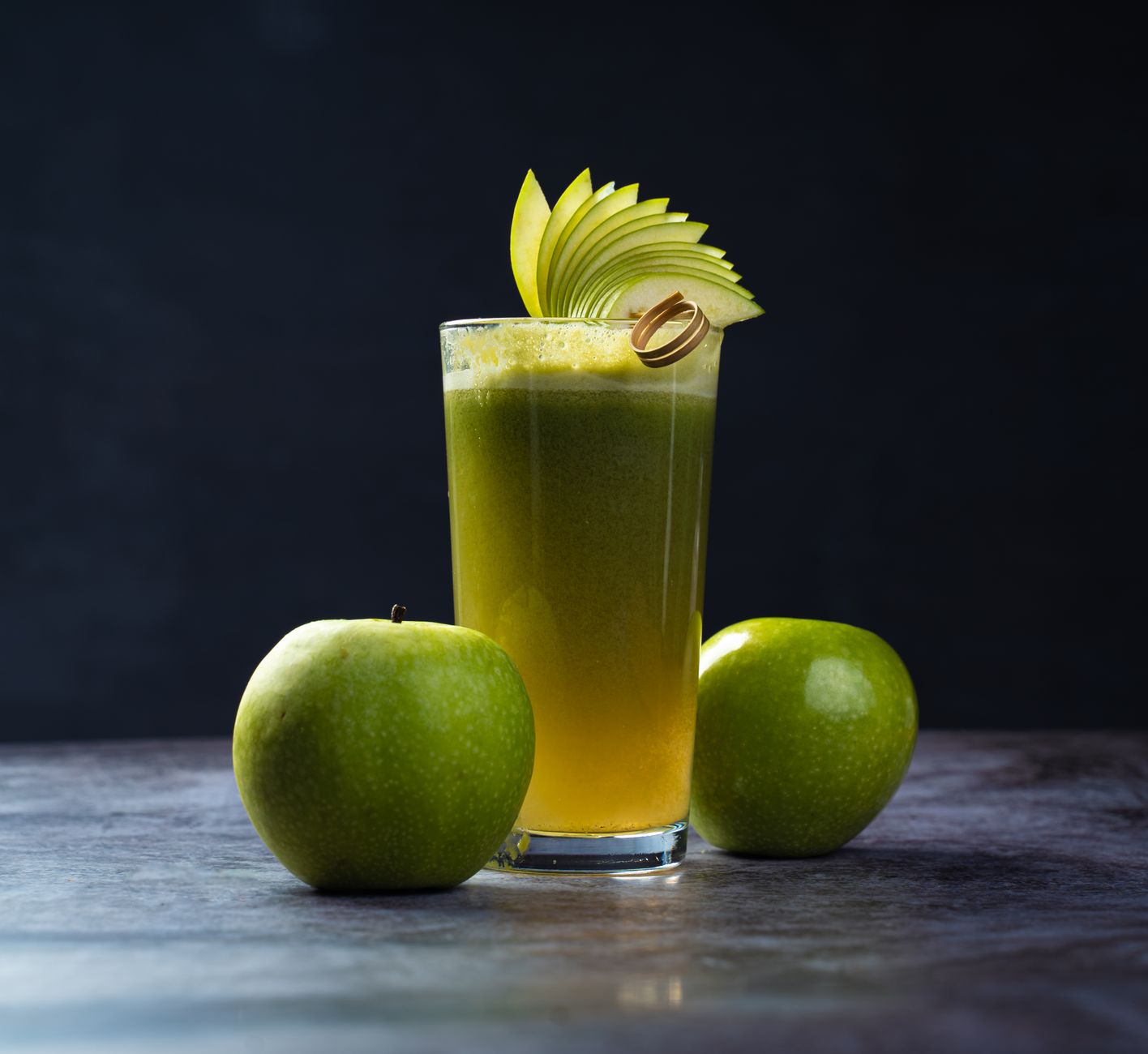
Apple juice can be an enigmatic drink for some when it comes to its appearance. While we often expect it to feature a particular hue, the reality is far more varied. The color of apple juice can range from light yellow to rich amber, depending on factors such as the apple variety, processing methods, and storage conditions.
This article delves into everything you need to know about the color of apple juice: what influences its color, why it matters, and how different types of apple juice vary in appearance. Understanding these aspects can enhance your appreciation for this beloved beverage, whether you buy it from the store or choose to make your own at home.
What Color Is Apple Juice?
The color of apple juice typically varies from pale yellow to deep amber. This wide range of colors is influenced by several factors, including the type of apples used, the juicing process, and how the juice is handled post-production. While light yellow apple juice suggests a sweeter, less acidic flavor profile, darker apple juice may have more complexity and depth.
Factors Influencing the Color of Apple Juice
Understanding the various aspects that influence the color of apple juice can enhance your knowledge and appreciation of this popular drink.
1. Type of Apples
The variety of apples used to produce juice is one of the primary factors affecting its color. Different apple types yield different hues:
- Golden Delicious: Tends to produce a light yellow juice that is sweet and mild.
- Granny Smith: Often yields a clearer juice with a greenish tint, known for its tartness.
- Fuji: This variety gives off a richer, deeper amber juice with sweeter notes.
- Honeycrisp: Produces a bright yellow hue, known for its refreshing taste.
2. Juicing Process
The method used to extract juice from the apples also impacts its color. Freshly squeezed juice tends to retain a fresher look, often appearing clearer and lighter. In contrast, juice obtained from apples that are cooked or processed can take on a darker shade.
- Cold-pressed Juice: Often results in a cloudy appearance, typically lighter in color.
- Heat-treated Juice: Can have a deeper color due to the Maillard reaction that occurs during the heating process, which introduces caramelization.
3. Oxidation
Oxidation is a natural process that occurs when apple juice is exposed to air. It can lead to browning, often resulting in a darker color over time. Commercial apple juices often include ascorbic acid (Vitamin C) to reduce oxidation and maintain a more desirable color.
4. Pulp and Filtration
Juices that contain more pulp tend to appear darker and cloudier, while filtered apple juice appears clearer and lighter in color. The degree of filtration can greatly impact not only color but also the flavor profile of the juice.
Why Does Color Matter?
While color may seem superficial, it can offer valuable insight into the texture and flavor profile of apple juice. Here’s why understanding color is beneficial:
- Taste Expectation: A lighter-colored apple juice is often associated with a sweeter flavor, while darker hues may suggest a more complex or tart taste.
- Quality Indicators: Certain shades can indicate whether the juice is fresh or has undergone excessive processing.
- Visual Appeal: Presentation matters, especially when serving apple juice in mixed drinks or during meals. Understanding color can help guide selection.
Varieties of Apple Juice
Apple juice is not one-size-fits-all; various styles and preparations exist that showcase a range of colors and flavors. Here are some popular varieties:
1. Clear Apple Juice
This type features a bright, transparent appearance with a light yellow hue. Clear apple juice is typically filtered to remove pulp and sediment, resulting in a smooth and refreshingly sweet flavor.
2. Cloudy Apple Juice
Cloudy apple juice has a darker color and is less processed, maintaining more of the apple’s natural pulp. It’s known for its robust flavor and is often perceived as healthier because it retains more nutrients and fiber.
3. Organic Apple Juice
Produced from organically grown apples, this juice might be unfiltered or minimally processed. Organic apple juices can range from light to dark shades and usually have a more intense flavor profile due to the absence of artificial additives.
4. Cider
Often confused with apple juice, cider has a darker, more robust color and flavor. It is typically unfiltered and can include a variety of apple types, resulting in a complex taste that many apple juice products do not have.
Making Your Own Apple Juice
Creating your own apple juice at home is a rewarding experience that allows you to control the ingredients and the color of the final product. Here’s a simple guide on how to do it:
Ingredients
- Apples (any variety, approximately 4-5 pounds for a quarts of juice)
- Water (optional, depending on desired consistency)
- Sugar (optional, for sweetness)
Essential Equipment
- Juicer or blender
- Strainer or cheesecloth
- Large pot (if using a blender)
- Containers for storage
Method
- Wash and core the apples, removing any blemishes.
- Cut the apples into quarters. If using a blender, you may want to add a bit of water to help with blending.
- Juice the apples using a juicer, or blend in batches if using a blender.
- If using a blender, pour the blended mixture through a strainer or cheesecloth to separate the juice from the pulp.
- Taste the juice and add sugar if desired for sweetness.
- Pour the juice into containers, and store it in the refrigerator for up to one week.
Common Mistakes When Making Apple Juice
When preparing homemade apple juice, there are some common pitfalls to avoid:
- Using the Wrong Apple Varieties: Choosing overly tart or weak-flavored apples can significantly affect the taste.
- Not Straining Properly: Insufficient straining can result in overly pulpy juice, which some may not prefer.
- Not Tasting: Failing to taste before adding sugar can lead to unexpectedly sweet or bland juice.
Storage and Shelf Life of Apple Juice
Apple juice should be stored properly to maintain its quality and freshness. Here are some guidelines:
- Refrigerate: Store homemade apple juice in the refrigerator and consume it within one week.
- Freeze: You can freeze apple juice in airtight containers for up to six months for longer storage. Be sure to leave space for expansion.
Apple Juice in Mixology
Apple juice is a versatile ingredient in cocktails and mixed drinks. Its natural sweetness and flavor can complement a wide range of spirits. Here are some beverage ideas:
1. Apple Juice Mimosa
A refreshing take on the classic mimosa can be made by mixing equal parts apple juice and champagne. The sweetness of the juice contrasts nicely with the bubbly drink.
2. Autumn Apple Cocktail
Combine apple juice with bourbon and a splash of ginger syrup for a delightful fall-inspired cocktail. Garnish with a cinnamon stick or apple slice.
3. Apple Fizz
A non-alcoholic option includes mixing apple juice with sparkling water, lime juice, and mint for a refreshing summer drink.
Conclusion
Understanding the color of apple juice enhances your overall appreciation for this beverage. The range of hues indicates varied flavors, apple varieties, and processing methods. Whether you choose to enjoy a glass straight or mix it into a cocktail, knowing what influences the color can help you make informed choices in your apple juice selection.
For those interested in making your own apple juice, take your time to select the right apples and enjoy the process. You can also explore homemade apple juice recipes or learn about making green apple juice for different flavor profiles.
For more culinary exploration, consider checking out our homemade apple juice recipe or discover the refreshing taste with our green apple juice recipe.