
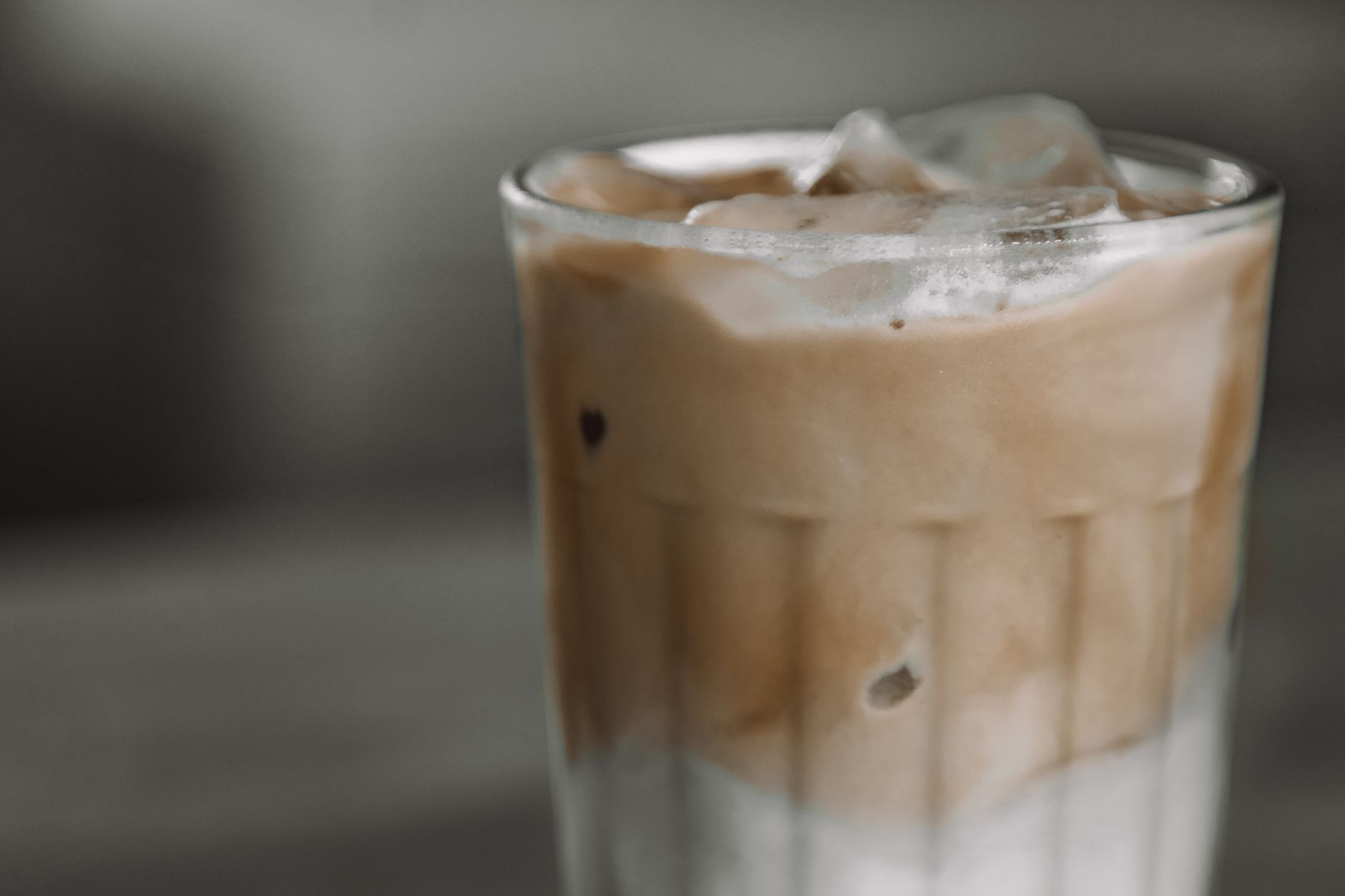
Fasting has gained popularity in various forms, including intermittent fasting, religious fasting, and detox diets. Many people wonder whether they can consume coffee during these periods. This inquiry can lead to confusion, especially given the different methods of fasting and their associated guidelines.
This article will explore the impact of coffee on fasting, examining its effects on the body, potential benefits, and guidelines for incorporating it into a fasting regimen. Whether you’re curious as a beginner or seeking more insights on your fasting journey, this comprehensive guide will provide clarity.
Can You Have Coffee When Fasting?
Yes, you can have coffee when fasting, especially during intermittent fasting. Black coffee typically contains no calories, making it compatible with most fasting methods. However, how coffee affects your fasting experience may vary based on individual tolerance and fasting goals.
What Is Fasting?
Fasting involves voluntarily abstaining from food or drink for a specified period. There are several types, including:
- Intermittent Fasting: Cycling between periods of eating and fasting, often in time windows like 16/8 (16 hours fasting, 8 hours eating).
- Water Fasting: Consuming only water for a set time.
- Religious Fasting: Observances rooted in various faiths, often with specific food restrictions.
- Detox Fasting: Aimed at cleansing the body with specific diets or drinks.
The Role of Coffee in Fasting
When considering coffee during a fast, it’s essential to understand its components and effects:
1. Caloric Content
Black coffee is typically calorie-free, making it an acceptable beverage during fasting. This means it won’t break your fast or trigger an insulin response.
2. Appetite Suppression
Caffeine can act as an appetite suppressant, potentially making it easier to adhere to your fasting schedule. This can be beneficial for those who struggle with hunger during fasting periods.
3. Metabolic Boost
Some studies suggest that caffeine may boost metabolism slightly, which can aid in fat burning during fasting. However, the effects are moderate and vary by individual.
Different Types of Coffee and Their Effects
While black coffee is widely accepted during fasting, other types can vary significantly in their impact:
1. Black Coffee
Pure black coffee is ideal for fasting. It’s rich in antioxidants and offers a flavor without compromising your fast.
2. Espresso
Espresso, like black coffee, is low in calories and contains concentrated caffeine, making it a good option during fasting.
3. Coffee with Milk or Cream
Adding milk or cream introduces calories and can break a fast, depending on the quantities used. If you choose to add dairy, consider doing so only during eating windows.
4. Sweetened Coffee
Adding sugar, flavored syrups, or artificial sweeteners will significantly increase the calorie count, thereby breaking your fast.
Best Practices for Drinking Coffee While Fasting
To optimize your fasting experience with coffee, consider the following best practices:
1. Keep it Black
Sticking to black coffee is the safest way to ensure you don’t break your fast. Avoid cream, sugar, or sweeteners.
2. Monitor Your Caffeine Intake
While caffeine can be beneficial, too much can lead to jitteriness or anxiety. A moderate intake of 200-400 mg of caffeine per day is generally considered safe for most adults.
3. Hydration is Key
Caffeine is mildly diuretic; therefore, it’s essential to stay hydrated. Consume water in addition to coffee to avoid dehydration.
4. Be Mindful of Time
Avoid consuming high doses of caffeine late in the day, as it can disrupt sleep patterns, which are crucial for recovery and health.
Potential Downsides of Coffee While Fasting
While coffee can offer benefits during fasting, there are some considerations to keep in mind:
1. Stomach Discomfort
Some individuals may experience stomach upset or acid reflux from consuming coffee on an empty stomach. If this is the case, consider adjusting your coffee intake or choosing a low-acid brew.
2. Increased Cortisol Levels
Caffeine can elevate cortisol, the stress hormone, which may lead to increased anxiety or stress. If caffeine sensitivity is a concern, moderation is key.
3. Sleep Disruption
High levels of caffeine can interfere with sleep, particularly if consumed in the afternoon or evening. Prioritize sleep for overall health.
Types of Coffee to Try During Fasting
If you’re ready to incorporate coffee into your fasting routine, here are a few types to consider:
1. Cold Brew Coffee
Cold brew coffee is less acidic than regular coffee, which may help reduce stomach discomfort. It has a smooth flavor profile, making it an enjoyable choice during fasting.
2. French Press
Using a French press can enhance flavor and texture, allowing you to enjoy a richer coffee experience without additional calories.
3. Nitro Coffee
Nitro coffee has a creamy mouthfeel due to nitrogen infusion but contains no actual calories. It’s a delightful choice, offering a unique coffee experience while following your fasting routine.
How to Prepare Coffee for Fasting
Here are easy methods to prepare coffee that keeps it fasting-friendly:
1. Brewing Black Coffee
- Measure your coffee grounds, usually about 1-2 tablespoons per 6 ounces of water.
- Heat water to a near-boil and pour it over the grounds.
- Let the coffee steep for 4-5 minutes before pressing or filtering the coffee grounds out.
- Enjoy your freshly brewed black coffee!
2. Cold Brew Coffee Recipe
Prepare cold brew ahead of time for a refreshing caffeinated option:
- Combine coarsely ground coffee (1 cup) and cold water (4 cups) in a large jar or pitcher.
- Cover and let it steep in the refrigerator for 12-24 hours.
- Strain the coffee through a fine mesh sieve or cheesecloth.
- Serve chilled, over ice, as desired.
Common Questions About Coffee and Fasting
1. Will coffee break my fast?
Black coffee does not break your fast. However, adding milk, sugar, or other ingredients can introduce calories and break your fast.
2. Can I drink decaf coffee while fasting?
Yes, decaffeinated coffee is also acceptable during fasting periods if you prefer it over regular coffee.
3. How much coffee is okay during fasting?
Consumption can vary based on sensitivity, but 1-3 cups of black coffee is generally acceptable for most people during fasting.
Make-Ahead Suggestions
To make it easier to enjoy coffee during your fasting, consider these make-ahead options:
- Batch-brew black coffee and store it in the refrigerator to have on hand. Serve cold or reheat as desired.
- Prepare cold brew in large quantities so you can enjoy it throughout the week.
- Experiment with various coffee blends or flavored beans to keep things interesting.
Storage and Reheating Tips
Storing brewed coffee properly can enhance its freshness and flavor:
1. Refrigeration
Store brewed coffee in an airtight container in the refrigerator for up to a week. This prevents oxidation that may affect flavor.
2. Reheating
Reheat coffee gently on the stove or in the microwave, avoiding high temperatures that can burn the coffee and lead to bitterness.
3. Freshness Matters
For the best flavor, brew coffee fresh whenever possible instead of relying on leftover brews.
Conclusion
Incorporating black coffee into your fasting routine is generally safe and can even offer benefits, such as appetite suppression and metabolic boosts. The key is to choose the right type of coffee, remain mindful of consumption amounts, and listen to your body’s signals. Enjoy the ritual of brewing and savor the flavor while adhering to your fasting goals.
Explore related food topics, cooking tips, or recipes with our detailed guides, such as the Coffee Negroni recipe and the Cold Brew Coffee Concentrate recipe. Happy fasting!