
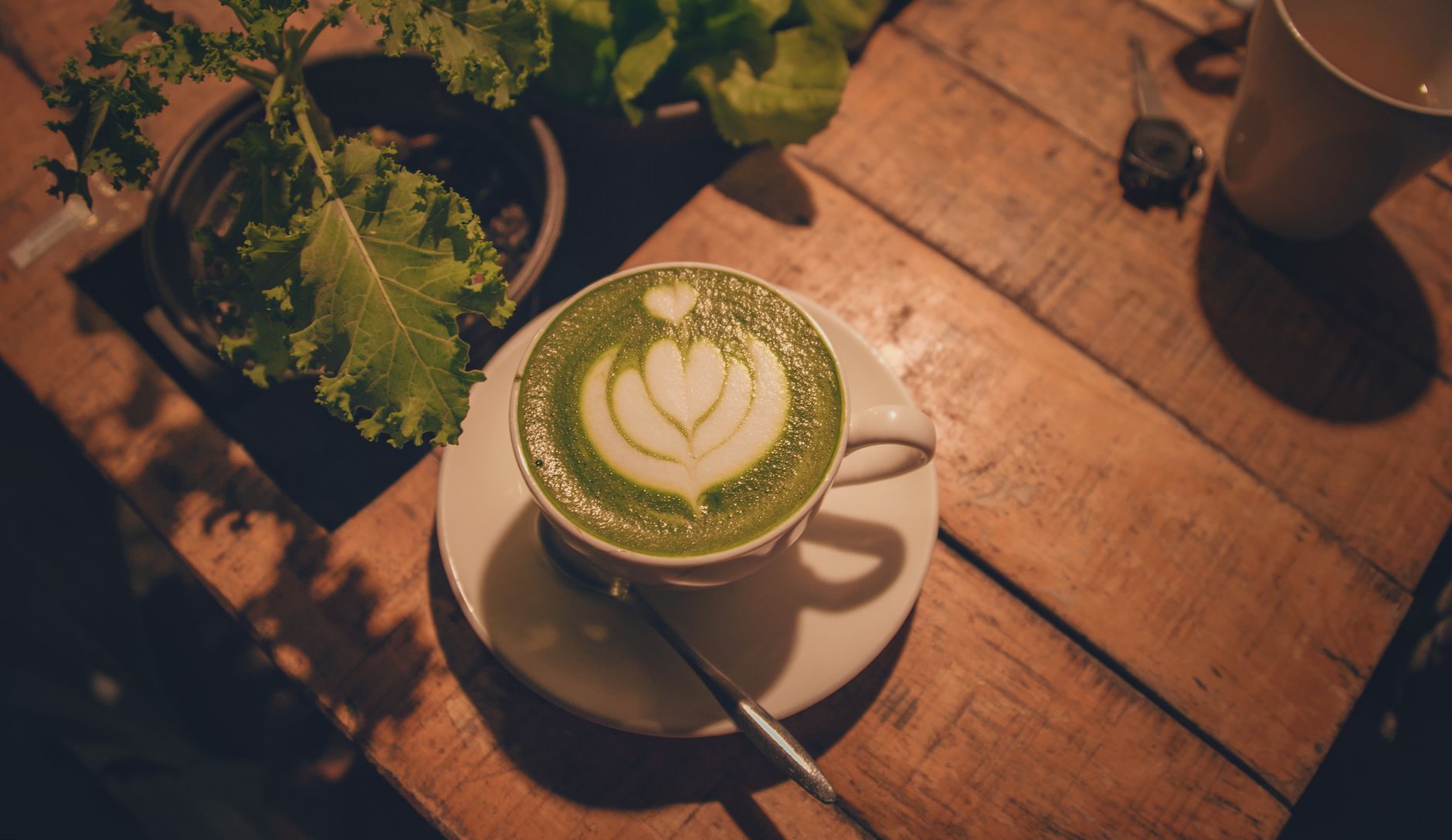
In recent years, matcha has surged in popularity, and many health enthusiasts tout its numerous benefits. Made from finely ground green tea leaves, matcha is often celebrated for its vibrant color and unique flavor. But does it truly offer health benefits worth noticing? Let’s delve into the properties of matcha and explore the claims surrounding its alleged advantages.
To better understand matcha’s potential health benefits, we need to consider its nutritional profile, the specific compounds it contains, and how it fits into a balanced diet. This article will help you uncover whether matcha is a worthwhile addition to your wellness routine.
Does Matcha Have Health Benefits?
Yes, matcha does have health benefits. Rich in antioxidants and other beneficial compounds, it is believed to promote heart health, boost metabolism, and enhance mood and focus. However, it’s essential to consume it as part of a balanced diet to maximize these potential advantages.
Nutritional Profile of Matcha
Understanding matcha begins with its nutritional composition. While it may vary slightly by brand, here’s a general overview of what matcha contains:
- Antioxidants: Matcha is particularly high in catechins, especially EGCG (epigallocatechin gallate), which are known for their antioxidant properties.
- Caffeine: A cup of matcha typically contains about 70 mg of caffeine, offering a more steady energy boost compared to coffee.
- Amino Acids: Matcha is rich in L-theanine, an amino acid that promotes relaxation without drowsiness.
- Vitamins and Minerals: Matcha contains vitamins A, C, E, and K, as well as essential minerals like magnesium, potassium, and iron.
Health Benefits of Matcha
Now that we have a clearer picture of what matcha contains, let’s explore the specific health benefits that make it a popular choice for many.
1. Rich in Antioxidants
Antioxidants are compounds that help neutralize harmful free radicals in the body. Matcha contains a higher concentration of antioxidants compared to traditional green tea due to the nature of its preparation, which uses the whole leaf rather than steeping it. This makes matcha a powerful ally in reducing oxidative stress and inflammation.
2. Boosts Metabolism and Aids Weight Loss
Some studies suggest that the catechins in matcha may enhance metabolism and promote fat burning, especially during exercise. While it should not be seen as a magic weight-loss solution, incorporating matcha into a healthy diet may support weight management efforts.
3. Improves Heart Health
Regular consumption of green tea, including matcha, has been associated with a lower risk of heart disease. The antioxidants, particularly EGCG, can help reduce cholesterol levels and improve blood circulation, contributing to overall cardiovascular health.
4. Enhances Mood and Focus
The combination of caffeine and L-theanine in matcha can create a calm, alert state. Many people report improved concentration and reduced stress when consuming matcha, making it a favorite among students and professionals alike.
5. Supports Immune Function
Matcha’s high content of antioxidants also plays a role in bolstering the immune system. Regularly consuming matcha may help defend against illness by enhancing your body’s natural defenses.
How to Use Matcha
Incorporating matcha into your diet is simple, and there are various delicious ways to enjoy it. Here are a few popular methods:
- Matcha Tea: The simplest way to enjoy matcha. Whisk 1-2 teaspoons of matcha powder with hot water until frothy.
- Matcha Lattes: Combine matcha with steamed milk or a non-dairy alternative for a creamy treat. Sweeten to taste.
- Baking: Use matcha powder in baked goods like cookies, cakes, or muffins to give them a unique flavor and vibrant color.
- Smoothies: Blend matcha into your favorite smoothie recipes for an energizing boost.
Choosing the Right Matcha
Not all matcha is created equal, and the quality can significantly influence flavor and health benefits. Here are some tips for selecting high-quality matcha:
- Look for ceremonial grade: This grade is typically the highest quality and is best for drinking. It’s vibrant green and smooth in texture.
- Avoid cheap alternatives: Lower-quality matcha may contain additives and lack the rich flavor and benefits of premium options.
- Check the color: Quality matcha should be bright green. Duller colors could indicate lower quality or older powder.
Potential Side Effects and Precautions
While matcha can be healthy, it’s essential to consume it mindfully. Here are some considerations:
- Caffeine Sensitivity: Matcha does contain caffeine. If you’re sensitive, limit your intake and consider decaffeinated options.
- Quality Matters: Contaminated or poor-quality matcha can carry heavy metals or pesticides. Ensure you source from reputable brands.
- Digestive Concerns: Consuming too much matcha may cause digestive issues. Moderation is key.
How to Store Matcha Properly
To maintain the freshness and potency of your matcha, proper storage is crucial:
- Airtight Container: Store matcha in an airtight container to protect it from moisture and air exposure.
- Cool, Dark Place: Keep it in a cool, dark place away from sunlight and heat sources.
- Use Within 2-4 Weeks: Matcha is best consumed fresh. Aim to use it within a few weeks of opening for optimal flavor and benefits.
Common Mistakes When Using Matcha
To get the most out of your matcha, be aware of these common pitfalls:
- Using Too Much Powder: Start with 1-2 teaspoons. Too much can lead to bitterness and caffeine overload.
- Not Whisking Properly: Use a bamboo whisk (chasen) for the best results. This ensures even mixing and a frothy texture.
- Hot Water: Avoid boiling water. Aim for 175°F (80°C) to preserve the delicate flavors and nutrients.
Incorporating Matcha into Your Daily Routine
Embracing matcha can be a delightful addition to a balanced diet. Here are a few practical tips for incorporating it:
- Morning Ritual: Start your day with a matcha tea or latte instead of coffee for an energy boost.
- Afternoon Snack: Add matcha to yogurt or smoothies for a refreshing afternoon treat.
- Evening Mix: Experiment with baking desserts or savory dishes to explore different flavor profiles.
By understanding the health benefits and best uses of matcha, you can confidently add this flavorful green powder to your meals and snacks. From a morning pick-me-up to a mid-afternoon boost, matcha offers versatility and potential wellness benefits.
In summary, matcha can provide numerous health benefits when included in a balanced diet. By knowing how to use and store it properly, you can enjoy its unique flavor and potential wellness properties.
For delicious recipes featuring matcha, consider trying our Lavender Matcha Recipe or refreshing Matcha Iced Latte Recipe. These recipes are excellent ways to incorporate matcha into your daily routine!