
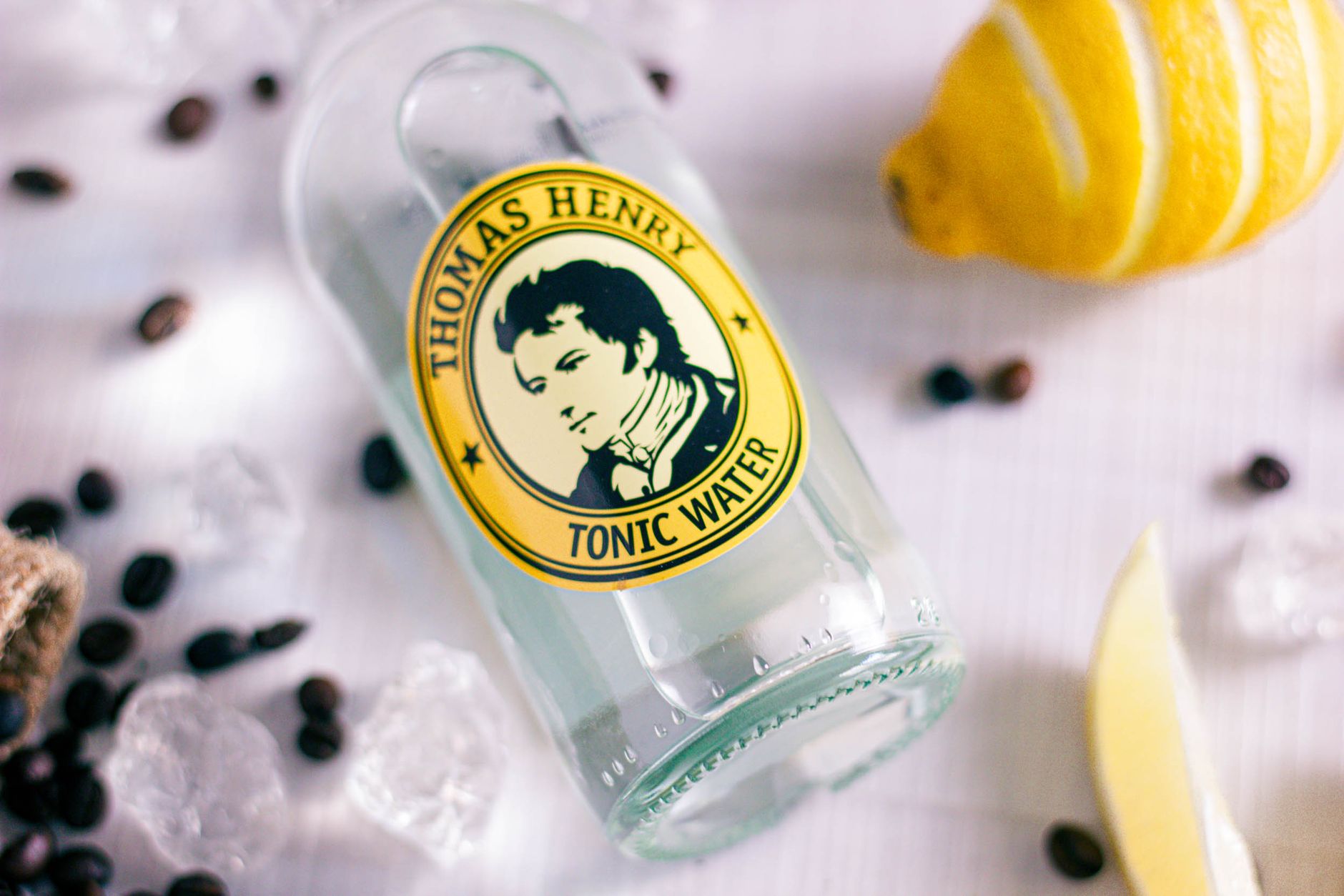
Tonic water is a carbonated beverage that offers a unique combination of sweetness, flavor, and bitterness, making it a popular mixer in cocktails—most notably, the gin and tonic. Understanding the components of tonic water can help you appreciate its role in various beverages, explore how to make it at home, and even discover alternative drinks.
This guide dives deep into what tonic water is made of, its origins, the chemistry behind its flavor, and how it can be used creatively in drinks. We’ll also cover some recipes and modifications to suit different tastes, ensuring you have all the information you need to enjoy this classic mixer.
What Is In Tonic?
Tonic water primarily consists of carbonated water, quinine, sweeteners, and additional flavorings. Quinine, derived from the bark of the cinchona tree, is the key ingredient that gives tonic water its distinctively bitter taste. Sweeteners, which may be sugar or artificial alternatives, are added to balance the bitterness of the quinine.
Generally, tonic water can be classified into three categories based on its sweetening methods: traditional tonic water, diet tonic water, and premium artisan tonic waters. Each variation brings its unique profile, allowing for different pairing options in cocktails and other beverages.
The Main Ingredients of Tonic Water
1. Carbonated Water
The base of any tonic water is carbonated water. It creates a refreshing, fizzy effect that enhances the overall drinking experience. The bubbles in carbonated water stimulate the taste buds, making tonic water a lively mixer. When creating cocktails, the level of carbonation can influence the texture and mouthfeel of the drink.
2. Quinine
Quinine is the most significant ingredient in tonic water, giving it its signature bitter flavor. Originally used as a treatment for malaria, quinine has a long history, both medicinal and culinary. In tonic water, it is present in varying concentrations, typically ranging from 20 to 83 parts per million (ppm). The level of quinine contributes to the overall bitterness, so selecting tonic water with the right balance is essential for cocktails.
3. Sweeteners
To counter the bitterness of quinine, tonic water often contains sweeteners. These can be natural sugars such as cane sugar or high fructose corn syrup, or artificial sweeteners like aspartame or sucralose in diet versions. Sugar-sweetened tonic waters are generally richer and rounder in flavor, while diet options are often lighter but can have an aftertaste due to the artificial sweeteners used.
4. Additional Flavorings
Many tonic waters include additional flavorings that enhance their overall profile. Common flavor agents include citrus flavors like lemon, lime, or grapefruit, as well as herbs and spices such as juniper, coriander, or even cucumber. These flavors can elevate the drinking experience or complement the spirits they are paired with.
The Evolution and Cultural Context of Tonic Water
The journey of tonic water began in South America, where indigenous people used the bark of the cinchona tree to combat fevers. European explorers discovered this remedy in the 17th century and began exporting it to Europe. By the 19th century, British colonists in India mixed the bitter tonic with soda water and sugar, eventually leading to the creation of modern tonic water.
Today, tonic water has evolved from a medicinal beverage to a staple in the mixology world. Its versatility allows it to be used in various cocktails beyond gin and tonic, such as vodka tonics, tequila tonics, and even creative non-alcoholic drinks.
Making Tonic Water at Home
For those interested in crafting their own tonic water, the process can be both fun and rewarding. Making tonic water gives you control over the flavor profile, enabling you to adjust sweetness and bitterness according to your preferences. Below is a guide on how to make tonic water at home.
Homemade Tonic Water Recipe
Yield:
About 4 cups
Preparation Time:
30 minutes
Cooking Time:
15 minutes
Total Time:
45 minutes
Ingredients:
- 4 cups water
- 2 tablespoons cinchona bark (available at specialty stores or online)
- 1 tablespoon citric acid (for acidity)
- 1/2 cup sugar (or more to taste)
- 1 tablespoon of zest from lemon or lime (optional, for extra flavor)
- 1/4 teaspoon salt (to balance flavors)
Essential Equipment:
- Medium saucepan
- Fine mesh strainer
- Glass bottle or jar for storage
- Infuser or cheesecloth (optional)
Method:
- In a medium saucepan, combine the water and cinchona bark. Bring to a boil over medium heat.
- Once boiling, reduce heat and let it simmer for about 15 minutes. Remove from heat and cool slightly.
- Strain the mixture through a fine mesh strainer into a clean container to remove the cinchona bark.
- Add the citric acid, sugar, lemon or lime zest, and salt. Stir until sugar dissolves completely.
- Let the tonic cool completely, then bottle it and store it in the refrigerator. Homemade tonic water will last about a week in the fridge.
Variations of Tonic Water
Tonic water comes in various styles that cater to different palates. Here are some popular variations and what they bring to the table.
1. Diet Tonic Water
Diet tonic water contains artificial sweeteners instead of sugar, providing a low-calorie option for those watching their sugar intake. The taste can differ, with some finding a slight aftertaste, but it remains a popular choice for health-conscious drinkers.
2. Flavored Tonic Water
Flavored tonic waters incorporate various botanicals and natural flavorings, resulting in unique taste profiles. Citrus-infused, herbal, and spice-based variations are common, adding complexity to cocktails. Brands like Fever-Tree and Q Drinks offer interesting options worth exploring.
3. Craft or Artisan Tonic Water
Artisan tonic waters are made with high-quality ingredients and often mimic the old-school method of making tonic. These varieties can feature a notable bitterness and may have additional flavor complexities, appealing to those who appreciate nuanced drinking experiences. The craftsmanship in these beverages is evident in both taste and presentation.
Substitutions for Tonic Water
If you’re looking to replace tonic water in your cocktails or want to experiment with other flavors, there are several alternatives:
- Sparkling Water: A simple substitute that can add effervescence without added flavors or sweetness. Use it with a splash of citrus for added zest.
- Ginger Ale: This sweet and spicy soda can provide a different, yet enjoyable flavor profile. It works well in cocktails but will alter the overall taste.
- Club Soda with Bitters: Mixing club soda with a few dashes of bitters can mimic tonic water’s complexity while being a non-sweet alternative.
- Homemade Infused Sparkling Water: Make your flavored sparkling water with fresh fruits, herbs, or spices to create a tailor-made mixer for your drinks.
Common Mistakes to Avoid with Tonic Water
When working with tonic water, keep these tips in mind for the best drinking experience:
- Choosing the wrong tonic: Not all tonic waters are created equal. Experiment with different brands to find the flavor that suits your preferences.
- Overdoing the mixers: Tonic water’s bitterness is a delicate balance. When making cocktails, be mindful of how much tonic you add, as too much can overshadow the spirit’s flavors.
- Serving temperature: Tonic water should be served chilled to maintain its carbonation and refreshing nature. Always keep it refrigerated before serving.
- Shaking instead of stirring: When mixing cocktails with tonic water, gently stir instead of shaking, as shaking can dissipate the carbonation and create a flat drink.
Serving Suggestions and Pairings
Pairing tonic water with the right spirits and mixers can enhance your drink experience. Here are some popular combinations:
- Classic Gin and Tonic: Pair a floral gin with a high-quality tonic water and garnish with lime or lemon for a refreshing cocktail.
- Vodka Tonic: A simple mix of vodka and tonic creates a light and invigorating drink, perfect for hot weather.
- Tequila and Tonic: A twist on the classic, this drink pairs particularly well with herbal or citrusy tonics.
- Refreshing Mocktails: Use tonic water as a base for non-alcoholic drinks by adding fruit juices or fresh herbs.
Storage and Usage of Tonic Water
Storage depends on whether tonic water is opened or sealed. Unopened bottles can be stored in a cool, dark place and can last for months. Once opened, tonic water should be refrigerated and consumed within a few days to retain its carbonation and flavor.
If you’ve made homemade tonic water, ensure it is kept sealed and refrigerated, where it will last about a week before losing its potency.
Conclusion
Tonic water is much more than a mixer; it is a versatile beverage that can elevate your drink experience with its unique flavor profile. Whether you choose store-bought options or decide to craft your own at home, understanding its ingredients and variations allows you to mix drinks like a pro. Explore the world of tonic water by experimenting with flavors, spirits, and cocktails to discover the perfect pairing that pleases your palate.
For more creative drink ideas, check out this homemade tonic water recipe or try a refreshing espresso tonic recipe for a caffeinated twist!