
Picture yourself on a warm evening, sipping a refreshing tonic that dances on your palate with every sip. This Tonic Recipe is not just a drink; it’s a celebration of flavors that elevates any occasion, whether it’s a casual gathering or a quiet moment at home. With its crisp, invigorating taste and the perfect balance of sweetness and bitterness, this tonic is a fantastic mixer for cocktails or simply enjoyed on its own. Let’s dive into how to craft this delightful beverage!
Why You’ll Love This Recipe
This tonic recipe is a game changer for your drink game.
- Easy to make with simple ingredients.
- Perfectly balanced flavor profile.
- Versatile for cocktails and mocktails.
- Customizable to suit your taste preferences.
- Impressive enough for entertaining guests.
My Experience Making This Recipe
When I first tried making tonic at home, I was surprised by how straightforward it was. The aroma of the botanicals simmering on the stove filled my kitchen, making it feel like a cozy bar right at home.
Each sip of my homemade tonic was a delightful reminder that I could craft something special without needing a mixologist’s skills. Friends who tasted it were impressed, and it quickly became a staple in my drink repertoire.
Recipe Overview
- Recipe Name: Tonic Recipe
- Servings: 4
- Prep Time: 10 minutes
- Cook Time: 20 minutes
- Total Time: 30 minutes
- Course: Beverage
- Cuisine: International
- Calories per Serving: 60
Equipment You Will Need
- Medium saucepan
- Measuring cups and spoons
- Fine mesh strainer
- Glass bottle or jar for storage
- Stirring spoon
Ingredients for Tonic Recipe
- 2 cups water
- 1 cup sugar
- 1/4 cup cinchona bark (can be found online or in specialty stores)
- 1/4 cup fresh lime juice
- 1 tablespoon lemon zest
- 1 tablespoon whole black peppercorns
- 1 teaspoon dried rosemary (optional)
Ingredient Notes and Substitutions
- Cinchona bark: This gives tonic its characteristic bitterness. If unavailable, you can use a commercial tonic syrup.
- Fresh lime juice: Adds brightness and acidity. Lemon juice can work as a substitute for a slightly different flavor.
- Whole black peppercorns: They add a subtle spice. You can omit them for a milder taste.
- Dried rosemary: Provides an herbal note. Thyme or sage can be substituted for a different herbaceous twist.
How to Make Tonic Recipe
Step 1: Combine Ingredients
In a medium saucepan, combine the water and sugar. Stir over medium heat until the sugar dissolves completely.
Step 2: Add Cinchona Bark
Add the cinchona bark to the sugar-water mixture. This is where the magic happens, as the bark infuses the liquid with its distinct flavor.
Step 3: Incorporate Zest and Spices
Mix in the lemon zest, black peppercorns, and dried rosemary if using. These ingredients will deepen the flavor profile of your tonic.
Step 4: Simmer the Mixture
Bring the mixture to a gentle simmer. This allows the flavors to meld beautifully, infusing the syrup with all those aromatic notes.
Step 5: Strain the Mixture
After simmering for about 15 minutes, remove the saucepan from the heat. Use a fine mesh strainer to strain the mixture into a bowl, discarding the solids.
Step 6: Add Lime Juice
Stir in the fresh lime juice while the syrup is still warm. This brightens the flavor and balances the bitterness of the cinchona.
Step 7: Cool and Store
Let the tonic syrup cool before transferring it to a glass bottle or jar. Cool syrup will store better and last longer.
Step 8: Enjoy Your Tonic
Mix your tonic syrup with sparkling water for a refreshing drink. The ratio is about one part syrup to three parts water, but feel free to adjust to your taste!
Pro Tip: Always taste as you go! Adjust the sweetness or acidity to match your personal preference.
Tips for the Best Tonic Recipe
- Use fresh lime juice for the best flavor; bottled juice can taste flat.
- Adjust the sugar to suit your taste; less sugar means a more bitter tonic.
- Experiment with different herbs like mint or basil for a unique twist.
- Store tonic syrup in the fridge; it will last for up to two weeks.
- Mix with different types of spirits for a fun cocktail experience.
Common Mistakes to Avoid
- Not simmering long enough: This can lead to underdeveloped flavors.
- Using old ingredients: Fresh herbs and spices make a big difference in taste.
- Over-sweetening the syrup: Balance the flavors for a better tonic experience.
- Not straining properly: Leaving particles in the syrup can affect the drink’s clarity and texture.
Serving Suggestions
This tonic is incredibly versatile and can be served in various ways.
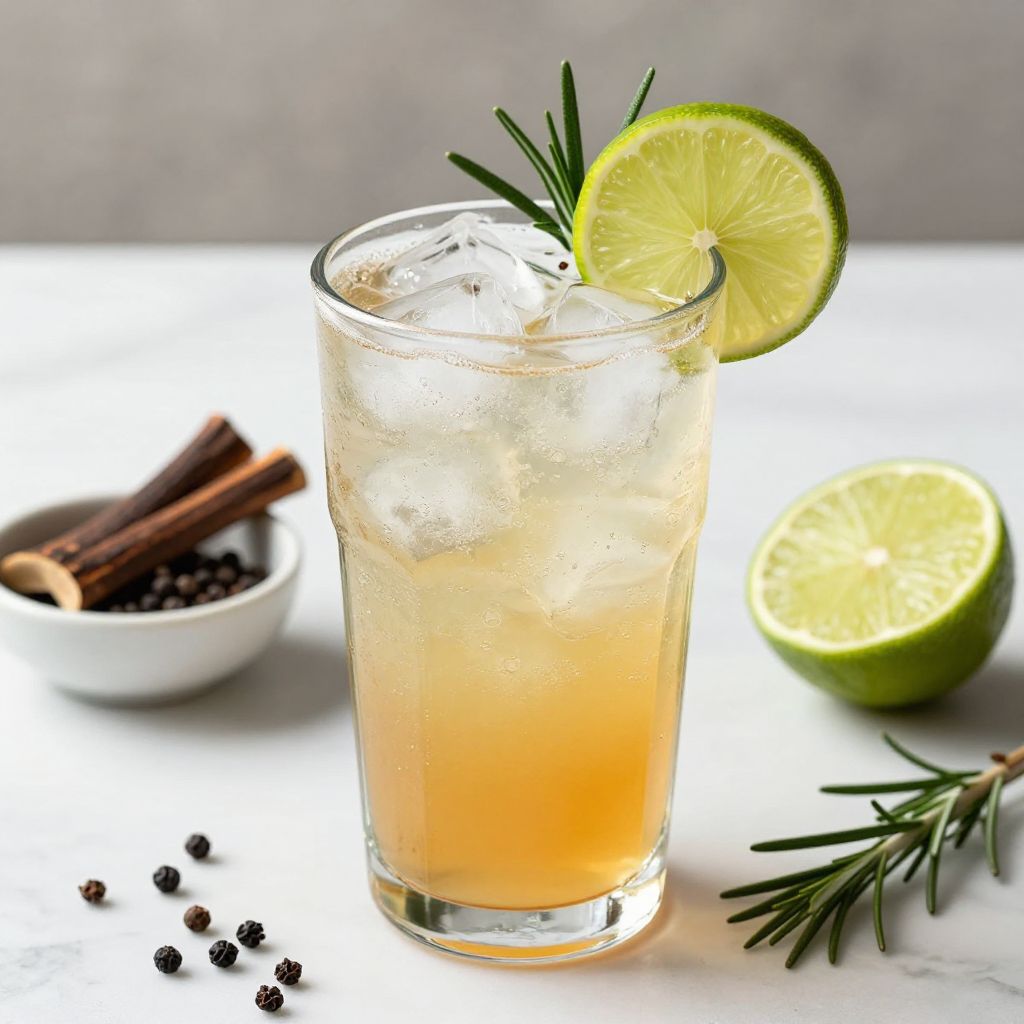
- Poured over ice with a slice of lime.
- Mixed with gin or vodka for a classic cocktail.
- Combined with fresh herbs like mint for a refreshing twist.
- As a mixer in fruity cocktails for added flavor.
- Enjoyed as a standalone drink with soda water.
Variations to Try
- Add cucumber slices for a refreshing summer tonic.
- Incorporate ginger for a spicy kick.
- Use grapefruit juice instead of lime for a citrusy twist.
- Infuse with lavender for a floral note.
- Try different sweeteners like honey or agave for a unique flavor.
Dietary Adaptations
- Gluten-free: This recipe is naturally gluten-free.
- Dairy-free: No dairy ingredients are used, making it suitable for everyone.
- Vegan: The recipe is vegan-friendly; sugar can be swapped for agave syrup.
- Low-carb/keto: Use a sugar substitute to keep it low-carb.
Storage and Reheating
Refrigerator
Store your tonic syrup in the refrigerator for freshness.
- Use an airtight container.
- Consume within two weeks for the best flavor.
Freezer
For longer storage, freeze the tonic syrup in ice cube trays.
- Once frozen, transfer cubes to a zip-top bag.
- Use within three months for optimal taste.
Reheating
If using frozen syrup, thaw cubes before mixing with sparkling water.
- Microwave or leave them in the fridge overnight.
- Do not reboil once diluted with water.
Nutrition Information
| Nutrient | Amount |
|---|---|
| Calories | 60 |
| Total Fat | 0g |
| Saturated Fat | 0g |
| Carbohydrates | 16g |
| Fiber | 0g |
| Sugar | 15g |
| Protein | 0g |
| Sodium | 0mg |
| Cholesterol | 0mg |
This nutrition information is estimated and may vary based on ingredient brands and preparation methods.
Frequently Asked Questions
Can I make this tonic syrup ahead of time?
Absolutely! This tonic syrup can be made in advance and stored in the refrigerator.
What if I can’t find cinchona bark?
You can use a commercial tonic syrup as a substitute if cinchona bark is unavailable.
How do I store leftover tonic syrup?
Keep any leftover syrup in an airtight container in the refrigerator for up to two weeks.
Why is my tonic syrup cloudy?
This can happen if not strained well; make sure to use a fine mesh strainer to remove all solids.
Can I adjust the sweetness of my tonic?
Yes, feel free to adjust the sugar to suit your taste preferences.
Final Thoughts
This homemade Tonic Recipe is a delightful addition to your beverage collection. It’s simple, versatile, and oh-so-refreshing, perfect for quenching your thirst.
So gather your ingredients and get mixing! I promise you will enjoy every sip and impress your friends along the way.
For more drink inspiration, check out this tonic water recipe or explore a unique turmeric tonic recipe for a twist on your beverages.
Tonic Recipe
Ingredients
Equipment
Method
- In a medium saucepan, combine the water and sugar. Stir over medium heat until the sugar dissolves completely.
- Add the cinchona bark to the sugar-water mixture.
- Mix in the lemon zest, black peppercorns, and dried rosemary if using.
- Bring the mixture to a gentle simmer and let it simmer for about 15 minutes.
- After simmering, remove the saucepan from the heat and strain the mixture into a bowl, discarding the solids.
- Stir in the fresh lime juice while the syrup is still warm.
- Let the tonic syrup cool before transferring it to a glass bottle or jar.
- Mix your tonic syrup with sparkling water for a refreshing drink.