
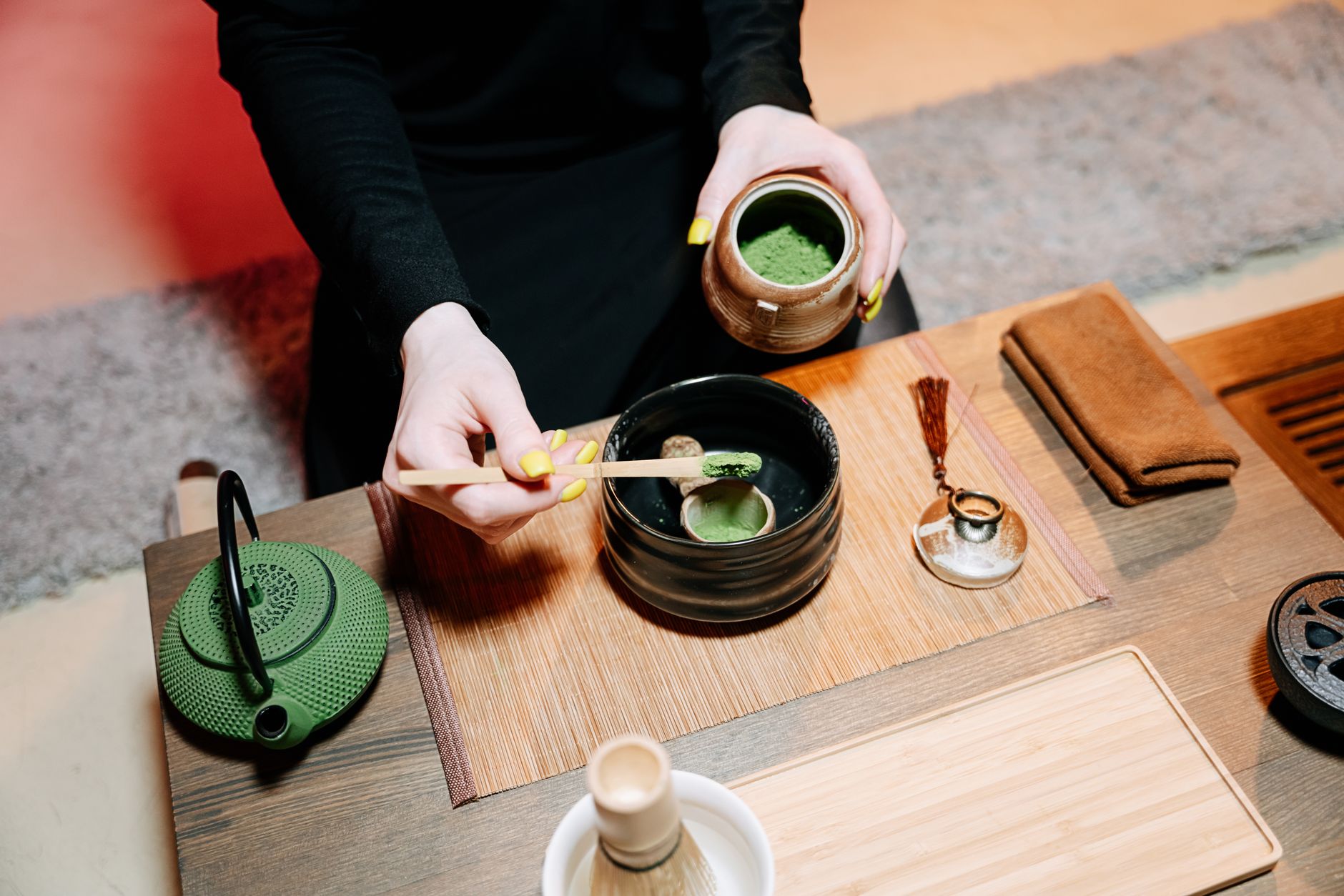
Matcha has become a popular ingredient in beverages and desserts, often praised for its vibrant color and unique taste. If you’re curious about its caffeine content, you’re not alone. Many people wonder whether all matcha contains caffeine and how it compares to other tea and coffee options.
This article will dive into the relationship between matcha and caffeine, examining its origins, the different types of matcha available, and how to choose your matcha wisely based on your caffeine preferences.
Does All Matcha Have Caffeine?
Yes, all matcha contains caffeine. The caffeine content largely depends on the specific type of matcha, its preparation method, and serving size. Typically, matcha has about 25-70 mg of caffeine per cup, depending on these factors.
Understanding Matcha
To fully understand the caffeine content in matcha, it’s essential to grasp what matcha is. Matcha is a finely ground powder made from specially grown green tea leaves, known as Tencha. It is unique because, unlike other green teas where the leaves are steeped and discarded, matcha is consumed in its entirety, often dissolved in water or milk.
This method of consumption contributes to its richer flavor and higher nutritional benefits but also means it retains the caffeine present in the leaves, resulting in a different caffeine experience compared to regular steeped tea.
Types of Matcha
Different types of matcha can contain varying levels of caffeine. Here are some common categories:
- Ceremonial Matcha: This high-quality matcha is often used in traditional Japanese tea ceremonies. It has a vibrant green color and sweet, vegetal flavors. Caffeine content can range from 30-50 mg per serving.
- Premium Matcha: Often used for lattes and cooking, this matcha is slightly lower quality than ceremonial but still flavorful. Its caffeine content is similar, usually around 30-70 mg.
- Cooking Matcha: This type is meant for baking and cooking. It is generally lower in quality and flavor, and may contain caffeine levels on the lower end, approximately 20-40 mg per serving.
Factors Influencing Caffeine Levels
While the type of matcha plays a significant role in caffeine content, other factors can also influence how much caffeine you get from your matcha:
1. Quality of the Leaves
High-quality matcha is made from younger, shade-grown leaves that develop higher levels of chlorophyll and L-theanine, along with increased caffeine. Lower quality options, aimed at cooking, typically contain more mature leaves and may have lower caffeine levels.
2. Preparation Method
The way you prepare your matcha can also impact its caffeine content. Traditional preparation involves whisking matcha powder with hot water to create a frothy drink. The more matcha powder you use, the higher the caffeine content in your cup.
3. Serving Size
Your serving size matters too. A standard serving of matcha is about 1 to 2 grams of powder, which typically yields a cup with 25-70 mg of caffeine. Increasing the amount of matcha will increase your caffeine intake.
Comparative Caffeine Content
Understanding how matcha compares to other drinks can help you make informed choices regarding your caffeine consumption.
Matcha vs. Coffee
One of the most common comparisons is between matcha and coffee. A typical 8-ounce cup of brewed coffee contains approximately 95 mg of caffeine. However, the caffeine in matcha is released slower into the bloodstream due to the presence of L-theanine, a compound that promotes relaxation and reduces jitters associated with caffeine intake.
Matcha vs. Green Tea
Regular green tea has about 25-35 mg of caffeine per 8-ounce serving. Since matcha includes the whole leaf, the caffeine content is generally higher, making it a stronger option than steeped green tea.
Matcha vs. Herbal Tea
Herbal teas, like chamomile or peppermint, are typically caffeine-free. Therefore, if you’re looking for something devoid of caffeine, herbal tea is a better choice than matcha, which always contains some amount of caffeine.
Caffeine Sensitivity and Enjoying Matcha
While matcha contains caffeine, how it affects individuals can vary significantly. Some people may be more sensitive to caffeine, experiencing side effects like jitteriness or insomnia. Here are some tips on enjoying matcha, especially for those sensitive to caffeine:
- Start Slow: If you’re new to matcha or sensitive to caffeine, begin with smaller amounts. A half teaspoon of powder in warm water can be a gentle way to gauge your body’s response.
- Choose Lower Caffeine Options: If you prefer to limit your caffeine intake, look for cooking matcha or even blend matcha with more milk or other low-caffeine ingredients.
- Timing is Key: Avoid consuming matcha later in the day if you struggle with sleep disruptions due to caffeine.
Common Matcha Recipes
Incorporating matcha into your diet can be delicious and easy. Below are a few ways to enjoy matcha, whether or not you’re concerned about caffeine.
1. Matcha Latte
A matcha latte is a popular preparation that involves blending matcha with milk. This drink allows for various milk options (dairy or plant-based) to moderate caffeine levels.
Ingredients:
- 1 teaspoon ceremonial or premium matcha powder
- 1 cup milk of your choice (almond, oat, or cow’s milk)
- 1-2 teaspoons sweetener (optional)
Instructions:
- Heat the milk in a small saucepan until warm, but not boiling.
- In a small bowl, whisk in the matcha powder with a splash of hot water until it forms a smooth paste.
- Slowly add the warmed milk to the matcha paste, whisking continuously.
- Sweeten to taste, if desired, and serve immediately.
2. Matcha Smoothie
A matcha smoothie can be an energizing start to your day, packed with nutrients and antioxidants. This option also allows for a custom caffeine level depending on the amount of matcha used.
Ingredients:
- 1 banana
- 1 cup spinach
- 1 teaspoon matcha powder
- 1 cup almond or coconut milk
- 1 tablespoon nut butter (optional)
Instructions:
- Add all ingredients to a blender.
- Blend until smooth and creamy, adjusting thickness by adding more milk or ice as necessary.
- Serve immediately for a fresh, nutritious beverage.
Storage and Preparation Tips
Proper storage of matcha is vital for preserving its quality and freshness, as it is sensitive to light, heat, and moisture. Here are essential tips for maintaining your matcha:
- Keep it Cool: Store matcha in a cool, dark place in an airtight container. This prevents exposure to moisture and light, both of which can degrade its quality.
- Use Glass or Ceramic: When whisking matcha, use ceramic or glass bowls and utensils to avoid potential interaction with metals, which can alter the flavor.
- Check Expiry Dates: Always check the expiration date and consume it within the recommended time frame for optimal taste and health benefits.
Final Thoughts on Matcha and Caffeine
Matcha is a versatile and flavorful addition to your diet that contains caffeine. While all matcha has caffeine, the quantity varies based on quality, preparation, and serving size. Being aware of your caffeine sensitivity can help you enjoy matcha while still aligning with your dietary preferences.
Whether you’re a matcha enthusiast or just beginning to explore its flavors, there are numerous recipes and ways to enjoy the unique taste of matcha. Consider starting with small amounts, experimenting with different preparation methods, and adjusting based on your personal taste and caffeine needs.
If you would like to dive deeper into matcha recipes and drinks, check out the Starbucks Lavender Matcha Recipe and the Lavender Matcha Latte Recipe for exciting new ideas to incorporate matcha into your day.