
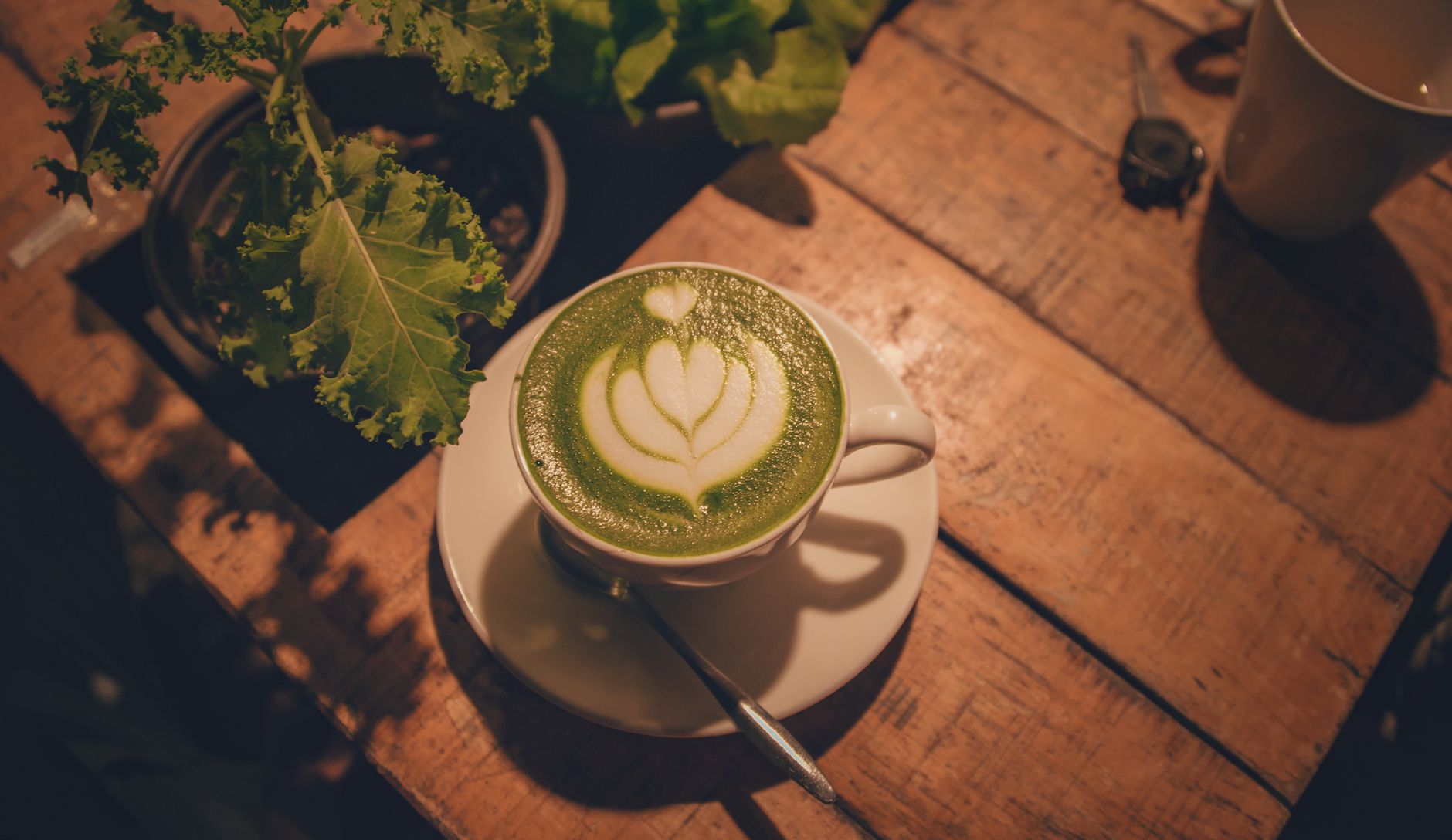
Matcha, a finely ground green tea powder, has surged in popularity thanks to its vibrant color and potential health benefits. One common inquiry people have is whether matcha contains caffeine, especially compared to other beverages like coffee or traditional tea.
In this article, we will explore matcha’s caffeine content, how it compares to other drinks, and the effects it may have on your body. We’ll also discuss the factors influencing caffeine levels in matcha, culinary uses, and ways to prepare it.
Does Matcha Tea Have Caffeine In It?
Yes, matcha tea does contain caffeine, although the amount can vary based on several factors. On average, an 8-ounce serving of matcha contains approximately 70 milligrams of caffeine. This amount is lower than a typical cup of coffee but higher than most black teas.
Understanding the nuances of matcha’s caffeine content can help you enjoy it mindfully, especially if you are sensitive to caffeine.
What is Matcha? A Brief Overview
Matcha is made from shade-grown tea leaves, known as Camellia sinensis. The process of producing matcha involves several steps:
- Shade-cultivating the tea plants for around three weeks before harvest, which boosts chlorophyll and amino acid content.
- Harvesting the young tea leaves and steaming them to halt oxidation.
- Drying the leaves and removing the stems and veins to create tencha.
- Grinding tencha into a fine, bright green powder using granite stone mills.
This meticulous process not only creates a unique flavor profile but retains the nutrient-rich attributes of the tea leaves.
Caffeine Content of Matcha vs. Other Teas
Matcha contains caffeine, but it is essential to understand how it compares with other common beverages. Here are some average caffeine contents for reference:
| Beverage | Caffeine Content (per 8 oz) |
|---|---|
| Matcha Tea | 70 mg |
| Green Tea | 30-50 mg |
| Black Tea | 40-70 mg |
| Coffee | 95-200 mg |
From this comparison, it’s clear that matcha falls between green and black tea in caffeine content but significantly below coffee.
Factors Influencing Caffeine Levels in Matcha
Several factors can influence the amount of caffeine found in matcha:
- Type of Matcha: Different grades of matcha, such as ceremonial or culinary, will have varying caffeine levels.
- Serving Size: The amount of matcha powder used directly affects the caffeine content. More powder means more caffeine.
- Preparation Method: How matcha is prepared (e.g., whisked into a latte, brewed, or in cooking) can also impact caffeine release.
- Tea Leaf Origin: Different locations and conditions where matcha is grown can result in varying caffeine levels in the leaves.
How Caffeine in Matcha Affects the Body
The unique combination of caffeine and L-theanine, an amino acid found in matcha, creates a different experience compared to coffee. Here are some effects:
- Increased Alertness: The caffeine content can improve focus and enhance mental alertness.
- Balanced Energy: L-theanine helps to mellow out the stimulation from caffeine, leading to a more sustained energy boost without the jitters often associated with coffee.
- Calmness: L-theanine also promotes relaxation, potentially reducing stress and anxiety.
This combination makes matcha a popular choice for those seeking a more balanced source of energy.
How to Prepare Matcha
Preparing matcha is quite different from brewing a standard tea. The following method outlines how to make a traditional matcha drink. Note that you will need some essential tools:
- Matcha powder
- A matcha whisk (chasen)
- A small bowl or matcha bowl (chawan)
- A fine mesh strainer (optional)
Step-by-Step Preparation Guide
- Measure the Matcha: Use 1-2 teaspoons of matcha powder, depending on your preference for strength.
- Sift the Powder (Optional): Sifting helps eliminate lumps and creates a smoother drink. Use a fine mesh strainer to sift directly into the bowl.
- Add Water: Pour 2 ounces of hot (not boiling) water (about 175°F or 80°C) into the bowl.
- Whisk: Using the matcha whisk, whisk vigorously in a ‘W’ motion until frothy (around 30 seconds).
- Serve: You can enjoy the matcha as is or dilute it with more hot water or milk to create lattes.
Variations of Matcha Drinks
Matcha can be versatile and incorporated into various drinks. Here are some popular variations:
- Matcha Latte: Adding steamed milk of your choice creates a creamy beverage. You can use almond, oat, or regular milk.
- Iced Matcha: Blend matcha with cold milk and ice for a refreshing drink.
- Matcha Smoothie: Blend matcha into your favorite fruit smoothies for added flavor and nutrition.
Common Mistakes When Preparing Matcha
Here are some common pitfalls to avoid when making matcha:
- Using water that is too hot can scorch the matcha, resulting in a bitter flavor.
- Not whisking enough can lead to clumps, making for an unappetizing texture.
- Using low-quality matcha can affect both the taste and health benefits. Always opt for high-quality, preferably organic matcha.
Storing Matcha Properly
Proper storage of matcha is crucial to maintain its flavor and quality:
- Store matcha in an airtight container to avoid exposure to air.
- Keep it in a cool, dark place, away from light and heat sources.
- Avoid storing matcha in the refrigerator, as moisture can degrade its quality.
Is Matcha Safe?
For most people, matcha is safe when consumed in moderate amounts. However, some considerations include:
- Pregnant individuals should consult their doctor regarding caffeine consumption.
- Sensitivity to caffeine should be considered. If you experience jitteriness or anxiety, consider limiting your intake.
- Ensure you are choosing high-quality matcha to avoid contaminants, as lower grades may contain harmful substances.
Conclusion
Matcha tea does contain caffeine, making it an excellent choice for those who want to enjoy the stimulating effects of caffeine without the crash associated with coffee. Understanding its caffeine levels and how to prepare and enjoy matcha can enhance your experience. Whether you choose a traditional matcha drink, a latte, or incorporate it into your smoothies, matcha offers a unique flavor and numerous benefits.
If you’re interested in exploring more about matcha, check out our recipes for a refreshing Matcha Iced Latte or a calming Lavender Matcha Latte for a delightful twist!