
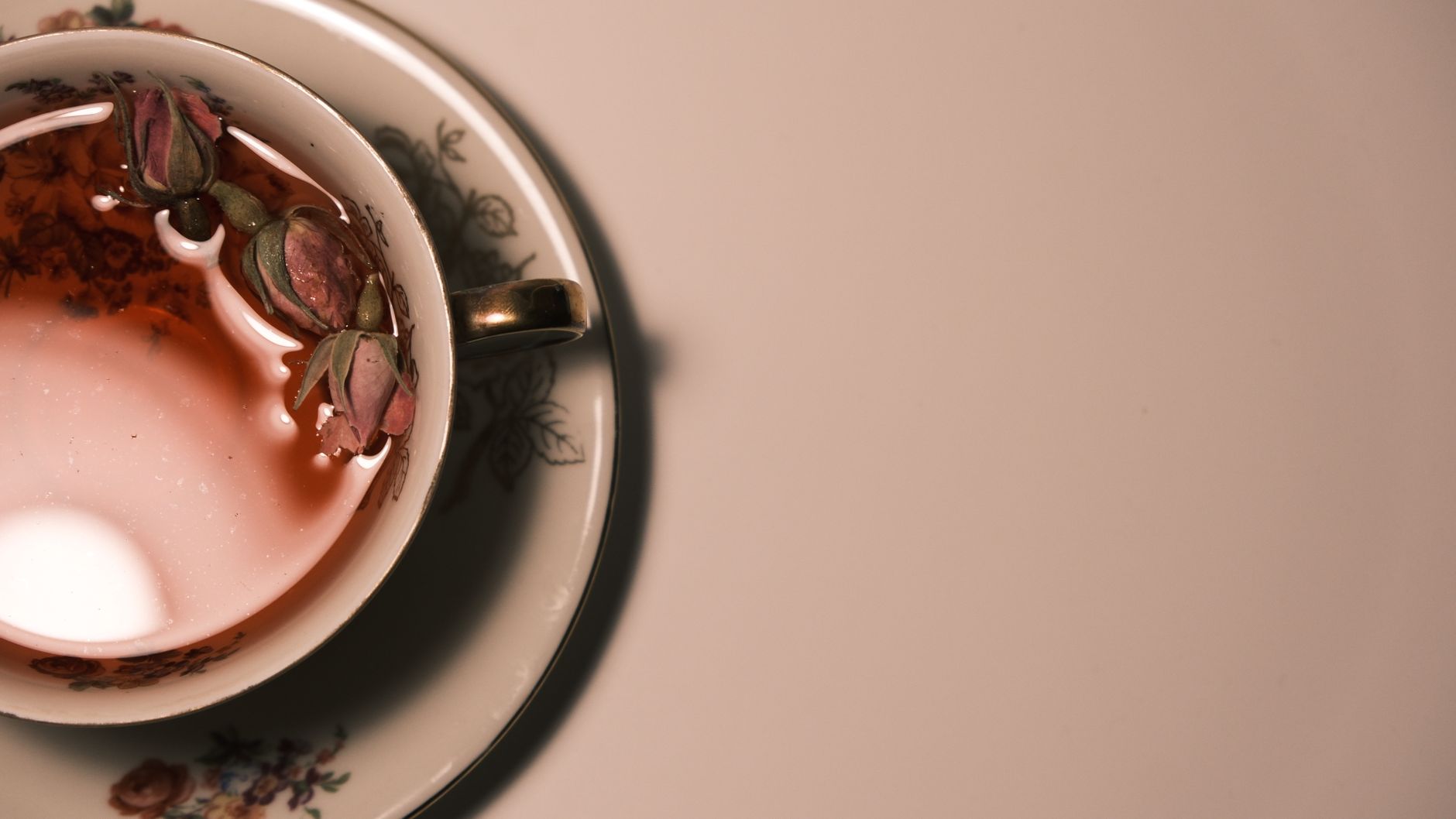
Rose tea is a fragrant and soothing beverage made from dried rose petals, offering a delicate floral flavor profile that can uplift your spirits. This delightful drink can be enjoyed hot or cold, making it a versatile addition to your tea repertoire. In this guide, you’ll learn how to make rose tea from scratch, including the best types of roses to use, preparation methods, and tips for enhancing its flavor.
Whether you’re looking for a relaxing drink to end your day or a refreshing iced tea for a warm afternoon, rose tea caters to all tastes. With minimal ingredients and effort, you can brew a lovely cup that captures the essence of blooming roses.
How To Make Rose Tea?
To make rose tea, you need dried rose petals or rose buds, hot water, and optional flavor enhancers such as honey or lemon. Brewing it takes about 10-15 minutes, providing a fragrant and calming drink that can be served hot or iced.
Choosing the Right Roses for Tea
Not all roses are suitable for tea. When selecting roses, consider the following:
- Organic Roses: Always choose organic, pesticide-free roses to avoid harmful chemicals.
- Varieties: Damask roses (Rosa damascena) and Rosa centifolia are popular for their aromatic properties.
- Quality: Ensure that the petals are dried properly and have vibrant colors. Avoid any with a wilted appearance.
These factors ensure that you get the best flavor and aroma from your rose tea.
Essential Equipment
Gathering the right equipment can help streamline the brewing process. Here is a list of essential tools:
- Tea infuser or strainer
- Teapot or heat-proof container
- Measuring spoon
- Cup or mug for serving
- Kettle or pot for boiling water
Ingredients for Rose Tea
Here’s a complete list of ingredients needed to make rose tea:
- 1-2 tablespoons dried rose petals or rose buds (approximately 5-10 grams)
- 2 cups water (about 500 ml)
- Optional add-ins:
- Honey or sugar to taste
- Fresh lemon or orange slices
- Mint leaves for an extra refreshing flavor
- Green or black tea leaves for a blended approach
Step-by-Step Instructions for Making Rose Tea
Making rose tea is a simple process. Follow these steps for optimal results:
- Prepare the Rose Petals: Measure 1-2 tablespoons of dried rose petals. If you haven’t purchased pre-dried petals, you can dry your own by gently removing them from the stem and placing them in a cool, dry area away from direct sunlight.
- Boil Water: Bring 2 cups of water to a boil in a kettle or a pot. If you prefer iced tea, prepare accordingly by boiling more water for serving later.
- Steep the Petals: Once the water is boiling, remove it from the heat and add the rose petals directly into the hot water, or place them in a tea infuser. Let the petals steep for about 5-10 minutes, depending on your flavor preference—longer steeping times will result in a more robust flavor.
- Taste and Adjust: After steeping, taste your tea. You can add honey or sugar for sweetness. If desired, incorporate lemon slices or mint leaves for a refreshing twist.
- Strain and Serve: If you used a tea infuser, remove it from your cup. For loose petals, strain the tea through a fine sieve. Serve the tea hot or allow it to cool before serving over ice for a refreshing iced rose tea.
Enhancing Your Rose Tea Experience
While rose tea is delightful on its own, you can enhance its flavors by trying various add-ins and flavor combinations. Here are some ideas:
- Herbal Blends: Combine rose tea with other herbal teas like chamomile or hibiscus to create unique flavor profiles.
- Fruits: Fresh fruits such as strawberries or raspberries can add sweetness and tanginess.
- Spices: A pinch of cinnamon or cardamom can elevate the aromatic experience of your tea.
- Cold Brews: For a refreshing alternative, steep the rose petals in cold water overnight in the refrigerator, then strain and serve.
Common Mistakes and Troubleshooting
When making rose tea, a few pitfalls can affect the flavor and overall experience. Here’s how to avoid common mistakes:
- Oversteeping: Leaving the petals in boiling water for too long can make the tea bitter. Stick to the recommended steeping time.
- Using Non-Edible Roses: Avoid using roses that have been treated with pesticides or are not meant for culinary use. Always choose culinary-grade petals.
- Insufficient Straining: Be thorough when straining the petals to prevent floaties in your tea. Use a fine mesh sieve if needed.
Serving Suggestions
Serving rose tea can be as simple or elaborate as you wish. Here are a few ideas for presentation:
- Serve in elegant china cups for a luxurious afternoon tea.
- Garnish with fresh rose petals or herbs to enhance the visual appeal.
- Pair with light snacks, such as finger sandwiches, scones, or pastries, for a delightful tea-party experience.
Storage and Make-Ahead Tips
While rose tea is best enjoyed fresh, you can prepare ahead of time:
- Dried Rose Petals: Store them in an airtight container in a cool, dark place to preserve their flavor and aroma.
- Brewing Ahead: Brew a larger batch and store unused tea in the refrigerator for up to 3 days. Reheat gently or serve cold.
Frequently Asked Questions
Can I use fresh rose petals to make tea?
Yes, you can use fresh rose petals! However, ensure they are organic and free from pesticides. Fresh petals may require more quantity compared to dried ones, and the flavor may be lighter.
Is rose tea caffeine-free?
Yes, rose tea made with just rose petals is naturally caffeine-free. If blended with traditional tea leaves, the caffeine content will depend on the type of tea used.
Can I drink rose tea every day?
Moderation is key. While rose tea is generally safe for daily consumption, excessive intake may lead to digestive issues in some individuals. Enjoying it a few times a week is advisable.
Conclusion
Rose tea is a simple and delightful beverage that provides a perfect blend of flavor and tranquility. With a few basic ingredients and easy steps, you can brew your own fragrant cup of rose tea at home. Explore various enhancements to discover your favorite combinations, and make this charming tea a staple in your drink repertoire.
For refreshing drink ideas, consider making rose lemonade or enjoy a sparkling twist with a rose spritz. These beverages complement the floral flavors of rose tea perfectly.