
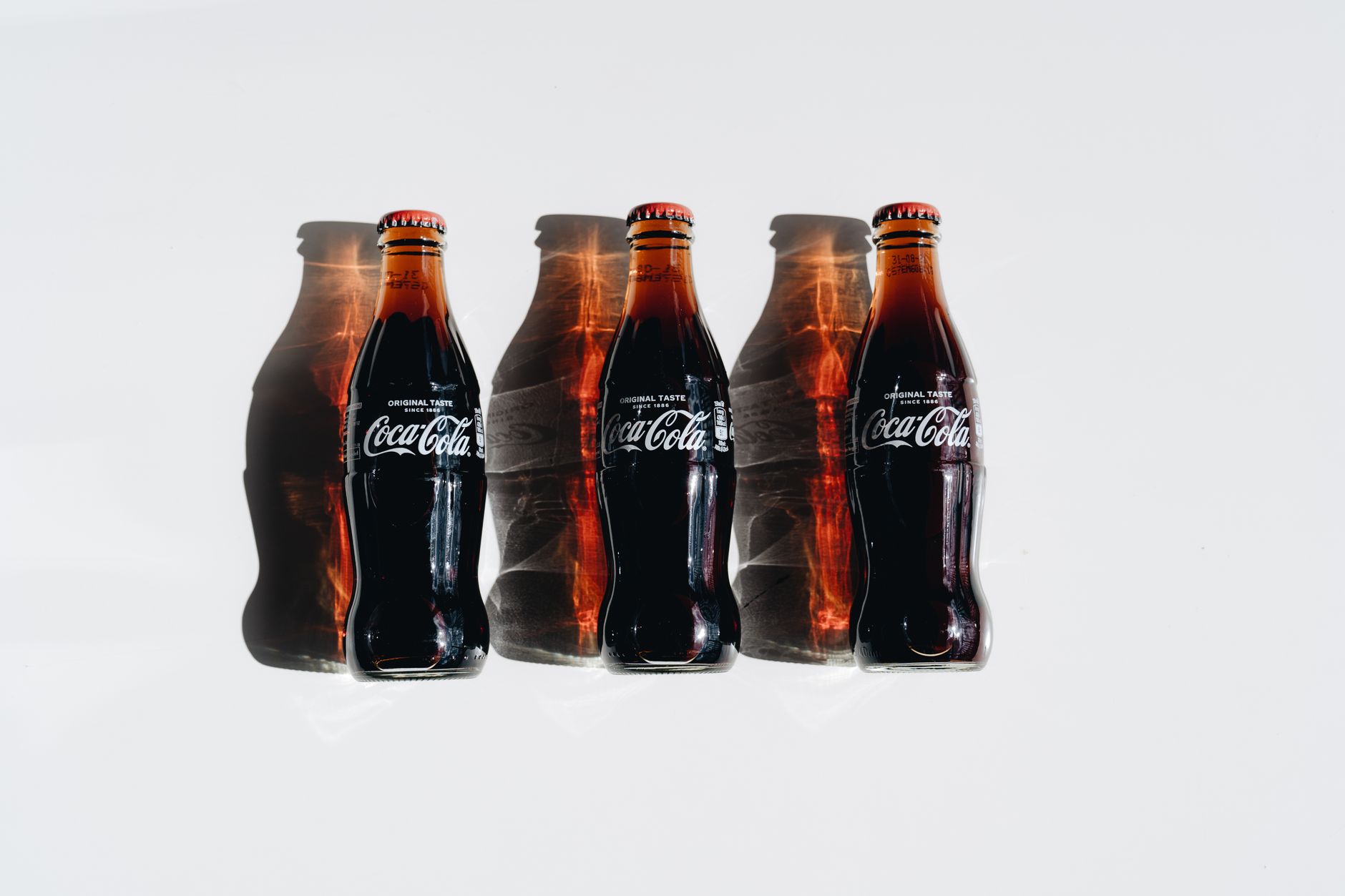
Mexican Coke is often heralded as a superior alternative to its American counterpart, sparking debate among soda enthusiasts about its distinct characteristics. The differences between Mexican Coke and the version produced in the United States stem mainly from the ingredients used, production methods, and even packaging.
This article will explore the key differences between Mexican Coke and American Coke, including flavor, ingredients, cultural significance, and how these factors can influence your choice. Whether you’re a soda aficionado or someone curious about regional variations, understanding what makes Mexican Coke unique will enrich your beverage experience.
Is Mexican Coke Different?
Yes, Mexican Coke is different from American Coke primarily due to the use of cane sugar instead of high fructose corn syrup. This difference in sweeteners contributes to a distinct flavor profile, texture, and cultural experience surrounding the beverage.
The Sweetener Debate: Cane Sugar vs. High Fructose Corn Syrup
One of the most significant differences between Mexican Coke and its American equivalent lies in the sweetener used. Mexican Coke is sweetened with cane sugar, while American Coke typically uses high fructose corn syrup (HFCS). The following points elaborate on this essential distinction:
- Cane Sugar: Common in Mexico, cane sugar provides a cleaner, more traditional sweetness. It is less processed than HFCS and is often preferred for its natural taste.
- High Fructose Corn Syrup: Known for its cost-effectiveness, HFCS is derived from corn and has a higher sweetness level than cane sugar. It can contribute to a less satisfying mouthfeel and aftertaste for some consumers.
- Flavor Profile: The use of cane sugar in Mexican Coke results in a flavor that is slightly more caramel-like and rounded compared to the often sharper, more straightforward sweetness of HFCS in American Coke.
Flavor and Texture Comparison
When tasting Mexican Coke versus American Coke, many consumers note distinct differences in flavor and mouthfeel. Here’s a deeper look:
- Flavor: Mexican Coke is often described as having a smoother, richer taste profile with a hint of caramel notes from the cane sugar. In contrast, American Coke’s flavor can be perceived as overly sweet or syrupy due to HFCS.
- Texture: The carbonation levels also play a role in how the soda feels. Mexican Coke can be perceived as having a finer, softer bubble, making it crisp yet velvety, creating a more refreshing experience.
Packaging and Presentation
The packaging of Mexican Coke adds to its allure. While both versions are available in cans and plastic bottles, Mexican Coke is commonly found in glass bottles. Here are some aspects related to its packaging:
- Glass Bottles: Many consumers believe that beverages taste better from glass than plastic or metal. The glass bottle, often presented with a minimalist label, contributes to a nostalgic feel and is more environmentally friendly than plastic.
- Design: The design of Mexican Coke bottles pays homage to the original branding, which many find appealing and reminiscent of traditional soda enjoyment.
Nutrition and Ingredients
While the primary difference lies in the sweetener, other minor ingredients also differ:
- Ingredients List: Mexican Coke typically contains carbonated water, cane sugar, caramel color, phosphoric acid, natural flavors, and caffeine. The American version has a similar list but substitutes HFCS for cane sugar.
- Calories: The calorie count in both versions is somewhat similar, but due to the different sweeteners, the perception of sweetness and satisfaction levels can vary, influencing how much soda individuals choose to drink.
Cultural Significance of Mexican Coke
In Mexico, Coca-Cola holds significant cultural importance. Here are factors contributing to its status:
- Tradition: Coca-Cola has been part of Mexican culture for decades, often accompanying traditional meals and celebrations.
- Artisan Shops: It is common in Mexico to find Coke served in restaurants or street stands, reflecting the beverage’s place in everyday life.
- Regional Pride: Many Mexicans take pride in their Coca-Cola, viewing it as a mark of national flavor and tradition.
Where to Find Mexican Coke
If you’re curious to try Mexican Coke, there are several places you can find it:
- Mexican Grocery Stores: Often, local Hispanic markets stock Mexican products and beverages, including Coke.
- Online Retailers: Some websites specialize in international foods and beverages, making it easy to order Mexican Coke directly to your home.
- Specialty Beverage Stores: Certain beverage retailers may offer a selection of international sodas, including Mexican Coke.
When to Enjoy Mexican Coke
Mexican Coke is versatile and can elevate many occasions:
- Pairs with Mexican Cuisine: Enjoy it alongside tacos, enchiladas, or carne asada for a fully immersive experience.
- During Celebrations: Mexican Coke is often served at parties, family gatherings, and festivals, contributing to the festive atmosphere.
- As a Cocktail Mixer: Mixers can also incorporate Mexican Coke into unique cocktails, such as a Cuba Libre, where the cane sugar enhances the taste.
Is Mexican Coke Healthier?
The ongoing debate surrounding natural versus synthetic sweeteners often leads to questions about health. Here are considerations:
- Natural Ingredients: While cane sugar is less processed, moderation is essential as both Mexican and American Coke carry similar calorie counts.
- Perception of Sweetness: Some consumers feel they are more satisfied with fewer sips of Mexican Coke due to its less intense sweetness, potentially leading to lower consumption rates.
Practical Tips on Enjoying Mexican Coke
To make the most of your Mexican Coke experience, consider the following tips:
- Chill Before Serving: Always serve Mexican Coke cold to enhance its refreshing qualities.
- Garnish Possibilities: Try garnishing with lime or even using it in marinades for added depth of flavor.
- Experiment with Cocktails: Utilize Mexican Coke as a base in cocktails for a twist on classic recipes.
Mexican Coke Versus Other International Variants
Mexican Coke isn’t the only international variant worth exploring. Here’s how it compares to some other options:
- Cola from Different Countries: Other countries, like Colombia and Brazil, also produce their versions of cola using cane sugar. Each has unique flavor notes due to varying water sources and regional ingredients.
- Craft Cola: In the U.S., craft cola brands are emerging, often made from natural ingredients and unique flavor combinations, appealing to those who may prefer a more artisanal product.
Final Thoughts on Mexican Coke
Ultimately, whether you prefer Mexican Coke or American Coke depends on personal taste. Many consumers love the genuine flavor and heritage represented in the former, while others might stick with the latter for practical reasons. Exploring different regional versions offers exciting insights into beverage culture and can make each sip a unique experience.
Next time you have the chance, don’t hesitate to try Mexican Coke. Its distinctive flavor, cultural significance, and the nostalgia of its presentation may just change how you view soda altogether.
If you’re interested in refreshing drink recipes, check out our Mexican Champurrado recipe or try making some Agua Fresca. These beverages showcase the vibrant flavors of traditional Mexican ingredients that you can enjoy at home!