
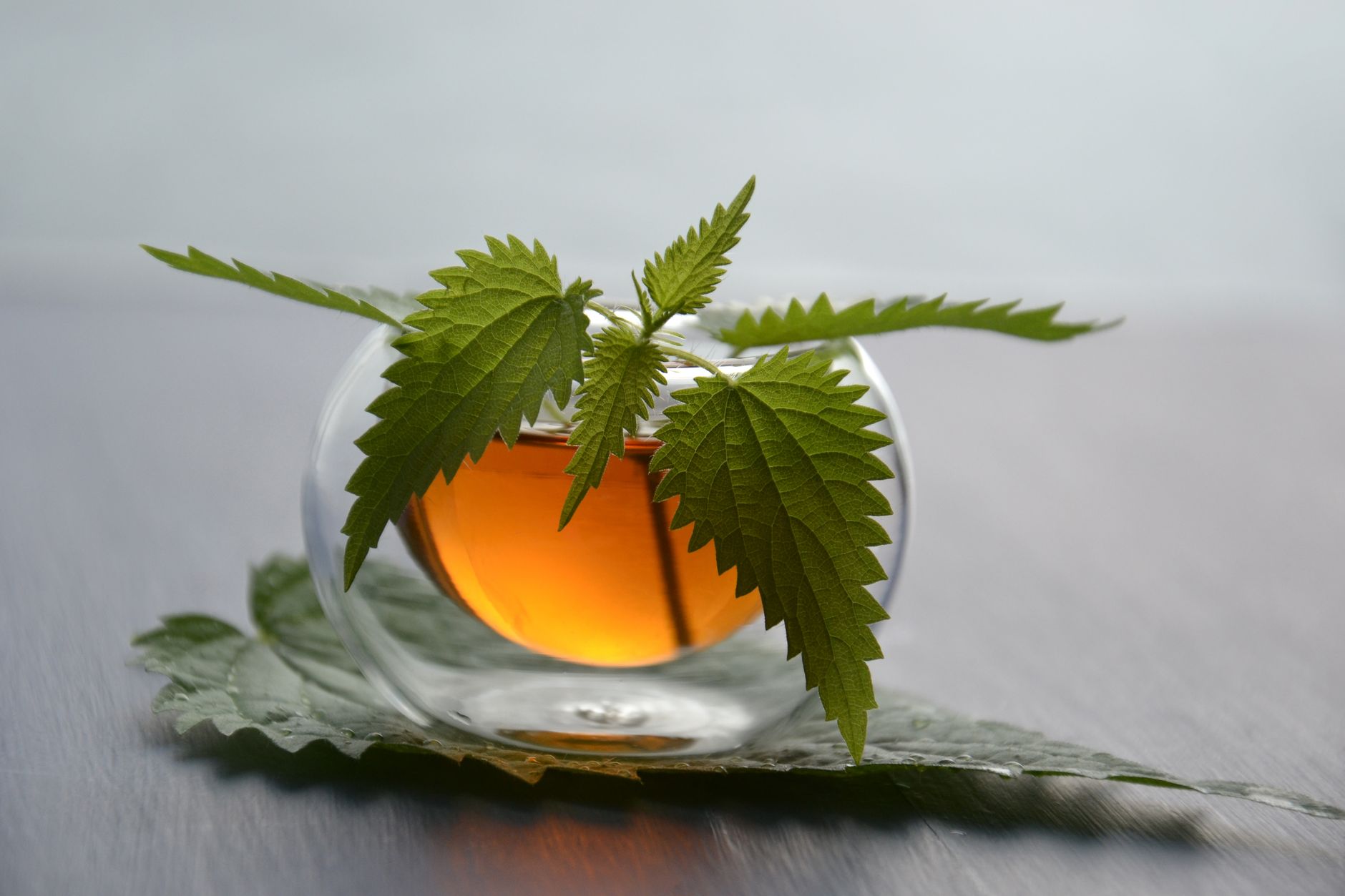
Nettle tea, made from the leaves of the stinging nettle plant, has gained popularity for its potential health benefits, with particular attention toward its effect on kidney health. Many people appreciate its earthy flavor and consider it a useful herbal remedy, but is it genuinely beneficial for kidney function?
This article explores whether nettle tea is good for kidneys, its potential benefits, safety considerations, and practical tips for making and enjoying this herbal infusion.
Is Nettle Tea Good For Kidneys?
Yes, nettle tea may offer benefits that are advantageous for kidney health. It is believed to possess diuretic properties, which can assist with kidney function by promoting urine production. This can help in flushing out toxins and maintaining fluid balance in the body. However, moderation is key, and it’s essential to consult with a healthcare provider before making significant changes to your diet.
What Are the Key Benefits of Nettle Tea?
Nettle tea is celebrated for its wide array of potential health benefits, which may especially appeal to those focusing on kidney health. Here are some key advantages:
- Diuretic Properties: Nettle is known for its diuretic effects, which may help the kidneys eliminate excess fluids and waste.
- Anti-inflammatory Effects: The anti-inflammatory properties of nettle may reduce inflammation in the kidneys and throughout the body.
- Nutrient-Rich: Nettle leaves are rich in vitamins A, C, K, and several B vitamins, as well as minerals like iron, calcium, and magnesium, all essential for overall health.
- Support for Urinary Tract Health: Nettle tea may help protect the urinary tract, potentially reducing the risk of urinary tract infections (UTIs), which can impact kidney health.
Understanding Nettle Tea
Nettle tea is an herbal infusion made from the leaves and stems of the stinging nettle plant, known scientifically as Urtica dioica. This perennial plant is characterized by its serrated leaves and is commonly found in Europe, North America, and Asia. The leaves contain a myriad of nutrients and bioactive compounds that contribute to its health benefits.
Fresh or dried nettle leaves can be used to prepare the tea, providing a mild herbal flavor and earthy aroma. The proper preparation of nettle tea not only maximizes its health benefits but also enhances the overall drinking experience.
How to Prepare Nettle Tea
Making nettle tea is a simple process. Here is a straightforward method you can follow:
Ingredients
- 1 to 2 tablespoons dried nettle leaves or 2 to 3 tablespoons fresh nettle leaves
- 2 cups water
- Honey or lemon (optional for flavor)
Essential Equipment
- Tea kettle or saucepan
- Measuring spoons
- Tea strainer or infuser
- Cup or mug
Step-by-Step Directions
- Boil water in a kettle or saucepan.
- Once water reaches a rolling boil, remove it from heat.
- Add the dried or fresh nettle leaves to the hot water.
- Cover and steep for about 5 to 10 minutes, depending on your desired strength.
- Strain the tea into a cup or mug using a tea strainer or infuser.
- Add honey or lemon if desired, and enjoy!
Safety Considerations
While nettle tea can be beneficial for many, it is essential to be aware of certain safety considerations:
- Blood Pressure: Due to its diuretic nature, nettle may lower blood pressure, so those with low blood pressure or on medications for hypertension should consume it cautiously.
- Pregnancy and Nursing: Pregnant and nursing women should consult a healthcare provider before consuming nettle tea, as its effects during pregnancy are not fully understood.
- Medication Interactions: Nettle may interact with certain medications, particularly blood thinners and diuretics. Always check with a healthcare professional if you are on medication.
- Allergies: Some individuals may be allergic to nettle; if you experience any adverse reactions, discontinue use immediately.
Potential Risks and Downsides
Although nettle tea boasts numerous health benefits, it is crucial to consume it in moderation. Overconsumption can lead to potential unwanted effects, including:
- Dehydration: Excessive intake may increase urination to an extent that could lead to dehydration.
- Gastrointestinal Upsets: Some people may experience digestive discomfort, such as nausea or diarrhea, from consuming nettle.
- Stinging Sensation: Fresh nettle leaves can cause skin irritation or a stinging sensation upon contact. Always handle fresh nettles carefully, or opt for dried leaves for tea.
Integrating Nettle Tea Into Your Diet
Finding ways to include nettle tea in your daily routine can enhance your intake of its potential benefits. Here are a few practical tips:
- Morning Ritual: Substitute your regular morning tea or coffee with nettle tea for a refreshing change.
- Afternoon Pick-Me-Up: Sip nettle tea in the afternoon for a gentle boost without the jitters associated with caffeine.
- Herbal Blends: Combine nettle with other herbal ingredients, such as peppermint, ginger, or chamomile, for unique flavor profiles and added benefits.
- Iced Tea: Brew nettle tea and allow it to cool, then pour it over ice for a refreshing summertime drink.
Common Mistakes When Making Nettle Tea
While preparing nettle tea is straightforward, avoiding a few common pitfalls can enhance the experience:
- Using Too Much Heat: Avoid boiling the tea for too long, which can destroy some of the beneficial nutrients. Always steep in hot water, but not at a full boil.
- Ignoring Steeping Time: Not allowing the tea to steep long enough may result in a weak infusion that lacks flavor and benefits.
- Not Straining Properly: To avoid bits of nettle leaves in your tea, ensure you use a fine strainer or an infuser to filter out the leaves.
What Are the Nutritional Contents of Nettle Tea?
Nettle tea is not only a pleasant herbal infusion but also packed with nutrients. While specific nutrient amounts can vary based on brewing time and leaf concentration, here are some key components typically found in nettle tea:
- Vitamins: High in vitamins A, C, K, and various B vitamins.
- Minerals: Contains essential minerals such as iron, calcium, potassium, and magnesium.
- Antioxidants: Rich in antioxidants that help combat oxidative stress and reduce inflammation.
How Does Nettle Tea Compare to Other Herbal Teas for Kidneys?
When considering various herbal teas that may benefit kidney health, it is valuable to compare nettle tea with alternatives like dandelion root tea or ginger tea. Each offers unique properties:
| Herbal Tea | Benefits for Kidneys |
|---|---|
| Nettle Tea | Diuretic effects, supports urinary tract health |
| Dandelion Root Tea | Promotes detoxification, rich in antioxidants |
| Ginger Tea | Anti-inflammatory properties, may improve circulation |
Conclusion
Nettle tea offers a variety of potential benefits that may support kidney health through its diuretic properties and rich nutrient profile. While it can be a refreshing and health-promoting beverage, it is crucial to consume it in moderation and be mindful of any health conditions or medications that may conflict with its use. Always consult a healthcare provider when considering changes to your diet, especially for kidney-related concerns.
For those looking to explore more herbal remedies, consider checking out recipes like Lymphatic Drainage Tea or methods to create an Anti-Inflammatory Tea for additional health benefits.