
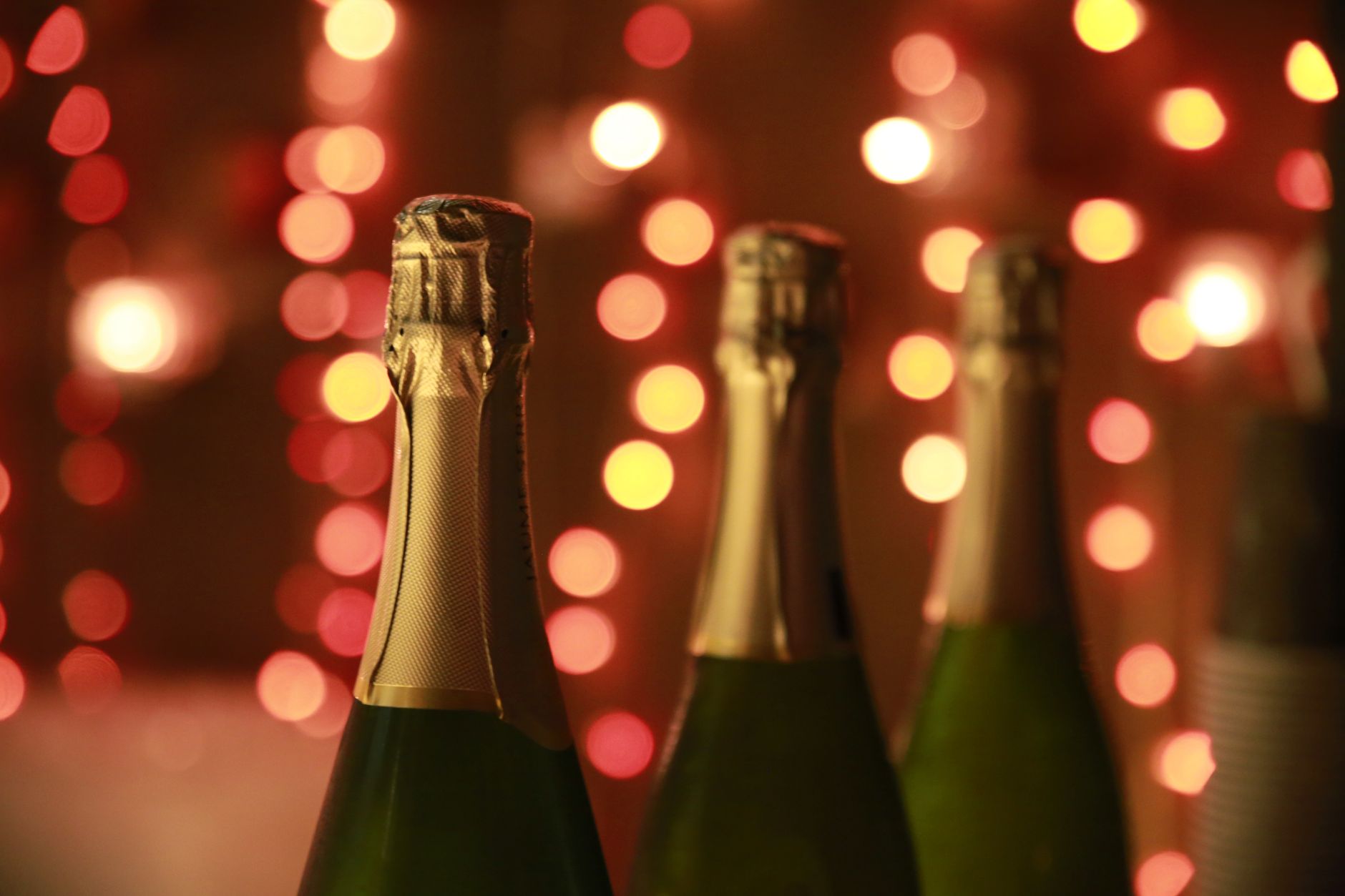
Champagne is a drink synonymous with celebration, luxury, and merriment, but opening a bottle can sometimes be tricky. Whether you’re toasting to a special occasion or simply enjoying a glass with friends, knowing how to open champagne safely and gracefully is essential. This guide will walk you through the proper techniques, equipment, and tips to ensure that you uncork your bottle without a hitch.
Understanding the process of opening champagne will enhance your enjoyment and allow you to impress your guests. By following the steps outlined below, you will learn how to handle different types of champagne and discover some practical tips for an effortless experience.
How To Open Champagne Safely and Elegantly?
To open champagne safely, you need to follow a specific method that minimizes the risk of both spills and injuries. The steps involve removing the foil, loosening the wire cage, and expertly twisting the bottle while maintaining control over the cork. This ensures a smooth and celebratory release of bubbles.
Essential Equipment
You don’t need much to open champagne, but having the following equipment on hand can be helpful:
- Champagne bottle
- Knife or foil cutter (optional)
- Wine towel or cloth (for grip and spills)
Step-by-Step Instructions for Opening Champagne
- Choose the Right Temperature: Before opening, ensure that your champagne is well-chilled, ideally between 45°F and 50°F (7°C to 10°C). This temperature helps to manage the pressure inside the bottle, reducing the force of the cork when opened.
- Remove the Foil: Carefully cut the foil covering the top of the bottle with a knife or a foil cutter. This provides clear access to the cork and cage without damaging the bottle.
- Loosen the Wire Cage: Gently untwist the wire cage that holds the cork in place. Be cautious while doing this, as the cork can pop out unexpectedly. Turn the wire loop counterclockwise and unwind it carefully.
- Grip the Bottle and Cork: Hold the bottle at a 45-degree angle away from yourself and others. Place one hand on the base of the bottle and the other on the cork. This position gives you better control and helps manage any sudden movements.
- Twist the Bottle, Not the Cork: With a firm grip on the base, twist the bottle slowly and steadily while keeping the cork still. This technique will gradually release the pressure, allowing the cork to slide out smoothly.
- Control the Release: As the cork starts to come out, apply slight pressure to control how quickly it releases. If you hear a soft pop, you’ve done it correctly. If it shoots out too quickly, you may lose some champagne and create a mess, so maintain control.
- Pouring the Champagne: Once the cork is removed, be sure to pour champagne at an angle into each flute to minimize the froth. Filling each glass two-thirds full allows room for the bubbles to rise.
Common Mistakes to Avoid
Opening champagne can seem simple, but there are some common pitfalls to avoid:
- Shaking the Bottle: Avoid shaking the bottle before opening, as this increases the pressure and can cause the cork to pop violently, spilling champagne everywhere.
- Pointing the Bottle at People: Always point the bottle away from yourself and others. This practice keeps everyone safe from the potential explosion of corks and champagne.
- Over-Tightening the Wire Cage: Ensure that the wire cage is snug but not overly tight. If it is too tight, it could cause issues when attempting to remove the cork.
- Failure to Chill: Opening warm champagne can lead to excessive foaming and a mess. Always ensure that your champagne is adequately chilled before opening.
Advanced Techniques for Opening Champagne
If you’re feeling adventurous and want to impress your guests, consider learning some advanced techniques for opening champagne. These methods may require more practice but can add flair to your presentations:
Saber the Champagne
Sabering is the technique of using a saber or large knife to slice off the cork and neck of the bottle in a celebratory style. Here’s how to do it:
- Choose the Right Champagne: Use a bottle of champagne with a straight neck and avoid sparkling wines with plastic corks or non-cork alternatives.
- Chill the Bottle: Ensure that the champagne is well chilled, as colder temperatures will keep the pressure stable and reduce risks.
- Find the Seam: Hold the bottle at a 45-degree angle with the seam facing up. Locate the seam where the two parts of the bottle glass meet.
- Strike with Purpose: With the saber, starting from the base and flowing swiftly up the neck, make a clean strike at the lip of the bottle. This should cause the neck to break cleanly along with the cork.
- Enjoy Responsibly: Once the cork and neck are removed, pour the champagne carefully while ensuring the glass is held at an angle.
Storage and Serving Tips
Proper storage and serving techniques contribute to a delightful champagne experience. Here are some essential tips:
- Storing Champagne: Store champagne in a cool, dark place away from sunlight and temperature fluctuations. Ideally, champagne should be stored upright to prevent the cork from drying out.
- Serving Glasses: Use champagne flutes or tulips to serve champagne, as these glasses help maintain the carbonation and enhance the drinking experience.
- Leftover Champagne: If you have leftover champagne, keep it sealed with a champagne stopper to maintain fizziness. Place it in the refrigerator and consume within a few days.
Champagne Etiquette
Understanding the etiquette surrounding champagne can elevate your experience. Follow these guidelines:
- Always offer a toast before pouring for others as a sign of goodwill and camaraderie.
- Keep the pouring consistent by filling glasses about two-thirds full to prevent foaming and allow guests to enjoy the aroma.
- To show appreciation, maintain eye contact with your guests while toasting, and consider sharing a positive message or sentiment.
Different Types of Champagne
Knowing the different types of champagne will help you appreciate the nuances of the drink and choose the right one for various occasions. Here are the major styles to consider:
Non-Vintage Champagne
This type is a blend of several vintages and offers consistency in taste from year to year. It’s ideal for casual celebrations.
Vintage Champagne
Made from grapes harvested in a specific year, vintage champagne tends to have more complex flavors and is often reserved for special occasions.
Prestige Cuvée
These are high-end, limited production champagnes that offer the best quality from a brand. They are often more expensive and reserved for moments that call for extravagance.
Sweet Champagne
Ranging from demi-sec to doux, sweet champagne has a higher sugar content and can be savored as a dessert drink.
Frequently Asked Questions
Can I open champagne without a corkscrew?
Yes, champagne can be opened without a corkscrew. Follow the steps provided above to safely uncork using your hands and twisting technique or employ the sabrage method for an impressive flair.
How can I be sure the champagne is not spoiled?
Look for signs such as leaks in the cork or differences in bottle shape, which can indicate that the champagne has gone bad. A fresh cork and less fizz upon opening may also signal spoilage.
What if the cork is stuck?
If the cork feels stuck, never force it. Instead, hold the bottle firmly at the base and gently wiggle the cork while twisting the bottle slowly. This can help relieve pressure and allow the cork to come out more easily.
Can I use a regular wine opener to open champagne?
No, using a regular wine opener is not recommended for champagne due to the different cork and pressure systems. It’s best to use the proper technique or equipment designed for sparkling wine.
Conclusion
Mastering the art of opening champagne enhances your enjoyment of this celebratory drink. By following the steps outlined and avoiding common mistakes, you can create a memorable opening experience for every occasion. Whether you’re toasting to a milestone or simply enjoying a night in, opening champagne like a pro is a skill worth having.
Explore more related recipes and guides on our site to elevate your culinary adventures, including tips for perfect wine pairings, signature cocktail recipes, and other essential beverage pairings to impress your guests.