
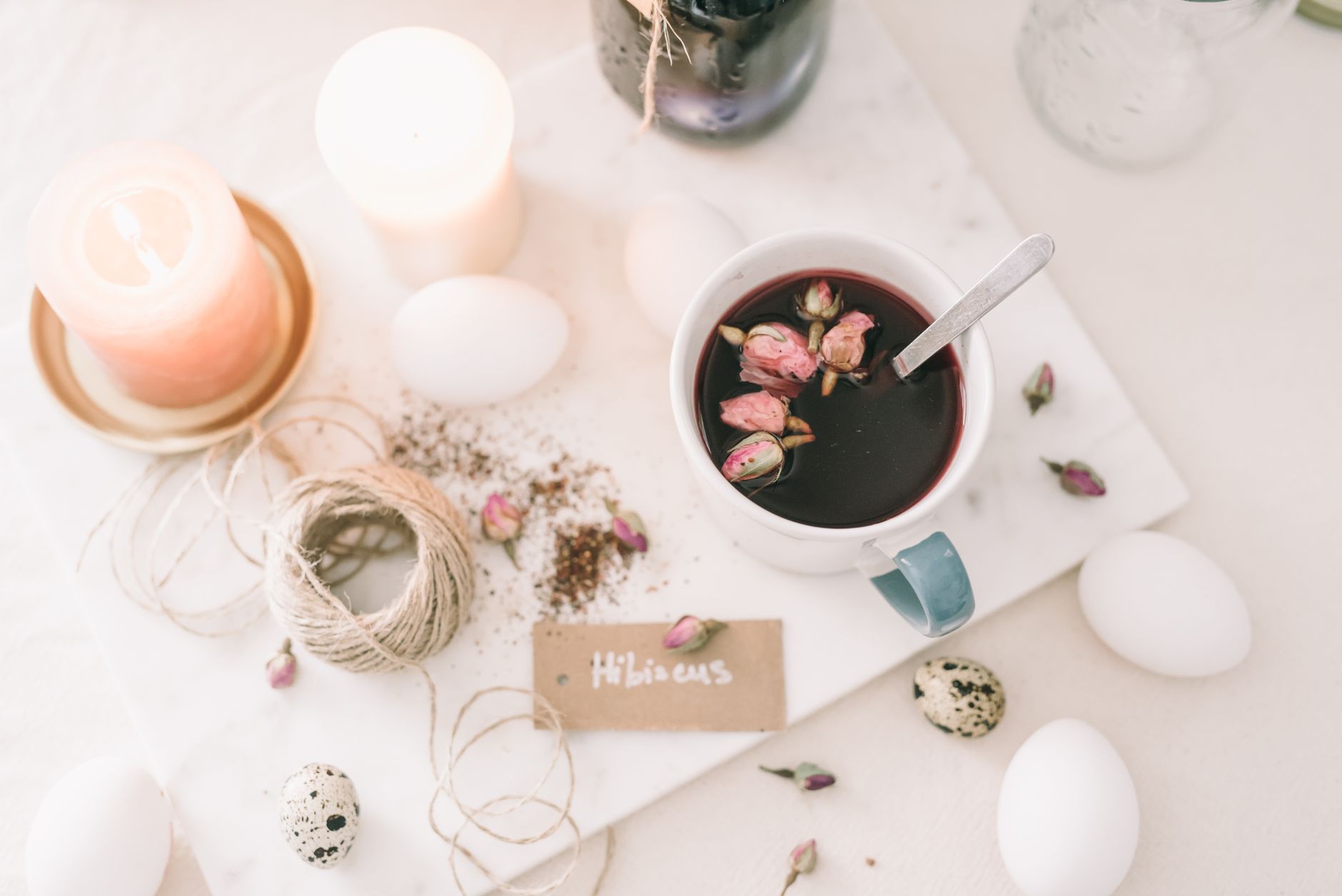
Hibiscus tea is a vibrant, tangy beverage made from dried hibiscus flowers. Its deep crimson color and tart flavor make it a favorite for hot and cold drinks alike. Beyond its refreshing taste, hibiscus tea is also known for its myriad of health benefits, including being rich in antioxidants.
This guide will walk you through how to make hibiscus tea from flowers, along with tips, variations, and common mistakes to avoid. Whether you are starting with dried hibiscus flowers or fresh ones from your garden, this tea can be easily prepared at home.
How To Make Hibiscus Tea From Flowers?
To make hibiscus tea from flowers, you will need dried or fresh hibiscus petals. The process involves steeping the flowers in hot water, which extracts their vibrant color and tart flavor. The tea can be enjoyed hot or cold, sweetened or unsweetened, and is particularly refreshing during warmer months.
Ingredients You’ll Need
- 1 cup dried hibiscus flowers or 1 cup fresh hibiscus petals
- 4 cups water
- Sweetener of choice, such as sugar, honey, or a sugar substitute (optional)
- Lemon slices or mint leaves for garnish (optional)
Essential Equipment
- Medium saucepan or kettle
- Strainer or fine mesh sieve
- Pitcher or heatproof container
- Cups for serving
Step-by-Step Method to Make Hibiscus Tea
- Boil the Water: In a medium saucepan or kettle, bring 4 cups of water to a rolling boil over medium-high heat.
- Add Hibiscus Flowers: Once the water is boiling, remove it from heat. Add 1 cup of dried hibiscus flowers or fresh hibiscus petals to the boiled water.
- Steep: Cover the saucepan and let the hibiscus steep for about 15-20 minutes. The longer you steep, the richer the flavor will be.
- Strain the Tea: After steeping, use a strainer or fine mesh sieve to strain the tea into a pitcher or heatproof container, discarding the hibiscus flowers.
- Sweeten (Optional): If desired, add your sweetener of choice while the tea is still warm. Stir well to dissolve. Allow the tea to cool to room temperature, then refrigerate if you plan to serve it cold.
- Serve: Serve hot, or pour over ice if serving cold. Garnish with lemon slices or mint leaves if desired.
Understanding the Ingredients
The primary ingredient in hibiscus tea is, of course, the hibiscus flower. The most common variety used for tea is Hibiscus sabdariffa, known for its bright red petals and tart flavor. Each ingredient serves a distinct purpose:
- Dried Hibiscus Flowers: These offer a concentrated flavor and color, making them ideal for tea. Look for organic dried flowers to ensure the best flavor.
- Fresh Hibiscus Petals: If you have access to fresh hibiscus flowers, they can also be used. Fresh petals typically yield a lighter flavor and color compared to dried flowers.
- Water: Quality water will impact the overall taste. Filtered water is preferable.
- Sweeteners: Depending on your preference, various sweeteners can enhance the taste. Sugar will dissolve easily in warm tea, whereas honey adds a floral note.
- Garnishes: Lemon and mint not only serve as decoration but can also enhance the tea’s refreshing qualities.
Tips for Making Hibiscus Tea
- Adjusting Flavor: If you prefer a sweeter tea, start with less sweetener and adjust to taste.
- Chill it Out: For iced hibiscus tea, cool it down rapidly by pouring it over ice or refrigerating until cold.
- Herbal Additions: Experiment with flavors by adding ginger, cinnamon, or citrus peels during the steeping process for a unique twist.
- Control Color: The longer you steep hibiscus flowers, the more vibrant the color will be. Less steeping time yields a lighter hue and milder flavor.
Common Mistakes and Troubleshooting
Making hibiscus tea is mostly straightforward, but common pitfalls can affect the final result. Here are some mistakes to watch out for:
- Oversteeping: If you steep hibiscus flowers for too long, the flavor may become overly tart and unpleasant. Aim for the recommended steeping time for best results.
- Using Too Much Sweetener: Adding too much sweetener can mask the natural tartness of hibiscus, so add gradually and taste as you go.
- Not Using Enough Flowers: If the tea is too weak, ensure you are using the recommended amount of hibiscus flowers or consider increasing it according to your taste preference.
Variations of Hibiscus Tea
Hibiscus tea can easily be customized to suit your tastes. Here are a few variations to consider:
Iced Hibiscus Tea
Prepare the tea as instructed and serve it over ice. For added flavor, incorporate fresh fruits like berries or citrus slices right before serving.
Spiced Hibiscus Tea
Add whole spices like cloves, cinnamon sticks, or allspice berries to the pot during steeping. This will infuse the tea with a warm, aromatic flavor profile.
Hibiscus Lavender Tea
Add dried lavender flowers to the hibiscus while steeping for a floral aroma that complements the tartness of the hibiscus.
Sweetened Hibiscus Lemonade
Combine brewed hibiscus tea with freshly squeezed lemon juice and your desired sweetener for a refreshing drink that’s perfect for summer.
Storage and Make-Ahead Guidance
Hibiscus tea can be made ahead of time. Here are some guidelines for storing and preparing in advance:
- Refrigeration: Store any leftover hibiscus tea in a sealed container in the refrigerator for up to 5 days. The flavor may intensify over time, so keep this in mind when preparing.
- Concentration: If you plan to make iced tea and want to prepare it in advance, make a concentrated batch. Simply use half the water in the initial brewing, then dilute with ice or cold water before serving.
Health Benefits of Hibiscus Tea
Hibiscus tea is not only delicious but also packed with potential health benefits:
- Rich in Antioxidants: Hibiscus contains high levels of antioxidants, which can help combat oxidative stress in the body.
- Supports Heart Health: Some studies suggest hibiscus tea may help lower blood pressure and cholesterol levels, contributing to cardiovascular health.
- Promotes Digestive Health: The tea may aid digestion and act as a natural diuretic, helping to reduce bloating.
While hibiscus tea offers many benefits, it’s always wise to consult a medical professional if you have health concerns, particularly if you are pregnant or taking medication that can affect blood pressure.
Flavor Pairing Ideas
When serving hibiscus tea, consider a few pairing ideas to enhance your experience:
- Light Pastries: Pair with scones or light pastries that won’t overpower the tea.
- Fruit Salads: Fresh fruit salads can complement the tartness of hibiscus, making for a refreshing pairing.
- Spicy Dishes: Serve hibiscus tea with spicy or heavily seasoned dishes to balance flavors.
Conclusion
Hibiscus tea is a delightful drink that can be customized through various methods, providing both flavor and potential health benefits. Making it from flowers—whether dried or fresh—is simple and rewarding. Feel free to experiment with flavors and garnishes to create a tea that perfectly suits your palate.
If you enjoyed learning about hibiscus tea, consider trying your hand at cold hibiscus tea or preparing a refreshing hibiscus juice recipe!