
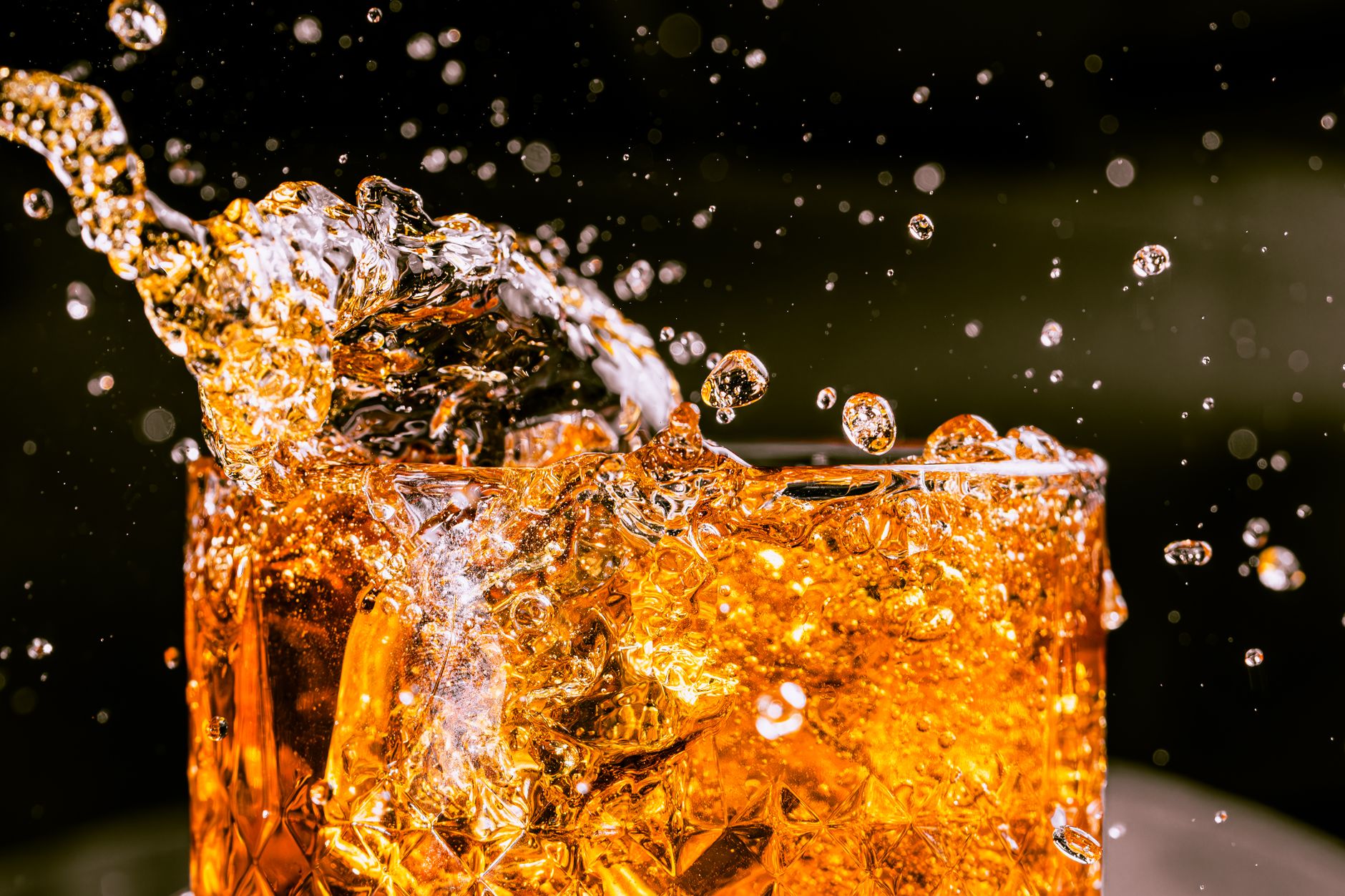
Whiskey and whisky—while they may seem interchangeable, these terms refer to distinct categories of spirits, shaped by geography and production methods. Understanding their differences will elevate your appreciation of these classic drinks and enhance your cocktail-making skills.
This guide provides a comprehensive look at the origins, definitions, and nuances behind whiskey and whisky. You’ll discover how to choose between them, their roles in cocktails, and tips on mixing drinks that showcase their unique flavors.
Is It Whiskey Or Whisky?
Whiskey and whisky differ in spelling and origin. “Whiskey” typically refers to spirits produced in the United States and Ireland, while “whisky” is used for those made in Scotland, Canada, and Japan. The spelling reflects regional traditions and regulations.
The Origins of Whiskey and Whisky
The history of whiskey dates back centuries, with its origins attributed to the distillation processes that began in ancient Mesopotamia. The modern forms of whiskey and whisky emerged in different regions, each contributing uniquely to the spirit’s evolution.
Whiskey
In Ireland, the term “whiskey” is derived from the Gaelic word “uisce beatha,” meaning “water of life.” Irish whiskey is typically triple-distilled, resulting in a smoother flavor profile. In the United States, whiskey produced in places like Kentucky is often made from a mash of corn, leading to sweeter notes.
Whisky
Scottish whisky primarily uses malted barley and is known for its distinctive peaty flavor, especially from regions like Islay. Whisky production regulations in Scotland impose strict guidelines concerning aging, ingredients, and distillation methods. Canadian whiskies tend to be lighter and often incorporate rye, showcasing subtle flavors and a smooth finish.
Types of Whiskey and Whisky
Understanding the various types of whiskey and whisky can enhance your enjoyment and selection. Here are some of the prominent varieties you might encounter:
Irish Whiskey
- Typically triple-distilled for smoothness.
- Commonly unpeated and characterized by honeyed sweetness.
- Examples include Jameson and Bushmills.
Scotch Whisky
- Must be made in Scotland, aged for at least three years.
- Can be single malt (100% malted barley) or blended (various malt and grain whiskies).
- Notable types include Single Malt and Blended Scotch.
Bourbon
- An American whiskey made primarily from corn (at least 51%).
- Known for its rich, sweet flavor, often with caramel and vanilla notes.
- Examples include Maker’s Mark and Buffalo Trace.
Rye Whiskey
- Must contain at least 51% rye in the mash bill.
- Offers a spicier and bolder flavor compared to bourbon.
- Popular brands include Bulleit and Sazerac Rye.
Canadian Whisky
- Often blended and includes a variety of grains.
- Generally lighter in flavor and smooth on the palate.
- Examples include Crown Royal and Canadian Club.
The Flavor Profiles of Whiskey and Whisky
The flavor profiles of whiskey and whisky can be heavily influenced by production methods, ingredients, and aging processes. Understanding these flavors is vital when crafting cocktails or selecting a neat pour.
Common Flavor Notes
- Fruity: Some whiskeys have notes of apple, pear, or dried fruits.
- Spicy: Rye whiskey often showcases baking spices like cinnamon and nutmeg.
- Woody: The influence of oak barrels commonly imparts vanilla and caramel flavors.
- Earthy: Peated Scotch can present smoky and earthy notes.
Aging and Its Impact
Aging whiskey in barrels allows it to develop complex flavors. Factors such as the wood type, barrel size, and climate play crucial roles. For instance, American oak barrels often lend sweetness, while European oak can enhance depth and richness.
Using Whiskey and Whisky in Cocktails
Whiskey and whisky can elevate a range of classic cocktails. Knowing which spirit to use will enhance the overall flavor and effectiveness of each drink.
Classic Cocktails That Showcase Whiskey and Whisky
- Old Fashioned: A simple yet timeless cocktail that balances whiskey with sugar and bitters.
- Whiskey Sour: A refreshing mixture of whiskey, lemon juice, and simple syrup, often garnished with a cherry or orange slice.
- Manhattan: A strong cocktail, combining whiskey, sweet vermouth, and bitters.
- Whiskey Sidecar: A delightful drink featuring whiskey mixed with orange liqueur and lemon juice.
Making the Perfect Whiskey Cocktail
Creating delicious whiskey cocktails requires attention to detail, from selecting the right ingredients to employing proper techniques.
Essential Ingredients
- Quality whiskey or whisky to ensure the best flavor.
- Fresh citrus or mixers for complementary tastes.
- Simple syrup or sugar for sweetness, if needed.
- Angostura bitters to enhance the drink’s complexity.
Tools You Will Need
- Mixing glass or shaker for cocktails.
- Bar spoon or muddler for combining ingredients.
- Strainer to remove ice or solids before serving.
- Jigger for measuring precise amounts.
Technique for Mixing Cocktails
- Start by chilling your glass. This can be done by filling it with ice water while you mix.
- Measure your ingredients carefully using a jigger.
- If using a shaker, add the whiskey and mixers into the shaker with ice.
- Shake or stir to chill and incorporate flavors. Shorter shakes for delicate cocktails, longer for stronger mixes.
- Strain into your chilled glass and garnish as desired.
Common Mistakes to Avoid
When crafting whiskey cocktails, a few common pitfalls can hinder the final product’s quality.
- Using low-quality spirits can lead to subpar cocktails.
- Over-diluting drinks by shaking or stirring for too long.
- Neglecting to taste as you mix—always check the balance.
- Failing to properly garnish, which can elevate the drink’s presentation and aroma.
Serving Suggestions and Food Pairings
Whiskey and whisky can beautifully complement various foods, enhancing the dining experience.
Food Pairings
- Meats: Whiskeys pair well with grilled meats, rich barbeque, or smoked dishes.
- Cheeses: Aged cheddar or blue cheese can harmonize nicely with whiskey flavors.
- Sweet Desserts: Dark chocolate or caramel desserts meld perfectly with bourbon’s sweetness.
Experiments with Flavor
Consider using whiskey or whisky in cooking to infuse dishes with robust flavors. Incorporating a splash into marinades or sauces can elevate your culinary creations.
Conclusion and Next Steps
Understanding the distinctions between whiskey and whisky, their types, and their application in cocktails can significantly enhance your knowledge and enjoyment of these spirits. As you explore various recipes and mixes, don’t hesitate to experiment with flavors that suit your palate.
For refreshing cocktail ideas, try our Whiskey Sour Recipe or create a classic Whiskey Sidecar. Expand your repertoire and enjoy the diverse world of whiskey and whisky!