
Understanding the properties of alcohol is essential for both cooking and cocktail crafting. One common question many people ask is whether alcohol can freeze. This query arises from the desire to understand how to store, serve, and use different types of alcoholic beverages effectively.
The freezing point of alcohol varies based on its concentration. Pure ethanol, the type found in alcoholic beverages, freezes at around -114°F (-81°C). However, most drinks contain water and other ingredients that influence their freezing points. This article will explore the freezing properties of various types of alcohol, storage tips, and when to consider freezing drinks for cocktails or desserts.
Can Alcohol Freeze?
Alcohol can freeze, but the freezing point depends on its alcohol by volume (ABV). Beverages like vodka, rum, and whiskey typically do not freeze in most household freezers, while lighter alcohols or those mixed with other ingredients may freeze under the right conditions.
Understanding Freezing Points of Different Types of Alcohol
The freezing point of a liquid is determined by its composition. Here, we break down some common alcoholic beverages and their approximate freezing points.
1. Pure Ethanol
Pure ethanol has a freezing point of about -114°F (-81°C). This is far below the temperatures that conventional freezers reach, which is around 0°F (-18°C). Thus, pure ethanol will remain liquid in a standard freezer.
2. Spirits (Vodka, Whiskey, Rum, etc.)
Spirits usually have a high alcohol content, ranging from 20% to 60% ABV. As a result, they generally freeze at much lower temperatures than water.
- Vodka (around 40% ABV): Freezes at approximately -16°F (-26°C)
- Whiskey (around 40% ABV): Freezes around -16°F (-26°C)
- Rums (varies but typically around 35% to 50% ABV): Freezes similarly to vodka and whiskey
Because most home freezers do not reach these temperatures, vodka and whiskey will remain liquid even after long periods in the freezer.
3. Liqueurs
Liqueurs are sweetened spirits that often contain lower ABV and additional ingredients like cream, fruit, or sugar. Because of this combination, their freezing points can be closer to that of water and sometimes even lower, depending on the sugar content.
- Baileys Irish Cream: Can freeze if left in the freezer for too long, as its water content is considerable.
- Triple Sec or other fruit liqueurs (around 20-30% ABV): Likely to freeze at approximately 15°F (-9°C).
4. Wines and Champagnes
Wines generally contain 8-14% ABV, and Champagnes can range from about 8-12% ABV. Thus, they can freeze and usually do so at about 15-20°F (-9 to -6°C). It’s wise to store them in a refrigerator rather than the freezer if you want to avoid any damage to the bottle or cork leaks.
Practical Uses for Freezing Alcohol
While most strong alcohols won’t freeze, there are creative ways to incorporate freezing alcohol into your drinks and dishes.
1. Chilling Cocktails
If you want to serve cocktails icy cold without diluting them, you can freeze certain alcohols like vodka or rum specifically designed for this purpose. Here’s how:
- Place your desired spirit in the freezer for several hours.
- Use chilled alcohol in your cocktail recipes to avoid using ice, thus preventing dilution.
2. Making Frozen Cocktails
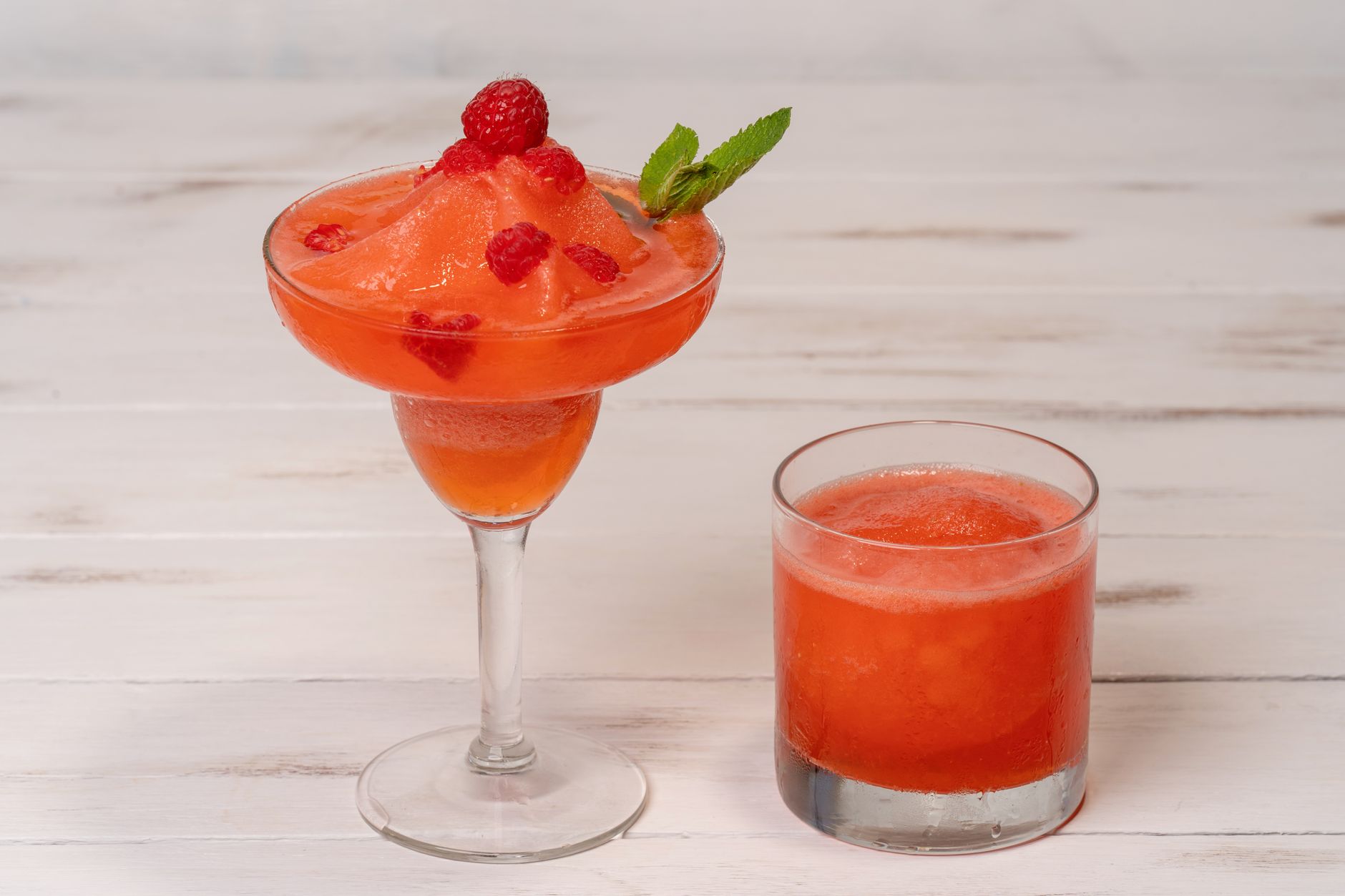
Frozen cocktails like slushies or daiquiris use blended fruit or ice, combined with a spirit. The alcohol’s lower freezing point allows for a perfectly slushy consistency. Try this:
- Blend together your chosen fruit (like strawberries or mango), ice cubes, and a spirit like rum or tequila.
- Serve immediately for a refreshing frozen drink.
3. Alcohol-Infused Desserts
In desserts, you can use alcohol to elevate flavors. Ice creams, sorbets, and granitas can incorporate alcohol. When you do:
- Use spirits with a higher ABV to avoid freezing solid and maintain a scoopable texture.
- Mix with fruit puree or other flavors for a balanced sweetness.
Tips for Freezing Alcohol
If you decide to experiment with freezing alcohol, here are some essential tips:
- Avoid Glass Bottles: Never freeze alcohol in glass bottles as they can shatter. Use plastic containers.
- Leave Room: Liquids expand when frozen, so always leave space at the top of your container.
- Choose the Right Alcohol: Stick to spirits with higher ABVs; low-alcohol beverages may become too solid.
- Serve Chilled: If freezing isn’t ideal, simply chill your spirit in the refrigerator or a wine chiller instead.
Common Mistakes When Freezing Alcohol
1. Freezing Multicomponent Cocktails
Freezing drinks that contain fruit juices or liqueurs may lead to a separated texture once thawed. Preparing cocktails immediately before serving is the best practice.
2. Forgetting About Sugar Content
Beverages with high sugar content can result in a more syrupy consistency upon thawing. Be mindful of how much sugar or sweet liqueur is in your drink.
3. Bad Flavor Development
Some flavors can dull or change when frozen, especially those that are delicate like fresh herbs or citrus zest. Add fresh ingredients just before serving.
Storage and Serving Tips for Freezing Alcohol
Knowing how to properly store your alcohol and how to serve it once you’ve taken it from the freezer can significantly enhance its quality.
1. Ideal Storage Conditions
When storing alcohol in the freezer or refrigerator, keep the following in mind:
- Store bottles upright to minimize leakage and protect the cork.
- Avoid frequent opening of the freezer door to maintain a consistent temperature.
2. Serving Suggestions
When serving chilled or frozen spirits, consider the type of glassware that enhances the drinking experience:
- Use shot glasses for straight spirits.
- Opt for highball or cocktail glasses when mixing drinks.
- Chill glasses beforehand for an extra touch of elegance.
Conclusion
Understanding whether alcohol can freeze is a practical skill that can elevate your cooking and dining experience. While spirits generally don’t freeze in a typical home freezer, creative applications exist, from cocktails to desserts. By considering the right types of alcohol, using proper storage techniques, and avoiding common mistakes, you can become adept at handling alcohol in its various forms.
For further exploration, consider trying a Frozen Irish Coffee Recipe or a delicious Brandy Slush Recipe to see how freezing alcohol can play a role in your culinary creations.