
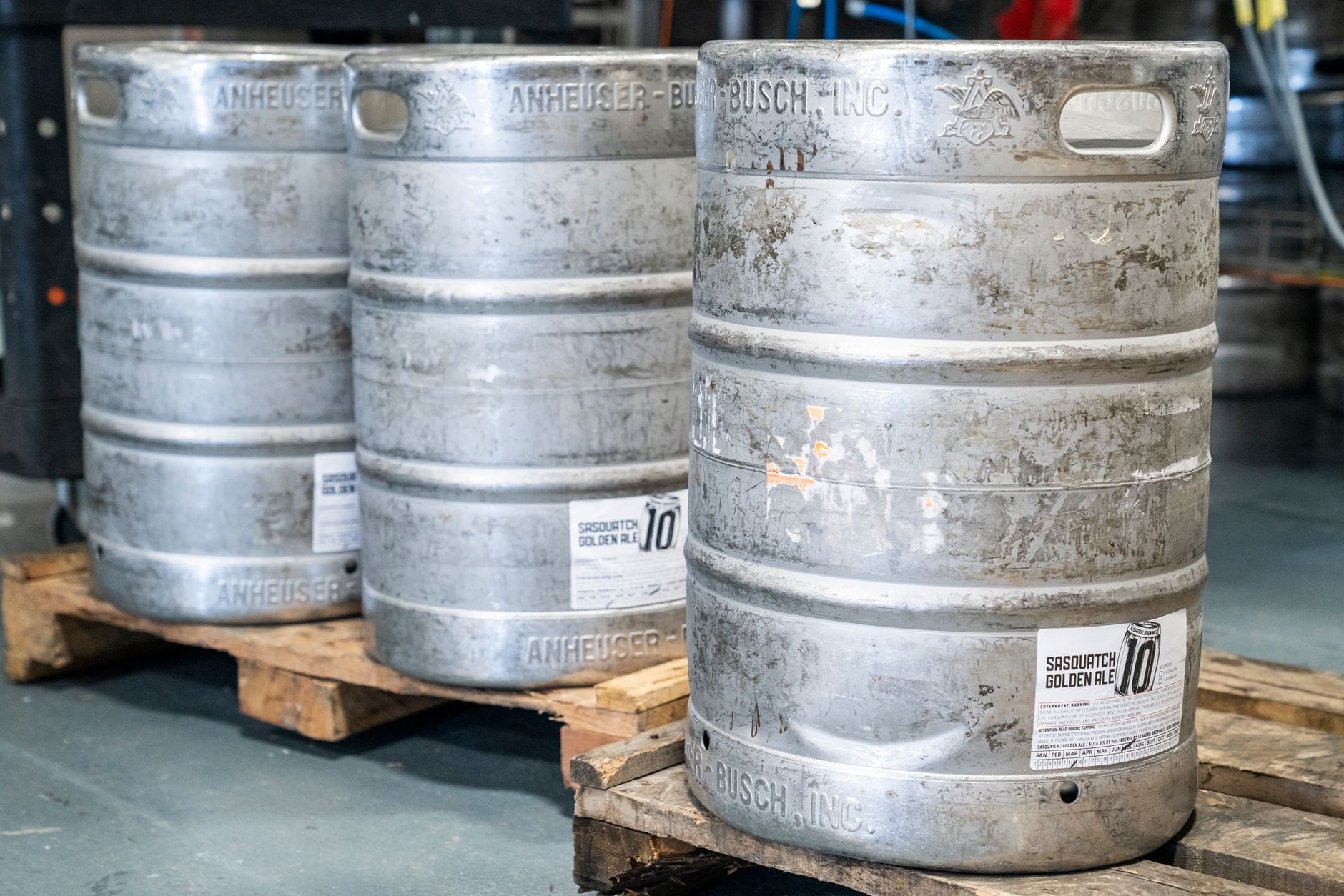
A quarter keg is a popular choice for gatherings, parties, and celebrations, but understanding its volume and how many servings it can provide is crucial for planning. Whether you’re hosting a barbecue, a wedding, or simply enjoying a backyard get-together, knowing how much beer is in a quarter keg will help you determine the right amount for your needs.
This guide will explore the specifications of a quarter keg, including its volume, serving sizes, and best practices for storage and serving beer. Let’s explore the essentials to make your next event a success.
How Much Beer Is In A Quarter Keg?
A quarter keg contains approximately 7.75 gallons of beer, which is equivalent to 29.3 liters. To put this into perspective, a quarter keg can yield around 82 twelve-ounce servings or 62 sixteen-ounce servings. This makes it a great option for smaller gatherings or events where variety is desired.
Understanding Keg Sizes
Before delving into the specifics of a quarter keg, it’s important to understand the various keg sizes available. Kegs are typically classified into several standard sizes, each serving different volume needs.
- Full Keg (Half Barrel): 15.5 gallons (58.7 liters) – approximately 165 twelve-ounce servings.
- Quarter Keg (Pony Keg): 7.75 gallons (29.3 liters) – approximately 82 twelve-ounce servings or 62 sixteen-ounce servings.
- Sixth Keg (Sixtel): 5.16 gallons (19.5 liters) – approximately 55 twelve-ounce servings.
- Mini Keg: 1.32 gallons (5 liters) – approximately 14 twelve-ounce servings.
Understanding these sizes can help you choose the right amount of beer for your event based on the expected number of guests and their consumption patterns.
Calculating Servings from a Quarter Keg
To estimate how many servings you can get from a quarter keg, consider the size of the beer glass or cup you will be using. Here’s a breakdown:
Typical Serving Sizes:
- Twelve-Ounce Cups: A quarter keg holds about 82 twelve-ounce servings. This is the most common size for casual events.
- Sixteen-Ounce Cups: You can get approximately 62 sixteen-ounce servings. Ideal for sports events or larger gatherings.
- Pint Glasses: If you serve in pint glasses (16 oz), you will still get around 62 servings.
- Sampling Sizes: For those offering smaller tastings, if you size servings down to 4 ounces, you could serve approximately 248 samples.
Always consider your crowd and serve appropriately based on the type of event you’re hosting. A good rule of thumb is to estimate around 1 to 2 drinks per guest per hour during the event.
Best Practices for Storing and Serving Beer from a Quarter Keg
Proper storage and serving of beer are crucial to maintain its quality and freshness. Here are some best practices to ensure every sip is enjoyable:
Storage Tips
- Keep It Cold: Beer should be stored at a temperature between 36°F and 38°F. This helps maintain flavor and carbonation.
- Limit Exposure to Light: UV light can degrade beer quality. Store kegs in a dark space or use an insulated keg jacket.
- Keep Kegs Upright: Storing kegs upright prevents sediment from stirring up, which can alter the beer’s flavor.
- Handle with Care: Kegs can be heavy and should be moved carefully to avoid any spills or damages.
Serving Tips
- Use a Quality Tap System: A proper draft system will ensure the beer is served at the ideal temperature and pressure, preserving the beer’s carbonation and flavor.
- Clean Glassware: Ensure that the glasses you are using are clean and free from residue to enhance the beer’s taste.
- Pouring Angle: Pour beers at a 45-degree angle and gradually straighten the glass as it fills to achieve the perfect foam head. Aim for about one inch of head.
- Monitor Consumption: Keep track of how much beer is consumed to avoid running out unexpectedly.
- Be Mindful of Spillage: Set up your serving station thoughtfully to minimize spills and ensure easy access to the keg.
Choosing the Right Beer for Your Quarter Keg
When planning your event, the type of beer you choose is essential. Preferences can vary greatly between guests, so consider offering a selection of beers or simply one type that aligns with the theme of your gathering. Here are some popular options:
Types of Beer
- Lager: Generally light and crisp, lagers are widely popular and pair well with most foods.
- Ales: Ales come in many varieties, from hoppy IPAs to dark stouts, offering a range of flavors suitable for a diverse crowd.
- Wheat Beers: Refreshing and often fruity, wheat beers are excellent for warm-weather gatherings.
- Seasonal Brews: Consider bringing in seasonal ales, such as pumpkin ale in the fall or wheat beers in the summer, to keep your selection fresh.
When selecting your beer, consider your guests’ preferences and any potential dietary restrictions. Always check labels for gluten content if serving those with gluten sensitivities.
Pairing Beer with Food
Beer is not just a beverage; it’s a culinary experience that can enhance food flavors. Pairing beer with food may elevate your gathering experience, adding an extra layer of enjoyment. Here are some suggestions for food pairings:
- Lager: Crisp lagers pair wonderfully with spicy foods, fried snacks, and grilled meats.
- Ales: Ale complements rich dishes such as barbecue, hearty stews, and cheese platters.
- Wheat Beers: These are excellent matches for many salads, seafood, and light appetizers like bruschetta.
- Stouts: Dark stouts work well with desserts like chocolate cake or brownies, making them an ideal pairing for a sweet finish.
Common Mistakes and Troubleshooting Tips
Even experienced hosts can run into issues while serving beer from a quarter keg. Here are some common mistakes and solutions to ensure your event goes smoothly:
Over-Pressurizing the Beer
Too much pressure can lead to excessive foam. Adjust the pressure regulator according to the type of beer you are serving; most beers are best served at 10-14 PSI.
Not Chilling the Keg
Failing to keep the keg cold can result in warmer beer that lacks flavor. Use a keg cooler or ice bath to maintain the ideal serving temperature.
Poor Quality Draft System
A subpar tap system can negatively impact the beer’s taste and carbonation. Make sure your tap system is clean and well-maintained.
Running Out of Beer
Estimate beer consumption accurately and have a backup plan in case you run low. This could be another keg, a few cases of bottled beer, or a selection of non-alcoholic beverages.
Sour or Off-Flavors in Beer
If you notice sour flavors or off-flavors, it may indicate that the beer is past its prime or that your serving system needs cleaning. Always check the freshness dates and perform routine maintenance on your tap equipment.
Conclusion
Planning an event with a quarter keg requires some knowledge about its capacity, appropriate serving practices, and choosing the right beer. By following best practices, you can ensure that guests enjoy flavorful, cold beer throughout your event.
For a successful celebration, remember to factor in the number of guests, their preferences, and your storage and serving methods. With the right preparation, your quarter keg will provide a great experience for all.
For more tips and recipes related to drinks, explore our summer beer recipe or discover an exciting beer recipe with a twist.