
Coffee enthusiasts often find themselves caught in a delightful debate over the nuances of their favorite beverages. Among the most popular are the macchiato and latte, two espresso-based drinks that tantalize taste buds yet differ significantly in preparation, flavor, and presentation.
This article will explore the key distinctions between a macchiato and a latte, providing insight into their ingredients, brewing methods, and serving styles. Whether you are looking to expand your coffee knowledge or choose the perfect drink for your next café visit, read on to uncover the intricacies of these beloved coffee creations.
What Is The Difference Between Macchiato And Latte?
The primary difference between a macchiato and a latte lies in their composition. A macchiato features a shot of espresso “stained” with a small amount of foamed milk, emphasizing the espresso flavor. In contrast, a latte combines a larger amount of steamed milk with espresso, creating a creamier and milkier drink. This results in distinct flavor profiles and textures for each beverage.
Understanding Macchiato
A macchiato, translating to “stained” or “spotted” in Italian, is typically made with one or two shots of espresso topped with a small amount of milk foam. This simple yet flavorful drink allows the coffee to take center stage, making it an excellent choice for those who prefer a bold taste.
Types of Macchiatos
- Traditional Macchiato: Made with espresso and a dab of milk foam, this variation holds the essence of espresso.
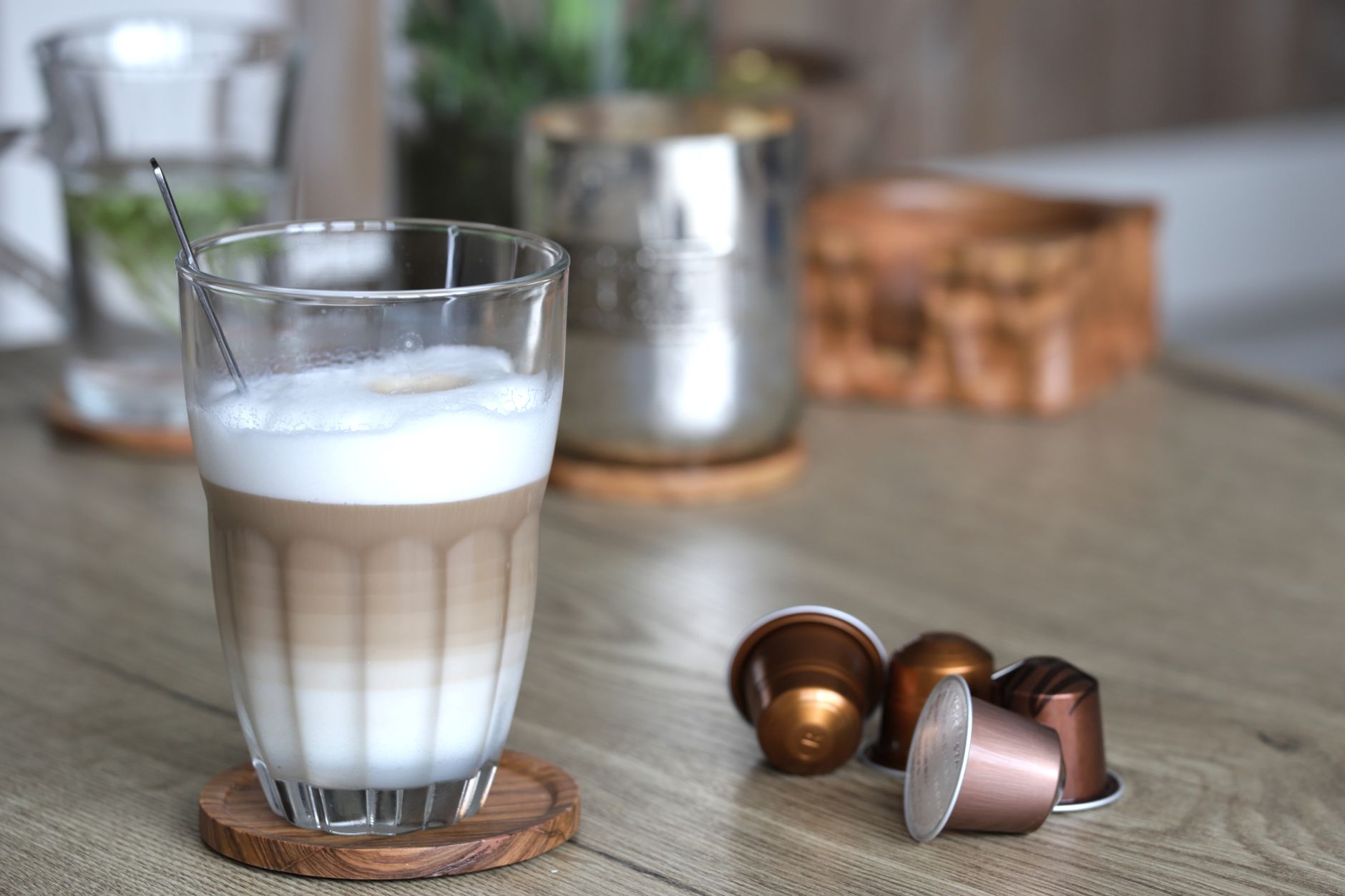
- Latte Macchiato: This version is prepared in reverse, featuring steamed milk layered under espresso, resulting in the espresso being “stained” by the milk.
Flavor and Texture
The flavor of a macchiato is much more intense than that of a latte due to the larger espresso-to-milk ratio. The texture is bold and rich, emphasizing the espresso’s strength without being overwhelmed by milk. The little foam on top adds a slight creaminess while still letting the coffee shine.
Ingredients for a Traditional Macchiato
- 1 or 2 shots of espresso
- 1 to 2 tablespoons of foamed milk
Essential Equipment
- Espresso machine or stovetop espresso maker
- Milk frother or steam wand to create foam
- Small cup or glass for serving
How to Make a Traditional Macchiato
- Prepare your espresso using an espresso machine or stovetop espresso maker.
- While the espresso is brewing, froth a small amount of milk (about 1 to 2 tablespoons).
- Pour the freshly brewed espresso into a small cup and top it with the foamed milk.
- Serve immediately and enjoy the strong flavor profile of the macchiato.
Understanding Latte
The latte, short for “caffè latte,” is a popular coffee drink that combines espresso with steamed milk and a layer of milk foam on top. This beverage embodies a creamy and smooth experience, making it a favorite among those who prefer a milder coffee flavor.
Flavor and Texture
Latte offers a balanced blend of espresso and milk, resulting in a creamy and luscious texture. The addition of steamed milk tones down the espresso’s bitterness and creates a sweeter, smoother drink. Depending on the milk used, the flavor profile can vary, from rich and velvety to slightly nutty or even fruity with alternative milk options.
Ingredients for a Latte
- 1 or 2 shots of espresso
- 6 to 8 ounces of steamed milk
- 1 to 2 tablespoons of milk foam
Essential Equipment
- Espresso machine or stovetop espresso maker
- Milk frother or steam wand for steaming milk
- Large cup or glass for serving
How to Make a Latte
- Brew one to two shots of espresso using an espresso machine or stovetop espresso maker.
- Steam the milk until it reaches a creamy and velvety texture (around 150 to 155°F for optimal temperature).
- Pour the steamed milk into the espresso, holding back the foam with a spoon during the pour.
- Add the milk foam on top to complete the latte and serve hot.
Preparing the Perfect Macchiato vs. Latte
To create an outstanding macchiato or latte at home, it is essential to understand the preparation techniques and variables that can impact flavor and texture. Below are several tips to consider for each drink.
Common Mistakes When Making a Macchiato
- Using Too Much Milk: A traditional macchiato is meant to be bold. Overdoing the milk dilutes the espresso flavor.
- Inconsistent Espresso Shots: Ensure you are using the right amount of coffee grounds and brewing time for optimal espresso extraction.
- Incorrect Foam Texture: The foam should be small and velvety; excessive air or large bubbles may affect the drink’s mouthfeel.
Common Mistakes When Making a Latte
- Overheating the Milk: Milk that is too hot can scorch, resulting in a burnt flavor and less sweetness.
- Poor Espresso Quality: Always opt for fresh, high-quality coffee beans for the best espresso taste.
- Incorrect Milk-to-Espresso Ratio: A proper latte should maintain a balance of flavors. Use approximately 1 part espresso to 3 parts milk.
Variations and Customizations
Both macchiatos and lattes offer opportunities for creative variations, allowing you to cater to diverse tastes and preferences. Below are some exciting ideas for customizing each drink.
Macchiato Variations
- Caramel Macchiato: Adding vanilla syrup and a drizzle of caramel sauce on top can enhance the sweetness and flavor profile.
- Iced Macchiato: For a refreshing take, pour the espresso over ice and add cold milk instead of steaming it.
Latte Variations
- Flavoring Syrups: Experiment with flavored syrups like hazelnut, vanilla, or mocha for a personalized touch.
- Alternative Milks: Try oat milk, almond milk, or coconut milk for a different taste and texture.
Latest Trends in Macchiato and Latte Preparations
The coffee scene is ever-evolving, and new trends constantly emerge pertaining to macchiatos and lattes. Staying informed allows enthusiasts to discover new flavors and experiences.
Macchiato Trends
- Flavored Options: Coffee shops are introducing uniquely flavored macchiatos inspired by desserts, such as raspberry or chocolate chip.
- Non-Dairy Macchiatos: Plant-based milk alternatives have sparked an interest in vegan macchiatos, using oat or almond milk for a creamy finish.
Latte Trends
- Decorative Latte Art: Learn to create elaborate designs with steamed milk, from hearts to rosettas, which enhances the visual experience.
- Spiced Lattes: Seasonal trends such as pumpkin spice lattes or turmeric lattes have gained popularity, attracting those looking for unique flavors.
Final Thoughts
The distinction between macchiatos and lattes highlights the diversity within the world of coffee. Armed with knowledge of their differences, flavors, and preparation methods, you are now better equipped to make informed choices about your coffee beverages.
Whether you gravitate toward the intensity of a macchiato or the creaminess of a latte, each offers its unique charm. Experimenting with these drinks at home can lead to a deeper appreciation of coffee’s nuances and a chance to find your personal favorite.
For those who enjoy trying different variations, consider exploring recipes like a Dirty Chai Latte or learning how to craft an Oat Milk Latte; whatever your preference, the world of coffee has much to offer.
Discover more intriguing coffee recipes, cooking tips, or expert food guides by exploring related culinary resources.