
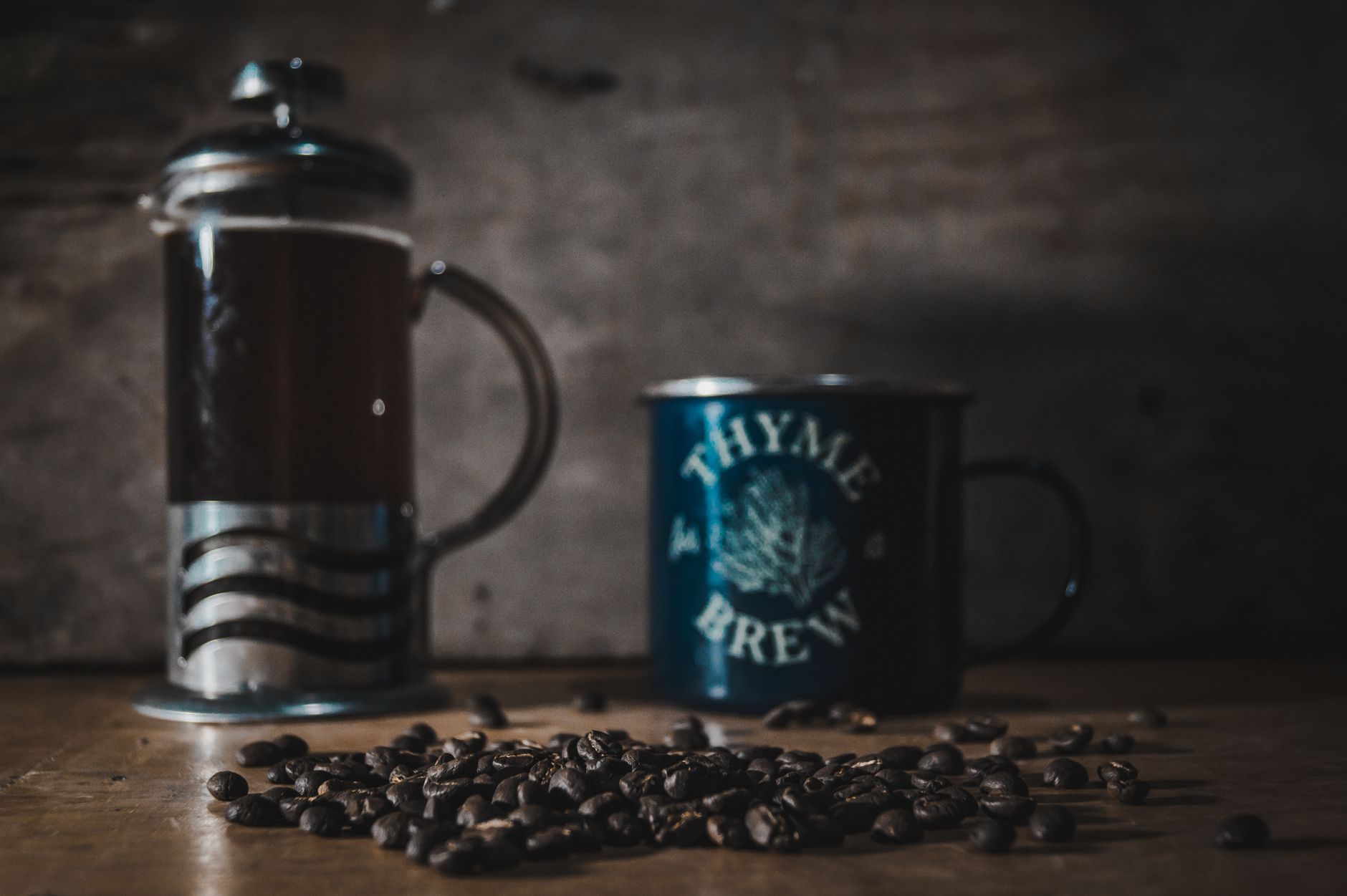
Making coffee with a French press is a delightful way to enjoy a rich and full-bodied brew. However, getting the coffee-to-water ratio just right can sometimes be perplexing, especially for those new to using this classic coffee-making technique.
This article will guide you in determining exactly how many tablespoons of coffee to use in a French press, aiming for the ideal balance that maximizes flavor while catering to your personal taste preferences.
How Many Tablespoons of Coffee in a French Press?
The general recommendation for brewing coffee in a French press is to use about 1 to 2 tablespoons of coffee per 6 ounces of water. However, this can be adjusted based on your taste preference and the strength of the coffee you enjoy. A standard starting ratio is 1 tablespoon of coffee per 6 ounces of water for a milder brew, increasing to 2 tablespoons for a stronger cup.
Understanding the French Press Method
The French press, also known as a press pot or plunger pot, works by steeping coarsely ground coffee beans in hot water before separating the grounds through a plunger. This method allows the natural oils and flavors to be extracted, resulting in a rich and aromatic cup of coffee.
The choice of coffee-to-water ratio is crucial because it affects the concentration and flavor of your brew. Too much coffee can lead to bitterness, while too little may yield a weak and flavorless cup. Let’s explore in detail how to perfect your French press coffee experience.
Factors Influencing the Coffee-to-Water Ratio
Several factors can influence the optimal coffee-to-water ratio when using a French press:
- Coffee Bean Type: Different beans have varied flavor profiles, which may require adjustments in the amount used.
- Grinding Consistency: Coarse grounds are ideal for a French press, while finer grounds can lead to over-extraction and a bitter taste.
- Brewing Time: The duration of steeping influences the intensity. A longer brew time requires adjusting the coffee quantity.
- Personal Preference: Everyone has a unique preference for the strength of coffee, which should factor into your measurements.
The Ideal Coffee-to-Water Ratio
Below is a simplified guide to the coffee-to-water ratio for different strengths of French press coffee:
| Strength | Coffee (tablespoons) | Water (ounces) |
|---|---|---|
| Mild | 1 | 6 |
| Standard | 1.5 | 6 |
| Strong | 2 | 6 |
| Extra Strong | 3 | 6 |
Example Measurement Calculations
If you want to brew a full 12-cup French press (which equals approximately 72 ounces), here’s how to calculate the coffee needed based on the desired strength:
- Mild: 12 tablespoons of coffee (1 tablespoon x 12 cups)
- Standard: 18 tablespoons of coffee (1.5 tablespoons x 12 cups)
- Strong: 24 tablespoons of coffee (2 tablespoons x 12 cups)
- Extra Strong: 36 tablespoons of coffee (3 tablespoons x 12 cups)
Essential Ingredients for French Press Coffee
To make a delicious cup of coffee using a French press, you’ll need:
- Coarse ground coffee: Choose your preferred coffee beans, and use a burr grinder for a consistent grind size.
- Filtered water: Using clean, filtered water enhances the taste of your coffee.
- Equipment: A French press, a kettle (preferably electric for speed), and a stirring utensil (wooden or plastic to avoid damaging the glass).
Step-by-Step Brew Instructions
Follow these detailed steps for brewing coffee with a French press:
- Measure Coffee: Determine your desired coffee strength and measure the appropriate amount of coarse ground coffee using the ratios provided above.
- Heat Water: Bring filtered water to a boil, then let it cool for about 30 seconds after boiling. The ideal temperature for brewing is between 195°F to 205°F (90°C to 96°C).
- Combine Coffee and Water: Add the measured coffee grounds into the French press. Pour the hot water over the grounds, ensuring all the coffee is saturated.
- Stir Gently: Use a spoon to stir the mixture gently, making sure that all grounds are fully submerged.
- Steep: Place the lid on the French press and let it steep for about 4 minutes. Adjust steeping time according to your taste preference.
- Press and Pour: After steeping, slowly press the plunger down to separate the grounds from the liquid. Pour the brewed coffee immediately to prevent over-extraction.
Common Mistakes and Troubleshooting
While making French press coffee is straightforward, several common mistakes can affect the final brew:
- Using the Wrong Grind Size: Finer grounds can clog the filter and create a bitter brew. Always use coarsely ground coffee for best results.
- Incorrect Water Temperature: Water that’s too hot can over-extract flavors, while too cool can under-extract. Aim for the ideal brewing temperature.
- Neglecting Coffee Freshness: Using stale coffee beans can result in flat flavors. Always use fresh beans stored in an airtight container.
- Steeping for Too Long: Steeping longer than the recommended time can lead to bitterness. Adjust your steeping time to taste.
Practical Substitutions and Variations
While the classic French press coffee is delightful, here are some variations and substitutions you might consider:
- Decaf Coffee: If you’re looking to cut back on caffeine, using decaffeinated coffee beans will yield a similar flavor profile.
- Flavored Coffee Beans: Experiment with flavored beans such as hazelnut or vanilla for an aromatic twist.
- Spices: Adding a dash of cinnamon or nutmeg before brewing can introduce an enticing flavor. Just remember that less is more!
- Milk or Cream: To create a creamier beverage, consider adding steamed milk or cream to your brewed coffee.
Storage and Reheating Tips
When it comes to storing your leftover coffee:
- Refrigerate leftover coffee in an airtight container if not consumed immediately. However, coffee is best enjoyed fresh.
- Avoid reheating coffee in the microwave, as it can alter the taste. Instead, use a stovetop to reheat gently if necessary.
- For longer storage, keep your coffee beans in an airtight container, away from light, moisture, and heat, to preserve freshness.
Perfecting Your French Press Coffee
To enhance your coffee experience, consider these tips:
- Experiment: Adjust the coffee-to-water ratio and steeping time to find your preferred taste.
- Quality Beans: Invest in high-quality, freshly roasted coffee beans for the best flavor.
- Consistent Measurements: Once you find a ratio you enjoy, stick with it for consistent results.
By understanding the nuances of using a French press, you can create coffee that suits your taste perfectly. Enjoy the journey of finding your ideal brew, and share this method with friends who may appreciate it too!
Explore more tips about making coffee, such as French Press Cold Brew Recipe or a refreshing Coffee Negroni Recipe for your next café experience at home.