
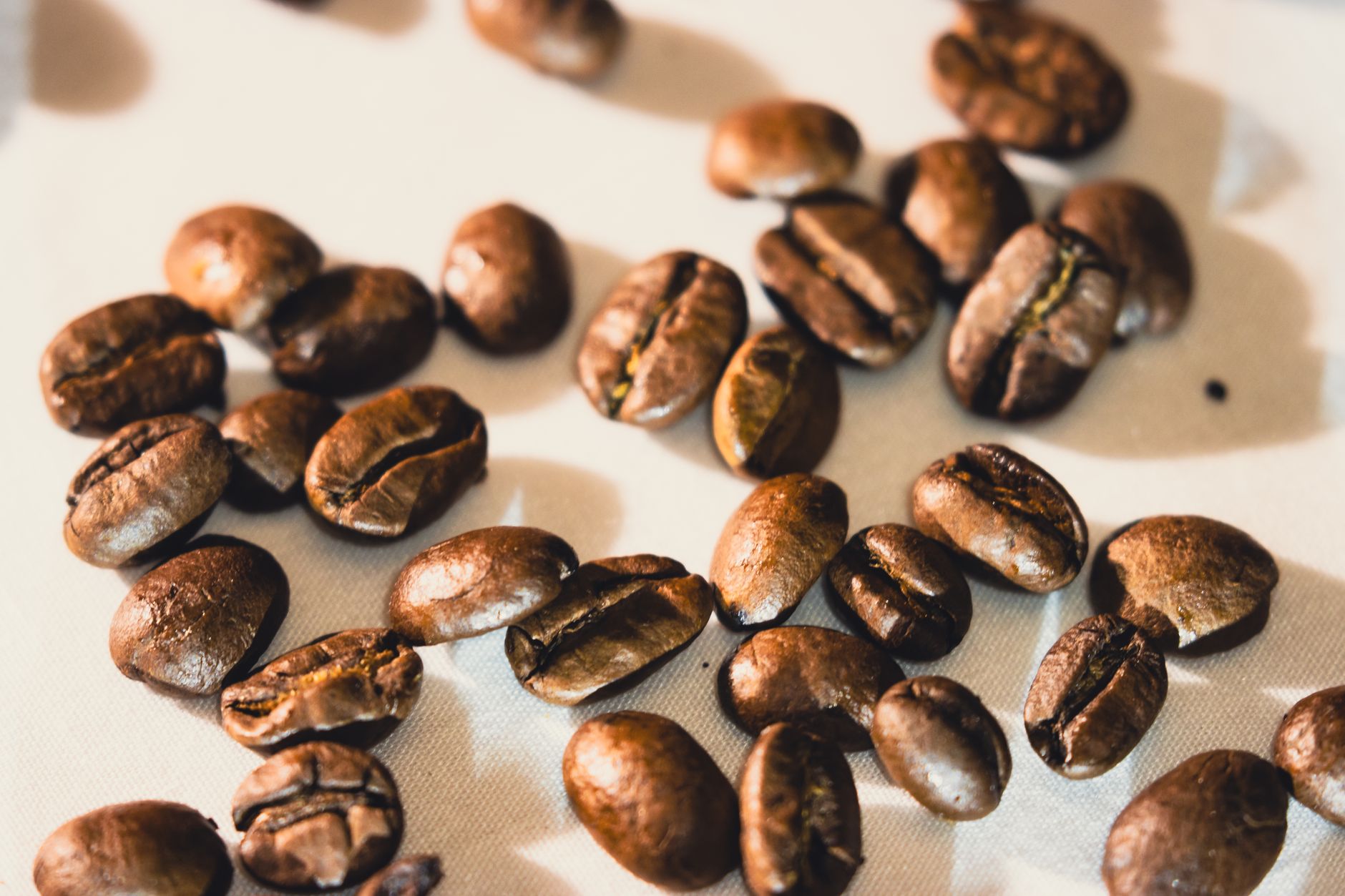
Espresso beans are often associated with rich, bold shots of coffee, primarily enjoyed in cafés around the world. But can these beans serve a purpose beyond espresso in your regular coffee routine? Understanding the nuances of espresso beans, their flavors, and how they can be used in regular coffee can transform your morning brew.
This article will explore the differences between espresso and regular coffee, how to use espresso beans for regular coffee, practical brewing techniques, and tips for creating the perfect cup.
Can You Use Espresso Beans For Regular Coffee?
Yes, you can use espresso beans for regular coffee. Espresso beans are simply coffee beans that are roasted specifically for espresso. They can yield excellent flavors when brewed as filter coffee or French press, but adjustments in grind size and brewing method may be necessary to achieve the best results.
Understanding Espresso Beans
Espresso beans are generally a blend of Arabica and Robusta beans, meticulously roasted to develop a rich, concentrated flavor profile suitable for brewing espresso. The roasting process intensifies the coffee’s oils, producing a more robust, aromatic beverage. Understanding these factors can help you appreciate how they may differ when brewed as regular coffee.
Differences Between Espresso and Regular Coffee
- Roast Level: Espresso beans are typically roasted longer and darker to develop a bolder flavor and produce a crema, the creamy layer on top of an espresso shot. Regular coffee beans can be roasted to various levels, depending on the desired flavor profile.
- Grind Size: Espresso requires a fine grind to create a concentrated coffee experience under high pressure. Regular coffee, depending on the brewing method, usually necessitates coarser grinds.
- Brewing Method: Espresso is brewed through a specific process that uses pressure, whereas regular coffee can be brewed using drip, pour-over, French press, or other methods.
- Flavor Profile: Espresso has a rich, intense flavor with a thicker body, while regular coffee tends to be a bit lighter and more versatile in flavor, depending on the type of beans used.
Using Espresso Beans for Regular Coffee
When you decide to brew coffee using espresso beans, there are a few steps and adjustments to make to optimize your brewing experience. Here’s how you can effectively use espresso beans for regular coffee.
1. Grind Size Adjustments
The first major difference you need to address is the grind size. Espresso beans are usually ground very fine to suit espresso machines. When using espresso beans in other brewing methods, you’ll want to adjust the grind size to suit the method you choose. Here’s a quick guide:
- Drip Coffee: Use a medium grind, similar to granulated sugar.
- French Press: Coarse grind, similar to sea salt.
- Pour-Over: Medium-fine grind, finer than drip but coarser than espresso.
2. Brewing Methods
Different brewing methods allow for varying extraction levels, which impact the strength and flavor profile of your coffee. Some popular methods include:
Drip Coffee Maker
- Measure two tablespoons of ground espresso beans for every six ounces of water.
- Place the ground beans in the filter basket of your coffee maker.
- Add fresh, filtered water to the reservoir.
- Brew the coffee and enjoy.
French Press
- Use a coarse grind and measure it at a ratio of 1:15 (1 gram of coffee per 15 grams of water).
- Add the ground espresso beans to the French press.
- Pour hot water over the grounds, ensuring all are saturated.
- Stir gently, place the lid on, and let steep for 4 minutes.
- Press down the plunger and pour your coffee.
Pour-Over
- Grind the espresso beans to a medium-fine consistency.
- Use a coffee-to-water ratio of 1:16.
- Add the ground coffee to a pour-over filter in your dripper.
- Slowly pour hot water over the grounds in a circular motion to saturate.
- Allow the coffee to drip completely before serving.
Flavor Profiles and Adjustments
When using espresso beans for regular coffee, you may notice different flavors that arise compared to using regular coffee beans. Here are some flavor profiles and what to expect:
- Bitterness: Because espresso beans are roasted longer, they can impart a noticeable bitterness. Counterbalance this by adjusting the brew time or using slightly less coffee.
- Acidity: Espresso generally has lower acidity levels. If you’re used to the bright acidity of regular coffee, you might want to blend your espresso beans with lighter roasts.
- Body: Expect a thicker texture compared to lighter coffee options, which may be rich and satisfying.
Common Mistakes and Troubleshooting
While brewing coffee with espresso beans can be rewarding, there are some common pitfalls to avoid. Here are a few mistakes and their solutions:
1. Using the Wrong Grind Size
If your coffee tastes overly bitter or weak, you may be using the wrong grind size. Adjust the grind size accordingly; go finer for espresso-like beverages and coarser for regular coffee.
2. Incorrect Coffee-to-Water Ratio
The coffee-to-water ratio significantly impacts flavor. If your brew is too strong, reduce the amount of coffee, and if it’s too weak, increase it. Start with a ratio of 1:15 for regular methods.
3. Over-Brewing
Over-brewing your coffee can lead to bitterness. Keep to the recommended steep times for different methods, particularly with French press and pour-over techniques.
4. Temperature Control
If your water is too hot, you might extract unpleasant bitter flavors. Aim for a brewing temperature between 195°F and 205°F (90°C to 96°C) for optimal results.
Exploring Substitutions and Variations
If you find that using espresso beans in your regular coffee isn’t delivering the desired experience, there are several ways to adapt your brewing process:
- Mixing Beans: Combine espresso beans with regular coffee beans to blend flavors; this can balance intensity and acidity.
- Experimenting with Roasts: Try using different roast levels of espresso beans. Light roasts can offer fruity notes, while dark roasts provide a more robust profile.
- Flavor Additions: Enhance your brew with flavored syrups, spices (such as cinnamon), or milk for a creamier texture.
Storage and Freshness
Keeping your espresso beans fresh is key to enjoying the best flavor. Here’s how to store them properly:
- Airtight Container: Use an airtight container to keep out moisture and air.
- Cool, Dark Place: Store your beans in a cool, dark area away from direct sunlight and heat sources.
- Avoid Refrigeration: While it may seem like a good idea, refrigeration can introduce moisture that affects flavor.
Serving Suggestions
How you serve your coffee can be just as important as how you brew it. Here are some ideas:
- Pair with Breakfast Foods: Enjoy your regular coffee with buttery croissants, pancakes, or a hearty breakfast sandwich to complement the coffee’s richness.
- Iced Coffee: Brew your espresso beans as regular coffee and refrigerate. Serve it cold with ice and a splash of milk or cream for an iced coffee treat.
- Coffee Cocktails: Try blending your regular coffee with coffee liqueurs or spirits for a unique cocktail experience.
Conclusion
Using espresso beans for regular coffee can provide an exciting change to your daily caffeine routine. With some adjustments in grind size and brewing techniques, you can unlock a myriad of flavors from espresso beans that enhance your coffee experience. Remember to experiment, take notes, and enjoy the process of brewing coffee tailored to your preferences.
Explore delicious variations or discover more coffee tricks by trying our Brown Shaken Espresso or our unique Proffee Recipe.