
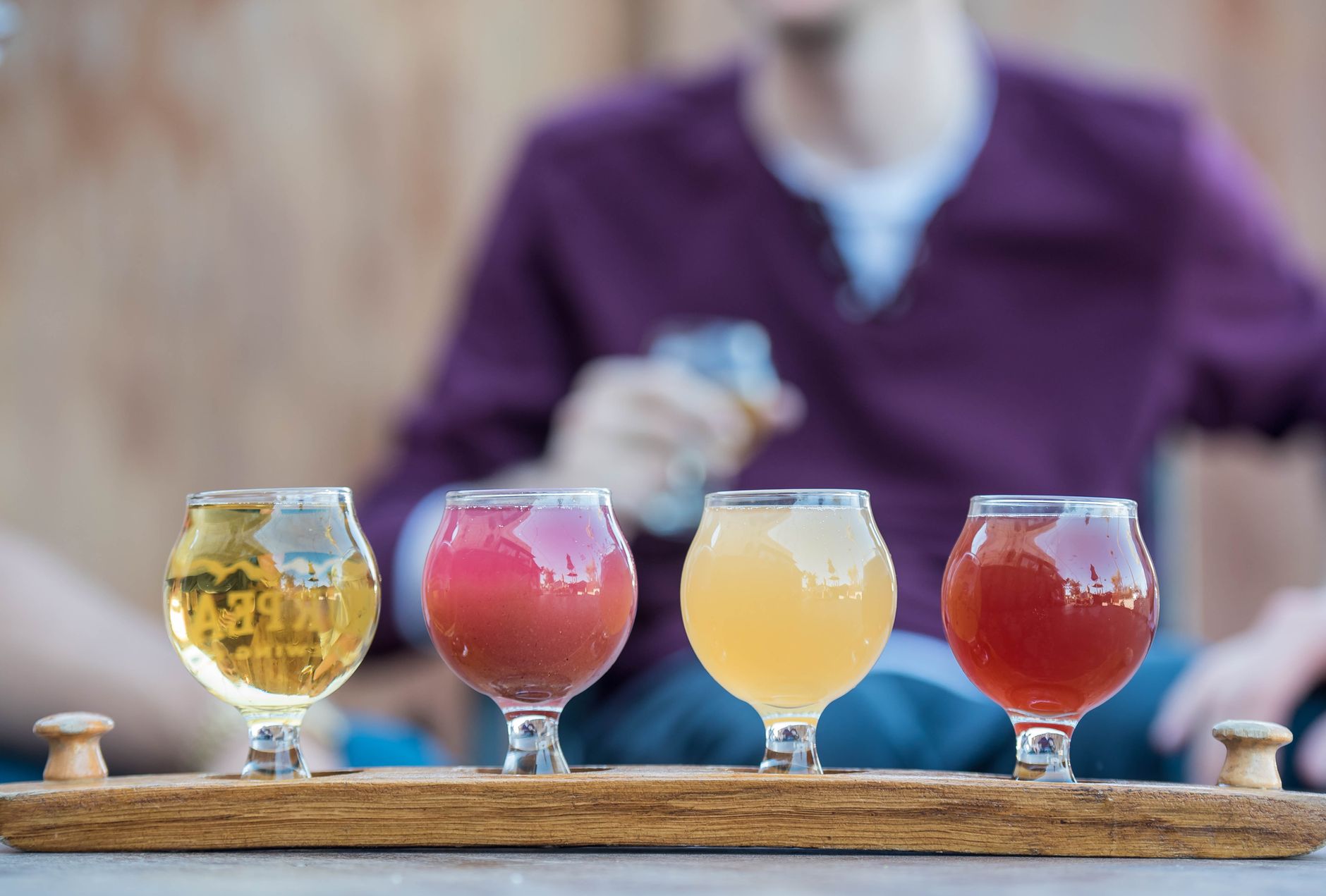
A flight of wine is a curated selection of several wines served together for tasting. This concept allows wine enthusiasts to explore different varietals, regions, or styles in one sitting, enhancing their understanding and appreciation of wine. Flights often showcase complementary flavors and aromas, making it an ideal choice for gatherings, tastings, or a night out at a wine bar or restaurant.
Understanding what a flight of wine entails can significantly elevate your wine tasting experience. This guide will explore the different types of wine flights, tips for creating your own, the advantages of tasting in flight format, and much more.
What Is A Flight Of Wine?
A flight of wine typically consists of three to five different wines, presented together to allow for comparison and contrast. These wines can be selected based on various criteria, including grape variety, growing region, winemaking process, or specific themes. This format not only makes wine tasting more interactive but also provides an educational component, helping taster to discern the differences among the wines.
Types of Wine Flights
Wine flights can vary greatly based on purpose and selection. Understanding these categories can help you make informed choices at a restaurant, or create your own flight at home.
Themed Wine Flights
Themed flights are curated selections based on a specific characteristic. For example:
- Varietal Flight: Features wines made from the same grape variety, such as a flight of different Cabernet Sauvignons.
- Regional Flight: A spotlight on wines from a specific region, such as Napa Valley or Bordeaux.
- Vintage Flight: Showcases wines from the same vineyard but from different years, illustrating how age affects flavor.
Vertical vs. Horizontal Wine Flights
These terms relate to how the wines are selected:
- Vertical Flight: Comprises different vintages of the same wine from the same producer, allowing tasters to observe changes over time.
- Horizontal Flight: Features wines from various producers or regions of the same vintage or grape type, facilitating comparisons between winemaking styles.
Personalized Wine Flights
Restaurants or wine bars may offer customized flights, where you can select wines based on your preferences. This option allows you to tailor the tasting experience to your palate, perhaps featuring wines you’ve never tried before.
Advantages of Wine Flights
Tasting wines in a flight format offers numerous benefits:
Enhanced Learning Experience
When you taste different wines side by side, you become more aware of the nuances in flavor, aroma, and texture. This direct comparison can enhance your knowledge and appreciation of the wines.
Social Interaction
Wine flights encourage social gatherings, sparking discussions among friends or family about individual preferences, tasting notes, and wine styles. It creates an enjoyable and communal atmosphere as you share experiences and insights.
Cost-Effective Exploration
Ordering a flight at a restaurant or bar can be a more economical way to sample high-quality wines. Instead of committing to a full glass or bottle of a single wine, you can explore several options without breaking the bank.
How to Create Your Own Wine Flight
If you’re interested in curating your own flight of wine at home or for a special event, consider the following steps:
1. Choose a Theme
Decide on a theme for your flight. Options might include:
- Same grape variety
- Same region
- Different styles (e.g., reds vs. whites)
- Wines for food pairings
2. Select the Wines
Once you have your theme, choose three to five wines that fit the criteria. Aim for a range of prices and flavor profiles to illustrate the differences within your theme.
3. Get Proper Glassware
Using appropriate wine glasses is crucial for enhancing the tasting experience. Ensure you have a suitable glass for white wines, red wines, and sparkling options if applicable. Ideally, you should serve the wines in glasses tailored to their type to maximize aeration and aroma.
4. Set Up a Tasting Station
Prepare a tasting area with your selected wines and glasses. Label each glass with the wine name or number to help guests identify each wine during the tasting. Consider providing palate cleansers (such as plain bread or water) to refresh between tastings.
5. Provide Tasting Notes
Prepare notes for each wine, including information such as grape variety, region, tasting notes, and food pairings. Guests can use these notes to discuss their impressions and preferences.
Tips for Enjoying Wine Flights
Here are some practical tips to make the most out of your wine tasting experience:
Take Your Time
Allow yourself to savor each wine. Take a moment to observe its color, swirl it gently, and inhale its aromas before taking a sip. This will deepen your appreciation of each wine’s characteristics.
Keep a Journal
Consider keeping a wine journal to record your impressions of each wine. Note what you liked or disliked and any food pairings that enhanced the flavors. This can help you remember future selections.
Pair with Food
Enhance your wine tasting experience by pairing the wines with suitable food options. Certain cheeses, meats, or snacks can complement the flavors of your selected wines, making the tasting more enjoyable.
Engage in Discussion
If you’re with others, engage in conversations about the wines. Share what you’re tasting, and ask others for their opinions. This not only makes the experience more enjoyable but can also provide new insights.
Common Mistakes in Wine Tasting
While enjoying wine flights, be mindful of these common mistakes to ensure a positive experience:
Serving at Incorrect Temperatures
Each type of wine has an ideal temperature for serving. Whites are generally best at cooler temperatures (40-50°F), while reds should be served slightly warmer (55-65°F). Be sure to chill or warm your wines appropriately.
Overwhelming the Palate
Avoid tasting too many wines in one sitting. Stick to a manageable number (typically three to five) to prevent palate fatigue, which can lead to diminished flavor perception.
Ignoring Individual Preferences
Be mindful that everyone has different tastes. While you might enjoy a bold Cabernet Sauvignon, others might prefer a lighter Pinot Noir. Respect everyone’s preferences during the tasting.
Wine Storage and Preservation
If you have leftover wine from your flight, proper storage is essential to maintain its quality:
Storage Options
- Seal the bottle tightly with the cork or a wine stopper.
- Store opened wine upright in a cool, dark place away from direct sunlight.
- Avoid temperature fluctuations that can spoil the wine.
Using Wine Preservation Tools
Consider investing in wine preservation systems, such as vacuum pumps or nitrogen wine preservation wines, to extend the life of your opened bottles without compromising flavor.
Conclusion
Understanding what a flight of wine is and how to appreciate it can significantly enhance your wine tasting experience. Whether you choose to explore various varietals, regions, or styles, flights provide a delightful way to broaden your palate and engage with friends over the appreciation of fine wines. Creating your own wine flights at home can also be a fun way to explore and learn.
Explore related topics like pairing food with wine or understanding different wine varieties to further enrich your culinary experiences.