
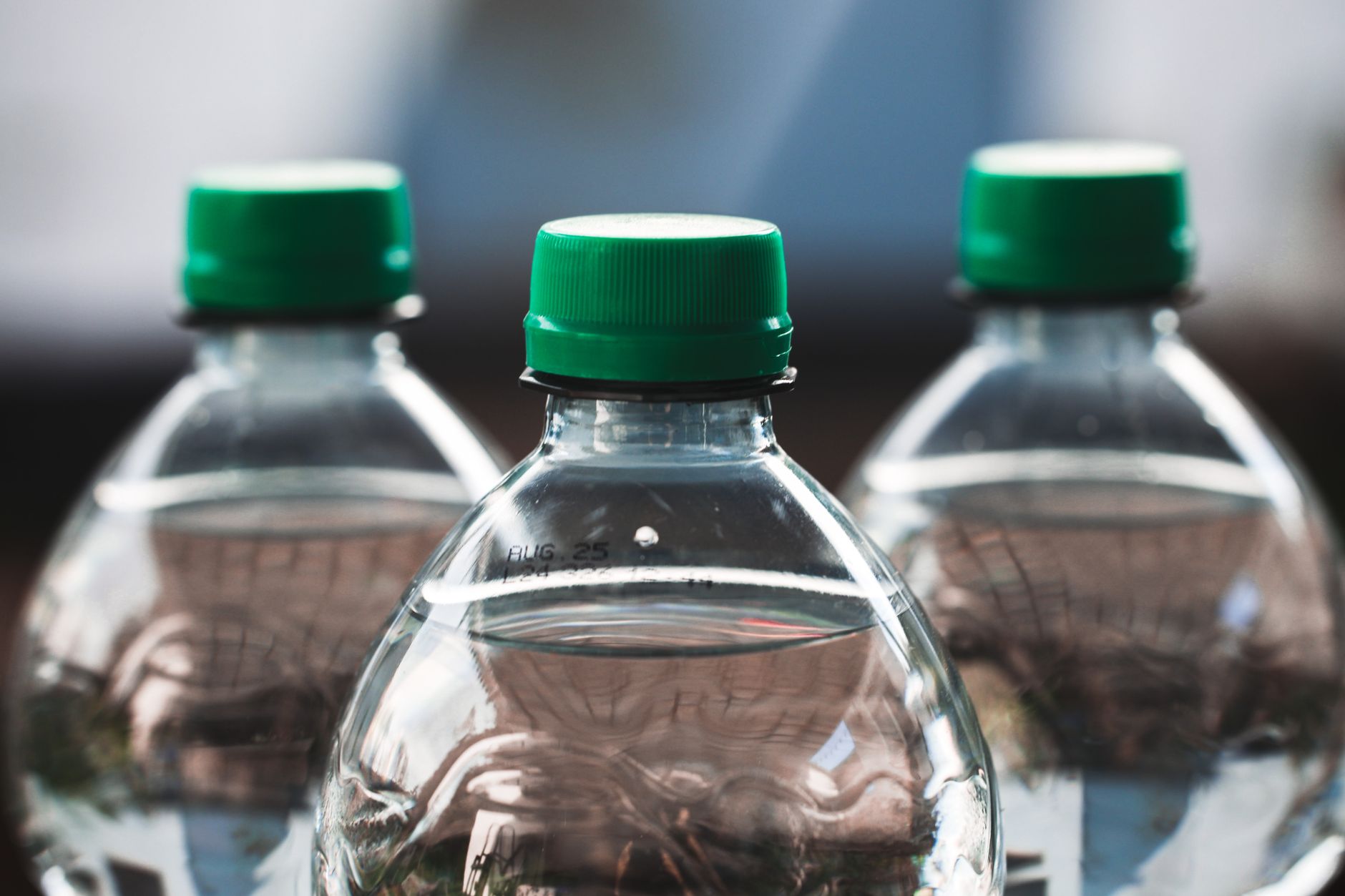
Staying hydrated is essential for health, and choosing the right bottled water can significantly impact your wellbeing. But with so many options available on the market, it’s crucial to understand what constitutes the safest bottled water.
Not only do we need to consider the source, but we must also factor in the packaging and any potential contaminants. This guide will provide an in-depth look at bottled water safety, various types of bottled water, and tips for choosing the best option for your needs.
What Is The Safest Bottled Water?
The safest bottled water typically comes from a reliable source, is bottled using food-grade packaging, and undergoes rigorous testing for contaminants. Look for brands that prioritize transparency in their sourcing and bottling processes.
Types of Bottled Water
Bottled water varies widely, and understanding the differences can help you select the safest option.
1. Spring Water
Spring water is collected from springs or natural sources and must be bottled at the source. It typically contains natural minerals, which can enhance the taste. However, ensure the source is a reputable and tested location.
2. Purified Water
This type has undergone processes like distillation or reverse osmosis to remove impurities and contaminants. While it generally lacks minerals found in spring water, it is often deemed one of the safest options due to the rigorous purification processes.
3. Mineral Water
Mineral water contains naturally-occurring minerals and is sourced from mineral springs. It doesn’t require further purification but can include higher levels of sodium or other minerals. Depending on your dietary restrictions, these levels are something to consider.
4. Artesian Water
Artesian water comes from a well that taps into a confined aquifer under pressure. This water is often naturally filtered and can be very clean, but its safety largely depends on the aquifer’s source.
5. Well Water
Well water is sourced from a private water well and can be safe if properly tested and treated. However, this type of bottled water may not always meet the same health standards as commercially produced bottled water.
Understanding Water Quality and Safety
Water quality is crucial in determining the safety of bottled water. Various factors come into play, including microbial contamination, chemical pollutants, and the materials used in packaging.
Microbial Contamination
Microbial contaminants include bacteria, viruses, and parasites. Bottled water should be subject to rigorous microbial testing to ensure safety. Look for brands that indicate they follow U.S. Food and Drug Administration (FDA) guidelines.
Chemical Pollutants
Chemical pollutants can arise from various sources, including agricultural runoff, industrial discharge, and packaging materials. Recent studies show traces of microplastics in many bottled waters, which could pose health risks.
Packaging Safety
Not all plastic bottles are created equal. Bottles made from polyethylene terephthalate (PET) are generally considered safe. However, using them repeatedly or exposing them to heat can lead to leaching of harmful substances.
How to Choose the Safest Bottled Water
When selecting bottled water, consider the following:
1. Check the Source
Research the source of the water. Brands that disclose their source demonstrate transparency and accountability. Look for water from protected springs or aquifers.
2. Look for Certifications
Choose brands that have certifications from third-party organizations that test for safety and quality. This can include certifications from the NSF International or the International Bottled Water Association (IBWA).
3. Read Labels Carefully
Understand the labels. “Natural spring water” and “filtered water” can mean different things. Check for specifics about the purification processes and any mineral content.
4. Consider Environmental Impact
Beyond health, consider environmental factors. Some brands focus on sustainable practices, including eco-friendly packaging. By choosing environmentally-conscious brands, you help support sustainability.
5. Check for Recent Testing Data
Some companies release annual water quality reports. These reports can provide valuable information on levels of contaminants and testing outcomes, helping you make an informed choice.
Top Brands for Safe Bottled Water
While personal preferences play a role in bottled water selection, some brands consistently prioritize safety and environmental responsibility:
- Essentia – Known for its purification process and alkaline pH level.
- Perrier – Offers carbonation with natural mineral content; sourced from France.
- Smartwater – Vapor-distilled and enhanced with electrolytes; clear labeling on sourcing and bottling.
- Evian – Grown in the French Alps, this water is rich in minerals.
- Poland Spring – Sourced from multiple springs in Maine; promotes transparency in sourcing.
Potential Risks of Bottled Water
While bottled water can be convenient, some risks are associated with its consumption. Understanding these risks can help guide your decisions.
1. Environmental Concerns
The production and disposal of plastic bottles contribute to environmental pollution. Consider using reusable water bottles when practical and favor brands with eco-friendly practices.
2. Water Quality Concerns
Not all bottled waters maintain the same safety standards. In some cases, pathogens or chemical contaminants may still exist. Always look for brands that perform reliable testing.
3. Regulatory Variability
Bottled water regulation varies across regions. What may be acceptable in one country may not hold true elsewhere. Understanding regulations can inform your choices, especially when traveling.
Alternatives to Bottled Water
If you are concerned about bottled water quality or environmental impact, here are alternatives:
1. Filtered Tap Water
Using a water filter can significantly enhance tap water’s quality. Filters for removing chlorine, lead, and other contaminants are widely available.
2. Homemade Infused Water
Add fruits or herbs to filtered water for a refreshing and healthy drink. This allows you to create a variety of flavors without needing bottled options.
3. Water Purification Systems
Installing a home purification system, like reverse osmosis or distillation, can ensure access to safe drinking water right from your faucet.
4. Reusable Water Bottles
Using a reusable bottle eliminates the need for single-use plastics. They can keep drinks hot or cold for longer and are often more economical in the long run.
Practical Tips for Staying Hydrated
Making sure you’re hydrated is vital for health. Here are some practical hydration tips:
- Set daily water goals, such as drinking a certain number of bottles or cups.
- Carry a water bottle with you to encourage regular sipping throughout the day.
- Incorporate water-rich foods into your diet, like cucumbers, watermelon, and oranges.
- Flavor your water with herbs, citrus, or berries to make it more appealing.
- Establish a routine to drink a glass of water before each meal to promote hydration.
Final Thoughts on Bottled Water Safety
Choosing the safest bottled water involves understanding the types available and their quality indicators. Be aware of the brand’s sourcing and commitment to safety. If you prefer alternatives, various methods to ensure safe hydration exist that can reduce environmental impact.
Always opt for transparency in labeling and quality testing to ensure you’re making a safe choice. Your health and the environment may depend on the decisions you make regarding bottled water consumption.
For further exploration into healthy hydration methods, consider checking out related recipes, cooking tips, or food guides to help maintain a balanced lifestyle.