
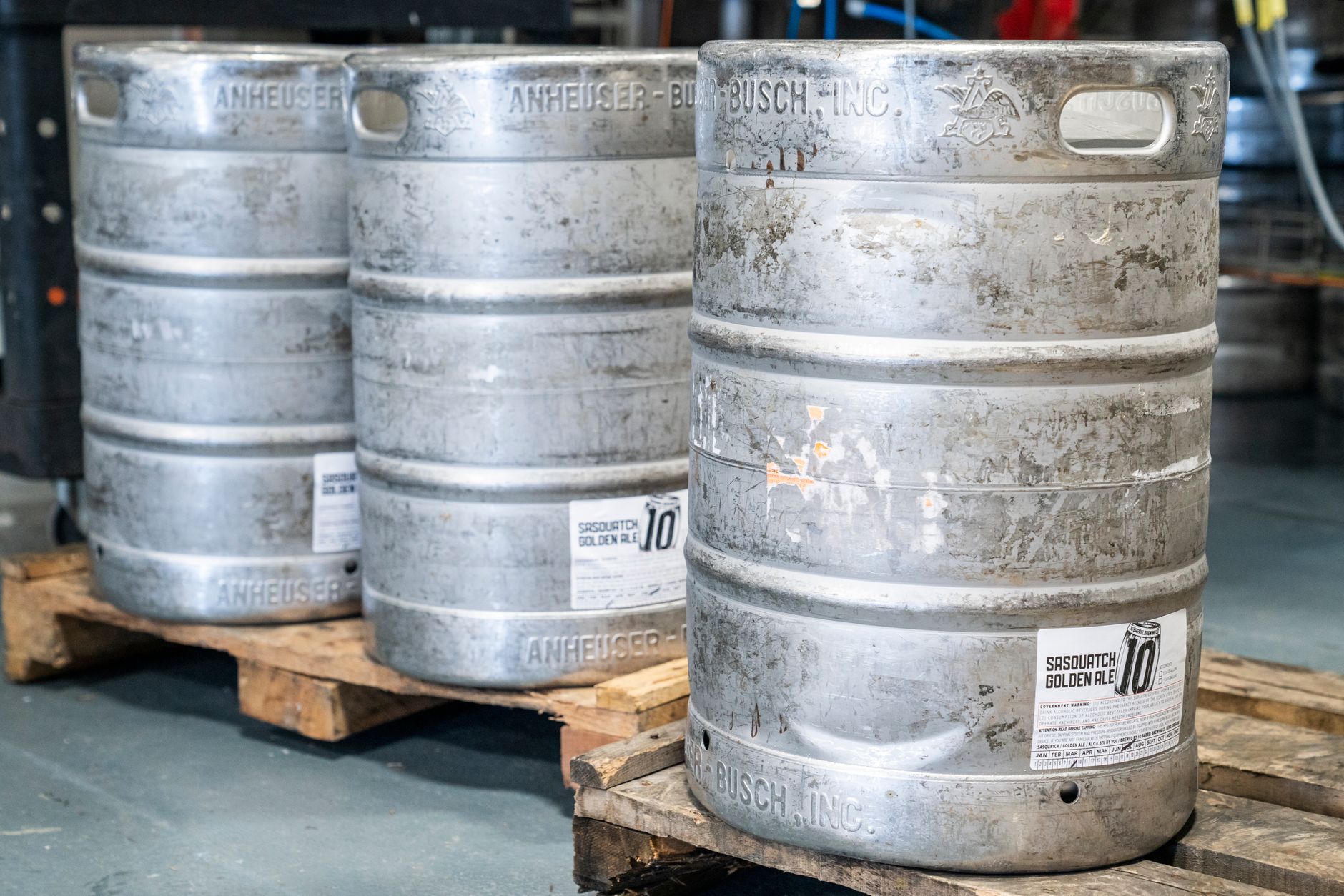
Beer is a popular beverage choice for gatherings, parties, and celebrations. When planning an event, a keg of beer can be a convenient and cost-effective option for serving drinks to a crowd. However, many are curious about the cost associated with renting or purchasing a keg. This article will provide a comprehensive overview of keg pricing, factors influencing costs, and important considerations for hosting an event.
Whether you are organizing a casual backyard barbecue, a lively birthday party, or a more formal gathering, understanding how much a keg of beer costs is essential for effective budgeting. From the type of beer to the keg size, multiple factors will influence your total expenditure.
How Much For A Keg Of Beer?
The cost of a keg of beer can vary widely depending on several factors, including the type of beer, the size of the keg, and the location of purchase. On average, a standard keg can range from $75 to $200. Craft beers and premium brands tend to be on the higher end of the price spectrum.
Types of Kegs and Their Costs
Beer kegs come in various sizes and styles, each with its own price range. Here are the most common keg sizes and what you might expect to pay for them:
- Full Keg (Half Barrel) – Holds 15.5 gallons, equivalent to approximately 165 12-ounce servings. Prices can range from $150 to $250, depending on the brand and type of beer.
- Quarter Keg (Pony Keg) – Holds 7.75 gallons, or about 82 12-ounce servings. Expect to pay between $90 and $150.
- Pint Keg (Sixth Barrel) – Holds 5.16 gallons, providing around 55 12-ounce servings. These kegs usually cost between $70 and $100.
Factors Influencing Keg Prices
The price of a keg is influenced by various factors, including:
1. Type of Beer
The type of beer significantly affects the price of a keg. Domestic lagers and inexpensive brands are typically more affordable than craft beers, imported beers, or specialty brews.
2. Location
Your geographical location can also impact pricing. Larger cities may have higher prices due to increased demand and overhead costs, whereas smaller towns might offer more competitive keg prices.
3. Distribution Venue
Where you purchase the keg can make a difference. Local breweries, liquor stores, and online retailers may have varying prices and promotions. It is often beneficial to compare prices across suppliers.
4. Seasonal Factors
During certain seasons, such as summer holidays or Super Bowl events, keg prices may increase due to higher demand. It may be advisable to purchase kegs outside of peak seasons for better deals.
Additional Costs to Consider
When budgeting for a keg of beer, it’s essential to account for any additional costs that may arise:
- Deposit Fees: Some retailers require a refundable deposit for keg rental. This fee can range from $30 to $100, depending on the rental policy.
- Taps and Equipment: If you don’t already have a keg tap, you may need to rent or purchase one. Renting a keg tap can cost around $20 to $40.
- Transportation Costs: If you’re picking up the keg yourself, ensure to factor in any transportation costs. This includes fuel or potential vehicle rental costs if your car isn’t large enough.
- Ice: Keeping the keg cold is essential for optimal taste. Depending on your needs, having ice on hand can add to the overall budget.
How to Choose the Right Keg for Your Event
Choosing the right keg for your gathering requires careful consideration of various factors:
1. Guest Count
Estimate the number of guests attending your event. Generally, one keg covers around 150 12-ounce servings, but adjust based on your guests’ drinking habits.
2. Beer Style Preference
Consider what styles of beer your guests enjoy. A variety of kegs, including ales, lagers, or IPAs, might be needed for broader appeal. Hosting a beer tasting could also be an interesting theme for your event.
3. Event Duration
For longer events, having more than one keg can help maintain the flow of drinks. A good rule of thumb is to estimate about three to four beers per person per hour.
4. Storage Space
Ensure you have sufficient space to store the keg and keep it cold. A keg needs to be chilled before serving, so consider where you’ll keep it prior to the event.
Serving and Tapping a Keg
Once you have secured the right keg, proper serving technique is crucial. Here are some tips for tapping a keg:
1. Chilling the Keg
Before serving, chill the keg for at least 24 hours in advance. Ideally, the beer should be served at around 38-45°F for optimal taste.
2. Setting Up the Keg Tap
Once the keg is chilled, it’s time to set up the tap. Follow these steps:
- Remove the dust cover from the keg valve.
- Align the tap handle with the valve.
- Push the handle down while twisting it clockwise to secure it firmly.
- Once secured, pull the handle out to activate the flow of beer.
3. Serving Beer
When pouring beer, ensure that the glass is at a 45-degree angle. As the glass fills, gradually straighten it to create a proper head of foam—about 1 inch thick—to enhance flavor and aroma.
Storing and Transporting Kegs
Understanding how to store and transport kegs ensures that the beer remains fresh and delicious:
1. Transporting Kegs
Use a stable vehicle to prevent any rolling or movement during transportation. Always keep the keg upright to avoid foam and spillage.
2. Storing Kegs
Store kegs in a cool, shaded area, away from direct sunlight. If outdoors, an ice bath or insulated container can help maintain the right temperature.
3. Shelf Life
A keg of beer can last anywhere from 30 to 90 days once tapped, depending on the type of beer and storage conditions. Always refer to specific beer guidelines for storage recommendations.
Common Mistakes to Avoid When Buying Kegs
Here are some typical pitfalls to sidestep:
- Neglecting Guest Preferences: Failing to consider your guests’ beer preferences could result in leftover beer. Survey people ahead of time for appropriate options.
- Overbuying: While it’s important to have enough beer, overbuying can lead to waste. Be mindful of your crowd’s drinking habits.
- Not Checking for Freshness: Always check the date on the keg to ensure you are purchasing fresh beer. Kegs with a longer shelf life often taste better.
Where to Buy a Keg of Beer
Finding the right location to purchase or rent a keg can involve various options:
1. Local Breweries
Visiting a local brewery is an excellent option, as many offer keg sales, and you might find unique craft beers.
2. Liquor Stores
Many liquor stores, especially larger chains, stock a variety of kegs, often with promotional deals.
3. Online Retailers
Some websites allow for keg rental and delivery, providing convenience and a wider selection of options.
Planning Your Event with Kegs
When incorporating kegs into your event, consider the following planning suggestions:
1. Create a Drinking Schedule
Encourage responsible drinking by creating a schedule that incorporates breaks. Providing food and non-alcoholic beverages can also help.
2. Prepare for Clean-Up
Plan for recycling or returning kegs and cleaning up the party area, ensuring cans and bottles are disposed of properly.
3. Encourage Safe Transportation
Encourage guests to arrange transportation home if they are drinking and ensure everyone is aware of responsible drinking practices.
Conclusion
Understanding the costs associated with kegs of beer is vital for hosting a successful event. Factors such as keg size, beer type, and location all contribute to overall pricing. Through careful planning and consideration, choosing the right keg can enhance the experience for both hosts and guests alike.
If you’re looking for related information, check out our guides on preparing a large batch rum punch or try making this saison recipe for a unique twist on beverages for your next gathering.