
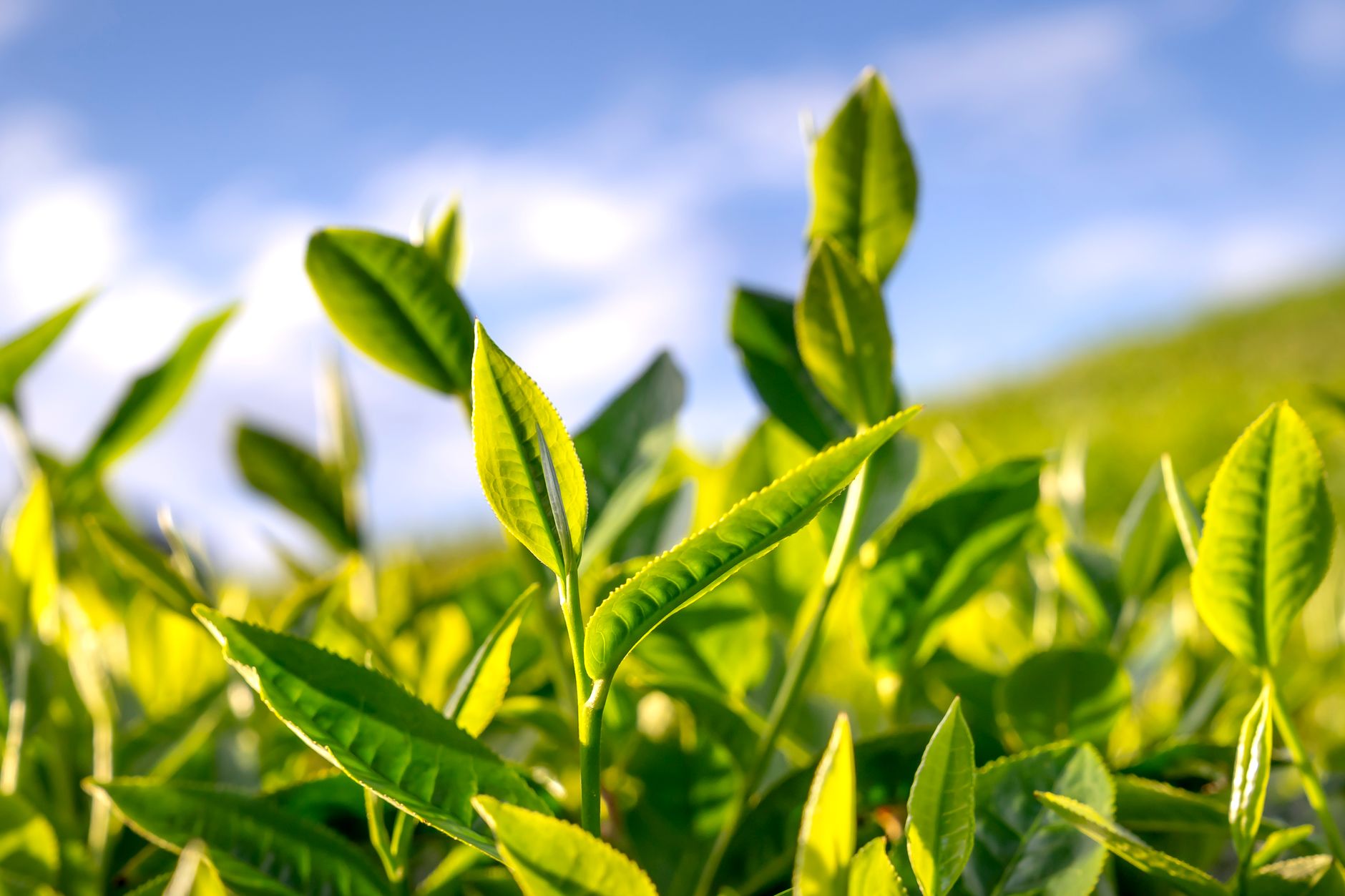
Green tea is often celebrated for its myriad health benefits, one of which is its content of L-theanine. This amino acid is known for promoting relaxation and enhancing focus. However, understanding how much L-theanine is actually present in green tea can be useful for those looking to harness its benefits.
In this guide, we will explore the amount of L-theanine in green tea, how it varies with different types of tea, brewing techniques, and tips for maximizing its benefits. By the end, you’ll have a thorough understanding of L-theanine and how to make the most of your green tea consumption.
How Much L-Theanine Is in Green Tea?
The amount of L-theanine in green tea varies significantly based on several factors, including the type of tea leaves used, growing conditions, and how the tea is processed. On average, green tea contains about 6 to 12 milligrams of L-theanine per 200 milliliters (approximately 7 ounces) of brewed tea.
However, some strains of green tea, especially higher-grade varieties such as gyokuro or matcha, can contain much higher concentrations, ranging from 20 to 40 milligrams or more per serving. The differences arise due to the conditions under which the tea is grown and the preparation methods used.
Factors Affecting L-Theanine Levels in Green Tea
1. Type of Green Tea
Different types of green tea have varying levels of L-theanine. Here are some common varieties:
- Sencha: Generally contains 8-15 mg of L-theanine per cup.
- Gyokuro: A shade-grown variety known for its rich flavor; can contain up to 30 mg.
- Matcha: As a powdered form of green tea, matcha boasts the highest levels, often exceeding 40 mg per serving.
- Bancha: Typically lower in L-theanine, averaging around 6-10 mg per cup.
2. Growing Conditions
Plants grown in shaded conditions tend to produce more L-theanine. This is because shade impairs photosynthesis, leading the plant to accumulate more amino acids, including L-theanine, to compensate.
3. Harvest Timing
The timing of the harvest can impact L-theanine levels as well. Younger leaves, often harvested in early spring, typically have higher concentrations compared to older leaves picked later in the season.
4. Processing Method
How green tea is processed also plays a role. Steaming, which is commonly used in Japanese green teas, helps retain L-theanine. Conversely, pan-firing methods may lead to some loss of this amino acid.
Brewing Techniques to Maximize L-Theanine Extraction
How you brew your green tea can significantly affect the amount of L-theanine you extract from the leaves. Here are some practical tips to enhance your brewing technique.
1. Water Temperature
Using the right temperature is crucial. Green tea is delicate; brewing it with boiling water can lead to bitter flavors and less effective extraction of L-theanine. Aim for water temperatures between 160°F to 180°F (70°C to 80°C).
2. Steeping Time
The ideal steeping time is typically around 2 to 3 minutes. Longer steeping can result in bitterness and astringency, while shorter times may not extract enough of the beneficial compounds.
3. Leaf Quantity
Using more tea leaves can lead to a higher concentration of L-theanine in your cup. A general guideline is to use one teaspoon (about 2 grams) of loose leaf tea for every 200 milliliters of water.
4. Quality of Tea
Opt for high-quality loose leaf teas instead of tea bags, which often contain lower-grade leaves. The preparation and processing of loose leaf tea tend to preserve the L-theanine better than that of tea bags.
Health Benefits of L-Theanine in Green Tea
The presence of L-theanine in green tea is associated with several potential health benefits. While scientific research on L-theanine is still ongoing, some studies suggest the following effects:
- Improved Focus and Concentration: L-theanine can enhance cognitive performance and increase attention levels.
- Reduced Stress: This amino acid may promote relaxation without drowsiness, helping to manage stress and anxiety effectively.
- Enhanced Sleep Quality: Some people report improved sleep patterns after consuming L-theanine, as it may help reduce sleep disturbances.
- Antioxidant Properties: Green tea is rich in antioxidants, which can help protect your body from free radicals.
Common Questions about L-Theanine and Green Tea
Is L-theanine safe for everyone?
For most people, L-theanine is considered safe. However, individuals on medication or with specific health conditions should consult a healthcare provider before significantly increasing their intake of L-theanine through tea consumption or supplements.
Can I take L-theanine supplements instead of drinking green tea?
Yes, L-theanine supplements are available if you seek higher doses or prefer not to drink tea. However, it’s important to ensure that supplements are sourced from reputable manufacturers.
How can I incorporate more green tea into my diet?
Besides the traditional cup of tea, green tea can be incorporated into smoothies, baked goods, and even savory dishes. For a unique twist, consider trying recipes like matcha pancakes or a refreshing green tea cocktail.
Delicious Green Tea Recipes to Try
Here are a couple of simple recipes that utilize green tea to enhance flavor and provide the added benefits of L-theanine.
Green Tea Cocktail
This refreshing drink combines the benefits of green tea with the brightness of citrus.
- Ingredients:
- 1 cup brewed green tea (cooled)
- 2 oz gin or vodka
- 1 oz fresh lemon juice
- 1 oz simple syrup
- Fresh mint leaves for garnish
Instructions:
- In a cocktail shaker, combine the green tea, gin or vodka, lemon juice, and simple syrup.
- Add ice and shake vigorously for about 15 seconds.
- Strain into a chilled glass and garnish with mint leaves.
Vanilla Matcha Latte
A comforting drink perfect for mornings or an afternoon pick-me-up.
- Ingredients:
- 1 teaspoon matcha powder
- 1 cup milk of choice (or milk alternative)
- 1 tablespoon vanilla syrup
- Hot water as needed to mix
Instructions:
- In a small bowl, whisk matcha powder with a few tablespoons of hot water until smooth.
- In a saucepan, heat the milk and vanilla syrup until warm but not boiling.
- Pour the matcha mixture into a cup, and add the warm milk. Stir to combine.
Storage Tips for Green Tea
Proper storage of green tea can help maintain its flavor and L-theanine content. Here are some tips to consider:
- Keep it Cool: Store in a cool, dark place away from light and humidity.
- Airtight Containers: Use airtight containers to prevent moisture and air from degrading the quality of the tea.
- Use Within Months: Consume within six months to a year for the best flavor and health benefits.
Conclusion
Understanding the amount of L-theanine in green tea, as well as how to maximize its benefits, can enhance your tea-drinking experience. By selecting higher-quality teas like matcha or gyokuro and employing effective brewing techniques, you can enjoy the calming effects of L-theanine while savoring the unique flavors of green tea. Consider incorporating some delicious recipes, such as a green tea cocktail or vanilla matcha latte, into your routine for added enjoyment.
Explore more recipes and tips by checking out our delicious green tea cocktail recipe and enjoy a refreshing vanilla matcha latte for a delightful twist on your typical tea experience.