
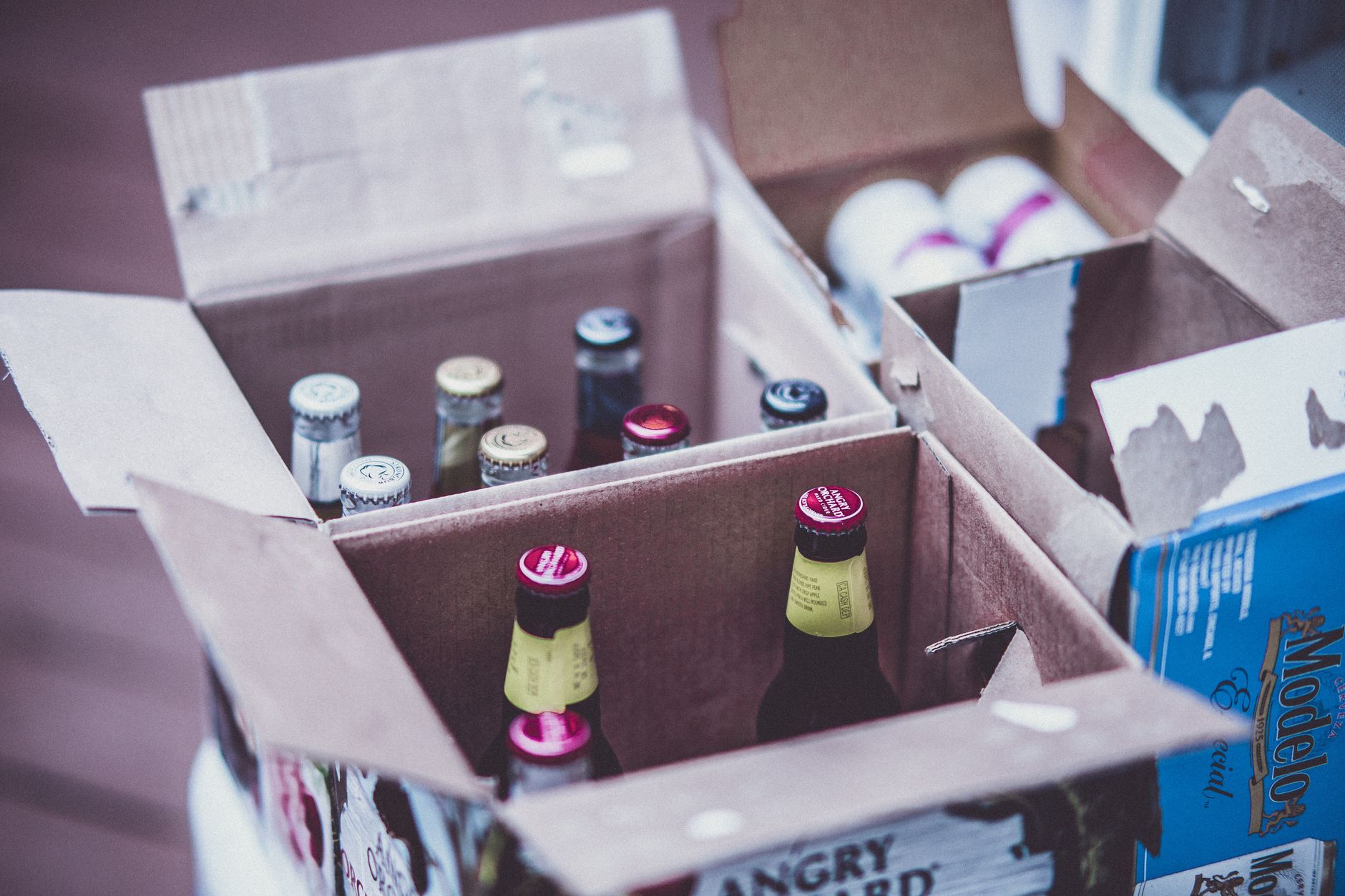
Beer is one of the world’s oldest fermented beverages, enjoyed by many for its diverse flavors and aromas. However, a question arises: Is expired beer bad for you? This article delves into the characteristics of beer after its expiration date, potential effects on health, and offers practical insights into how to use or dispose of expired beer.
Understanding beer’s expiration is important for both casual drinkers and those who enjoy crafting with this versatile ingredient. From health concerns to potential culinary uses, we’ll explore everything you need to know about expired beer.
Is Expired Beer Bad For You?
Consuming expired beer can be a mixed bag. While it is unlikely to be harmful or toxic, it may not taste as intended. Over time, flavors can dull or even turn unpleasant due to oxidation and the breakdown of flavor compounds. However, drinking expired beer is generally safe as long as it has been stored properly and shows no signs of spoilage.
Understanding Beer Expiration Dates
Beer expiration dates can be confusing. Unlike perishable food items, beer can often remain safe to drink for extended periods beyond its labeled date. Here’s how to navigate expiration dates:
- Types of Dates: Some beers have a “best by,” “enjoy by,” or “born on” date. The “best by” date indicates when the brewer believes the beer will taste its best, while “born on” refers to the packaging date.
- Beer Styles: Different beer styles have different shelf lives. Lighter lagers and wheat beers generally have a shorter life compared to darker and higher-alcohol beers, which can last for months or even years.
- Storage Conditions: Beer should be stored in a cool, dark place. Proper storage can extend the drinkability of beer beyond the indicated expiration date.
Health Considerations of Drinking Expired Beer
Drinking expired beer may raise concerns about health. Here are some factors to consider:
1. Quality vs. Safety
While expired beer may taste stale or off, it is generally safe to consume if it hasn’t been improperly stored or contaminated. Look for signs of spoilage, such as an unpleasant odor, off-flavors, or excessive sediment.
2. Alcohol Content
In most cases, the alcohol content in expired beer remains stable, meaning that it won’t turn into a ‘harmful’ substance. However, taste might decline, and the drinking experience is likely compromised.
3. Allergens and Additives
For individuals with allergies to certain components in beer (like gluten or sulfites), expired beer may exacerbate symptoms if the beer is no longer fresh. Always be cautious if you have known sensitivities.
What Happens to Beer After Its Expiration Date?
After the expiration date, beer undergoes several changes:
1. Flavor Changes
Beer can become oxidized, leading to a cardboard or sherry-like flavor. Hops, which provide bitterness and aroma, can fade, making the beer taste flat.
2. Aroma Degradation
Aromas that once contributed to the beer’s character may diminish. This is particularly true for hop-forward styles like IPAs, where fresh hop aroma is key to flavor.
3. Appearance Changes
Overall appearance might not change dramatically, but sediment may deposit at the bottom of the bottle or can after an extended period, especially in unfiltered beers.
Determining Whether Expired Beer is Good to Drink
When faced with expired beer, you can use the following guidelines to help make your decision:
- Smell Test: Take a whiff of the beer. If it smells unusual (not in a good way), it’s best to discard it.
- Appearance Check: Look for excessive sediment or cloudiness. If you notice anything suspicious or unusual, it’s safer not to drink it.
- Taste Assessment: If it passes the smell and appearance tests, take a small sip. If the taste is unpleasant or you feel unsure, better to err on the side of caution.
Cooking with Expired Beer
Expired beer does not need to be wasted; it can be creatively utilized in various recipes. Here are some ideas on how to incorporate expired beer into cooking:
1. Marinades
Expired beer can add depth to meat marinades, helping to tenderize and infuse flavors. Here’s how to use it:
- Mix expired beer with spices, garlic, and herbs.
- Allow meat such as chicken, beef, or pork to marinate for several hours or overnight.
2. Stews and Soups
Adding a splash of expired beer to stews or soups can enhance flavor. Consider the following:
- Use it as a base for chili or beef stew where it can add complexity.
- Add it while sautéing vegetables to boost their flavor.
3. Baking with Beer
Beer can be used in baking to add moisture and flavor to recipes. Consider using it for:
- Pancakes or waffles: Replace some liquid with expired beer for fluffy, flavorful breakfast items.
- Beer bread: Many beer bread recipes thrive on the carbonation and flavor of beer.
4. Salad Dressings
Incorporate a small amount of expired beer into salad dressings for a unique twist. Here’s a simple idea:
- Whisk together expired beer, olive oil, vinegar, mustard, and herbs to create a flavorful dressing.
Common Uses for Expired Beer Beyond Consumption
Besides cooking, expired beer can find a place in various household uses:
1. Hair Rinse
Beer can be used as a hair rinse to enhance shine. Mix flat beer with water, massage into the hair, and then rinse thoroughly.
2. Fertilizer
The vitamins and sugars present in beer can benefit plants. Dilute expired beer with water and use it to water your garden or houseplants.
3. Cleaning Agent
Flat beer can be used as a cleaning agent. Use it to polish furniture, as the sugars can provide a shine.
How to Properly Store Beer
To maximize the shelf life of your beer, consider these storage tips:
- Store beer in a cool, dark place at a consistent temperature.
- Keep bottles upright to minimize oxidation.
- Avoid light exposure which can skunk the beer, particularly in lighter bottles.
When to Discard Expired Beer
There are instances where you should consider discarding beer, such as:
- Off smells or tastes: If the aroma or flavor is strong and unpalatable, it’s best to throw it away.
- Signs of spoilage: Spoilage signs like cloudiness or excessive sediment can indicate bad beer.
- Improper storage: If you suspect that the beer was stored in conditions that may have compromised its safety, even if it’s not expired, discard it.
Conclusion
Expired beer is often safe to drink but may have diminished flavor and aroma. Instead of tossing it out, consider using it in marinades, baking, or even household cleaning solutions. By understanding how beer works and learning to identify good quality beyond expiration, you can make the most out of your brews.
If you’re curious about experimenting in the kitchen, check out these related recipes: Saison Recipe and Blackberry Mead Recipe.