
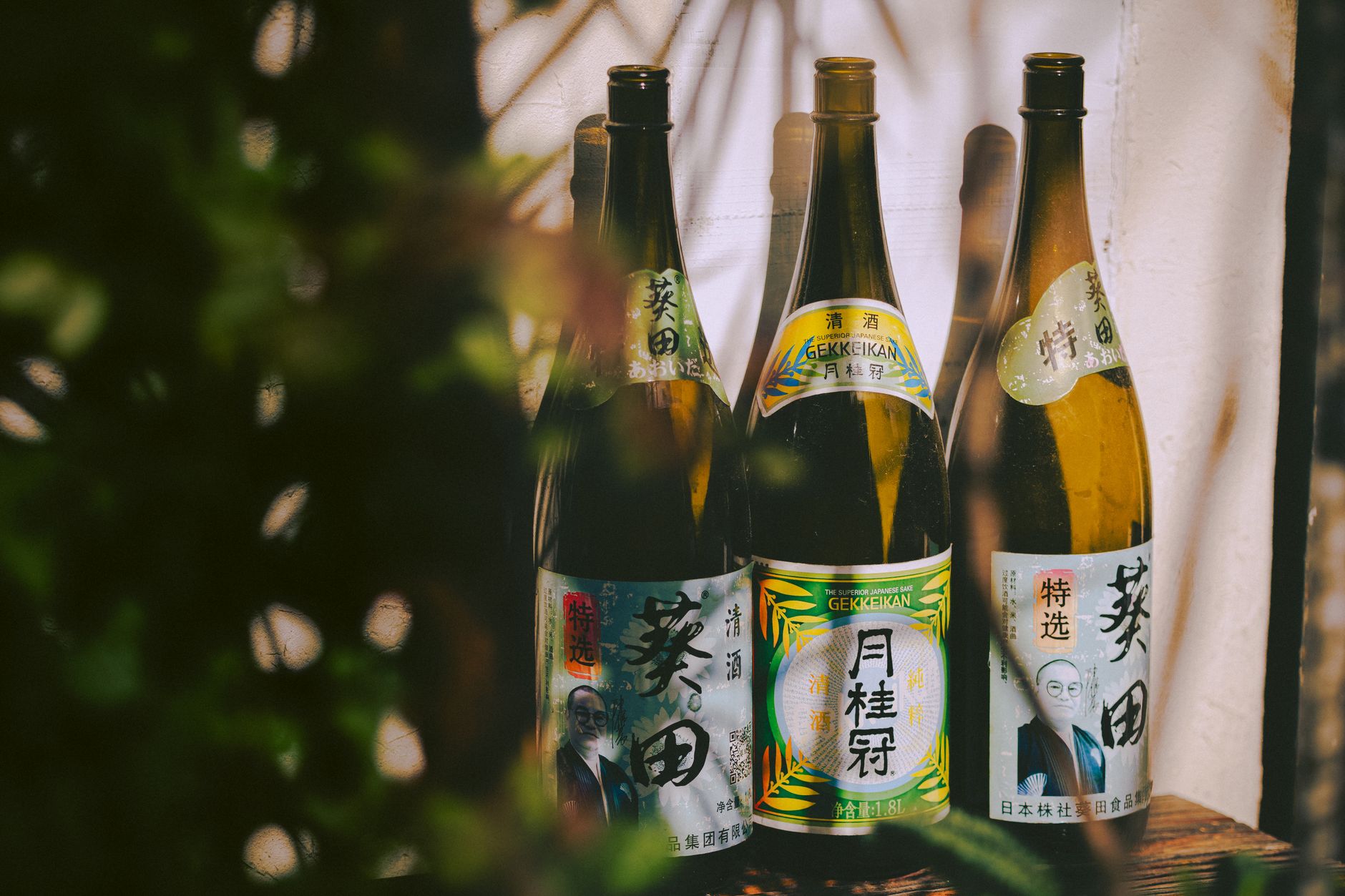
Sake, a quintessential Japanese beverage, is often misunderstood in terms of its alcohol content and culinary uses. This versatile drink has become popular worldwide, but many still question how much alcohol is actually in sake, along with its possible benefits and culinary applications.
In this article, we will explore the alcohol content in sake, its variety of types, its health benefits, and practical uses in cooking. Whether you’re a seasoned sake enthusiast or a novice curious about this intriguing beverage, you’ll find valuable insights here.
How Much Alcohol Is In Sake?
The alcohol content in sake typically ranges from 15% to 20% by volume, although most traditional sakes have about 15% to 16%. This is considerably higher than beer, which usually contains about 4% to 6% alcohol, and lower than most wines, which can range from 12% to 15%.
This higher alcohol content is achieved through a unique fermentation process that involves converting starches from rice into sugars and then fermenting those sugars into alcohol. The precise alcohol content can vary based on the sake’s type and production method.
Types of Sake and Their Alcohol Content
Sake is not just a monochromatic drink; it comes in various styles, each with distinct flavors and alcohol content. Here are some common types:
- Junmai: Pure sake made from only rice, water, and koji mold. Alcohol content is usually around 15% to 16%.
- Honjozo: Junmai with a small amount of distilled alcohol added for aroma. Alcohol content is similar, around 15% to 16%.
- Ginjo: A premium sake with rice polished to at least 60%. Alcohol content typically ranges from 15% to 17%.
- Daiginjo: A super-premium version with rice polished to at least 50%. Alcohol content can be between 15% to 17% or higher depending on specific brewing methods.
- Nigori: Unfiltered sake that appears cloudy. It usually has an alcohol content of 14% to 16%.
- Sparkling Sake: A newer style that has added carbonation. Alcohol content can vary widely from 5% to 12%.
Health Benefits of Sake
Sake is not only enjoyed for its taste; it also offers certain health benefits when consumed in moderation. Here are a few benefits that emerge from enjoying sake:
- Low in Congeners: Compared to other alcoholic beverages, sake tends to be low in congeners, which are compounds that can worsen hangovers.
- Rich in Amino Acids: Sake contains several amino acids that can be beneficial for overall health.
- May Improve Digestion: Some studies suggest that sake can aid in digestion due to its fermentation process, which creates beneficial bacteria.
- Contains Antioxidants: Sake has antioxidants that may help protect cells from damage and support overall wellness.
However, it’s essential to consume sake responsibly and understand that excessive alcohol consumption can have serious health risks.
Culinary Uses of Sake
Sake is more than just a drink; it is also a remarkably versatile ingredient in cooking. Here’s how you can incorporate sake into your culinary practices:
Cooking Techniques
Sake is often used in Japanese cuisine to enhance flavor in various dishes due to its unique flavor profile. Here are some common techniques:
- Marinading: Use sake as a marinade to tenderize meats and fish while adding umami flavors. Mix sake with soy sauce, mirin, and other spices for an effective marinade.
- Deglazing: After cooking meat, pour sake into the pan to deglaze and create a delicious sauce. This process helps lift the fond from the bottom of the pan, intensifying your dish’s flavor.
- In Soups and Stews: Adding a splash of sake can enhance the flavor profile of soups and stews, particularly those featuring miso or soy sauce.
- Baking: Sake can be added to baked goods for moisture and flavor. Consider infusing sake into bread or cake recipes to create unique taste profiles.
Flavor Pairings
Understanding what foods pair well with sake can enhance your dining experience. Pairing sake with appropriate foods enhances its flavors and elevates your meal. Consider the following pairings:
- Seafood: Sake’s delicate flavors complement seafood such as sushi, sashimi, and grilled fish.
- Poultry: Dishes like teriyaki chicken benefit from sake’s umami, adding depth to the flavor.
- Vegetables: Utilize sake in cooking vegetables. It pairs particularly well with sautéed mushrooms and stir-fried greens.
- Dairy: Sake can also be paired with creamy cheeses, as its acidity balances rich flavors.
Serving Sake: Temperature and Glassware
One of the best things about sake is its versatility in serving. Depending on the type and quality of sake, you can serve it chilled, at room temperature, or warm.
Temperature Recommendations
- Chilled (Reishu): Most Junmai and Ginjo types are best served chilled to highlight their delicate flavors. This temperature can enhance aromas and crispness.
- Room Temperature (Jo-on): Many traditional sakes, including higher-grade Daiginjo, can also be enjoyed at room temperature.
- Warm (Akan): Some sakes, particularly those of lower grades, can be heated. Warming sake can bring out its complexity but should be done carefully, as higher-quality sakes are best enjoyed chilled or at room temperature.
Choosing Glassware
The type of glassware can also impact your sake experience. Traditional options include:
- Choko: Small ceramic cups traditionally used for drinking sake.
- Masu: A square wooden box often used to serve sake in Japan.
- Sakazuki: A flat, shallow cup traditionally used in ceremonies.
- Wine Glasses: A modern alternative that allows for the appreciation of aroma and complex flavors.
Common Mistakes When Enjoying Sake
When tasting and enjoying sake, there are some common pitfalls to avoid:
- Serving Temperature: Underrating the importance of temperature can lead to a less enjoyable experience. Always serve sake at the right temperature for its type.
- Storage Mistakes: Sake should be stored in a cool, dark place. Once opened, consume it within a week or two to enjoy its quality.
- Drink from Improper Glass: Using the wrong glass can diminish the appreciation of sake’s delicate aroma and flavor.
Storing Sake
Proper storage of sake is vital for maintaining its quality and preventing spoilage. Here are some tips for effective sake storage:
- Keep unopened sake bottles in a cool, dark place, away from direct sunlight and heat sources.
- Once opened, store sake in the refrigerator and consume it within a week or two for optimal quality.
- Seal the bottle tightly to prevent exposure to air, which can diminish the flavor.
Sake Cocktails: A Modern Twist
As sake gains popularity beyond traditional settings, it is increasingly being used in cocktails. Try these simple cocktails that incorporate sake for a refreshing twist:
- Sake Mojito: Combine sake, mint, lime juice, and soda water for a refreshing take on the classic mojito.
- Sake Spritz: Mix sake with sparkling water and a splash of fruit juice for a light and bubbly drink.
- Sake Martini: Swap gin or vodka with sake for a unique version of the martini, served with a twist of lemon.
Summary
Sake, with its varied alcohol content and multifaceted uses, is a remarkable beverage that can elevate both your drinking and dining experiences. Ranging from 15% to 20% alcohol, sake offers a wide variety of flavors and culinary applications. Its unique qualities allow it to be enjoyed as a drink or as an ingredient in various recipes.
Understanding the types of sake, storing techniques, and culinary pairings will allow you to explore its versatility fully. Whether using sake in cooking, as a standalone drink, or a base for cocktails, its usage can significantly enhance flavor profiles.
Consider exploring the intriguing world of sake and its many flavors, including trying a refreshing Violet Sake Recipe for a new experience or enjoying a classic Saison Recipe that pairs wonderfully with sake.