
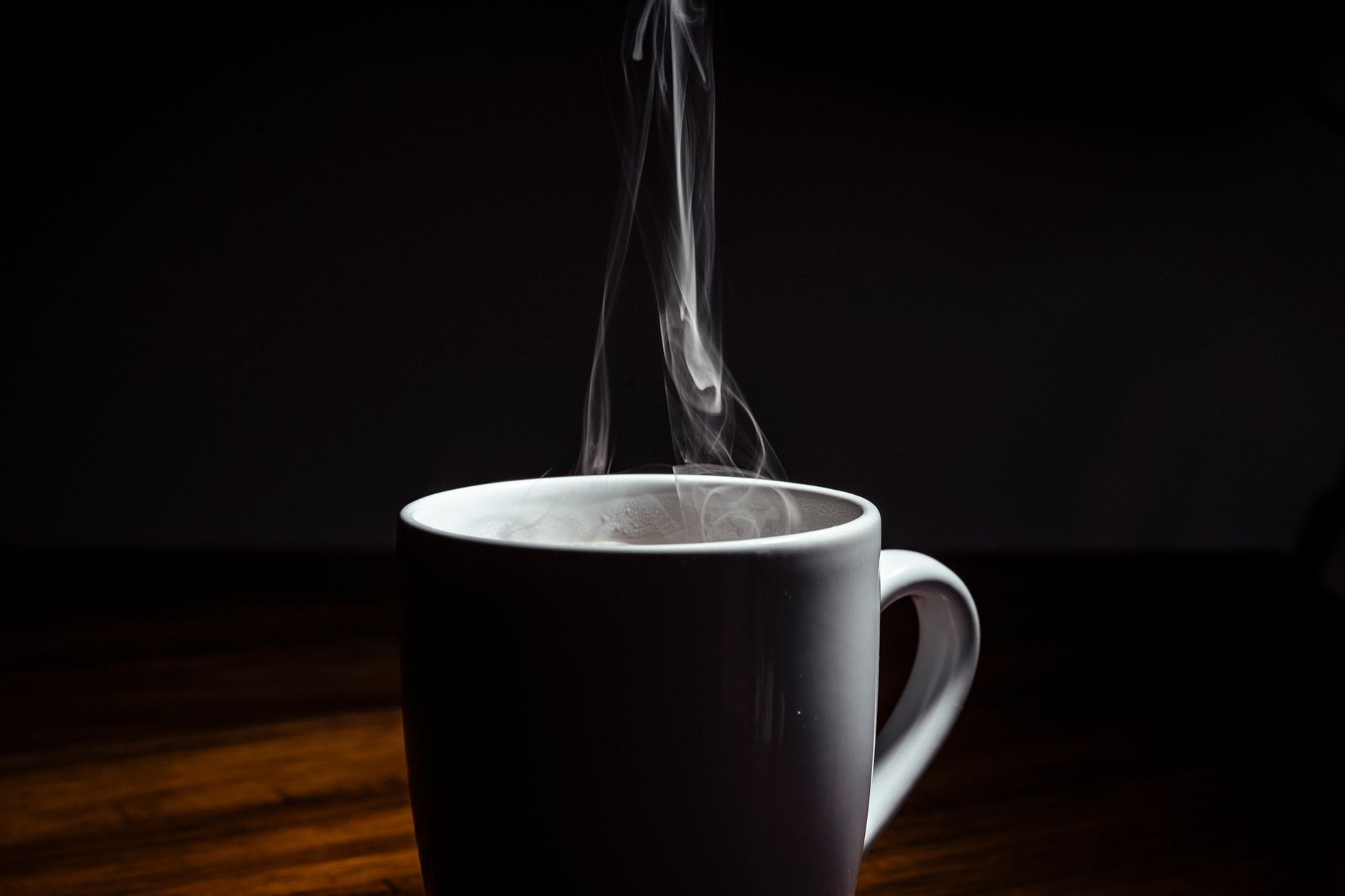
Coffee is one of the most popular beverages worldwide, often hailed for its energizing effects. Many people start their day with a cup of coffee, seeking a boost to stave off fatigue and enhance focus. But does coffee genuinely provide energy or is it merely an illusion fueled by caffeine? Understanding how coffee affects the body can help you navigate your consumption for optimal benefits.
This article explores whether coffee gives you energy, the science behind its effects, its benefits and uses, and essential facts about this beloved drink.
Does Coffee Give You Energy?
Coffee does indeed give you energy, primarily through its caffeine content. Caffeine is a stimulant that temporarily increases alertness and reduces the perception of fatigue. By blocking the action of adenosine, a neurotransmitter that promotes sleep, caffeine can help you feel more awake and focused.
Understanding Caffeine and Its Effects
Caffeine is a natural stimulant most commonly found in coffee, tea, and various soft drinks. It works by stimulating the central nervous system, helping to improve focus, concentration, and overall mental clarity. Here are some key points about how caffeine affects the body:
- Absorption: After consumption, caffeine is quickly absorbed into your bloodstream, with effects typically felt within 15 minutes.
- Peak Levels: Caffeine levels peak between 30 to 90 minutes after consumption, which is when you’ll feel the most energetic effects.
- Half-Life: The half-life of caffeine is generally about 3 to 7 hours, meaning half of the caffeine will still be in your system several hours after consumption.
- Withdrawal Effects: Regular consumption can lead to dependence, and sudden withdrawal may cause fatigue, headaches, and irritability.
Benefits of Coffee Beyond Energy
While energy boost is the most recognized benefit, coffee has several other advantages that contribute to its popularity:
- Enhanced Metabolism: Caffeine can temporarily boost metabolism, which may aid in weight management when combined with a balanced diet and exercise.
- Improved Physical Performance: Consuming coffee before a workout may enhance physical performance by increasing adrenaline levels and decreasing perceived effort.
- Antioxidant Properties: Coffee is rich in antioxidants, which help combat oxidative stress in the body. This can be beneficial for overall health.
- Lower Risk of Certain Diseases: Studies suggest coffee drinkers may have a reduced risk of conditions such as Parkinson’s disease, Alzheimer’s disease, and type 2 diabetes.
Common Uses of Coffee
Coffee isn’t just a beverage; it can be used in various ways in culinary practices:
Coffee as a Beverage
The most common way to enjoy coffee is as a brewed beverage. There are countless methods for brewing coffee, including:
- Drip coffee makers: A common household appliance for brewing large quantities of coffee.
- French press: A method that allows for full flavor extraction by steeping coffee grounds in hot water.
- Espresso machines: Produce a concentrated coffee beverage with intense flavor.
- Cold brew: Made by steeping coffee grounds in cold water for an extended period, typically resulting in a smoother flavor.
Coffee in Cooking and Baking
Coffee can also be incorporated into various recipes, adding depth and richness to flavors. Here are some popular culinary uses:
- Marinades: Coffee can enhance meat flavors, particularly in marinades for grilled dishes.
- Desserts: Coffee is a common flavor in desserts, such as tiramisu, cakes, and ice cream.
- Chocolate Pairing: Coffee complements and elevates chocolate flavors, making it a favorite in many confections.
Recommended Daily Intake of Coffee
While coffee has its benefits, moderation is key. The general recommendation for healthy adults is to limit caffeine intake to about 400 mg per day, which is roughly equivalent to four 8-ounce cups of brewed coffee. However, individual tolerance can vary greatly, so it is essential to pay attention to how your body responds.
How to Brew the Perfect Cup of Coffee
Here are some steps to ensure you brew the best cup of coffee:
- Use Fresh Coffee Beans: Always start with freshly roasted and ground coffee for the best flavor.
- Correct Grind Size: Choose the right grind for your brewing method (e.g., coarse for French press, medium for drip).
- Water Temperature: Use water that is between 195°F and 205°F for optimal extraction.
- Brew Time: Follow the appropriate brewing time for your method (e.g., 4 minutes for French press, 5 minutes for pour-over).
Practical Tips for Enjoying Coffee
Here are some practical tips to enhance your coffee experience without the jitters:
- Space Out Your Consumption: Avoid drinking multiple cups in rapid succession to prevent excess caffeine intake.
- Stay Hydrated: Coffee can have a diuretic effect, so balance it with plenty of water throughout the day.
- Mind Your Additives: Be cautious with the amount of sugar and cream you add to your coffee, as they can add extra calories and negate some health benefits.
Common Misconceptions About Coffee
Despite its popularity, several myths exist surrounding coffee. Addressing these misconceptions is vital for making informed choices:
- Coffee Causes Dehydration: While coffee is a mild diuretic, moderate consumption does not lead to dehydration if water intake is sufficient.
- Caffeine Stunts Growth: This is a misconception with no scientific backing; factors like genetics and nutrition primarily influence height.
- Coffee is Bad for Your Heart: Some studies suggest that moderate coffee consumption is not linked to increased heart risks and may even lower certain cardiovascular issues.
Potential Risks and Side Effects of Coffee
While coffee has many benefits, it’s important to be aware of potential risks, especially if consumed in excess:
- Increased Anxiety: High caffeine intake can lead to feelings of anxiety or jitteriness in some individuals.
- Insomnia: Late-day coffee consumption can interfere with sleep patterns, leading to insomnia.
- Digestive Issues: Some people may experience stomach upset or acid reflux from coffee.
- Caffeine Dependency: Regularly consuming high amounts of caffeine can lead to dependence and withdrawal symptoms.
Alternatives to Coffee for Energy
If you find that coffee is not your preferred source of energy, there are several alternatives to consider:
- Tea: Contains caffeine along with beneficial antioxidants, making it a great alternative with different flavor profiles.
- Yerba Mate: A traditional South American drink that provides caffeine with added nutrients.
- Green Smoothies: Combining fruits, vegetables, and healthy fats can give you sustained energy without the caffeine crash.
- Herbal Teas: While caffeine-free, some herbal teas like ginseng can still offer an energy boost.
Exploring Coffee Varieties and Their Caffeine Content
Different coffee varieties contain varying amounts of caffeine. Here’s a quick guide to popular choices:
| Coffee Type | Caffeine Content (per 8 oz) |
|---|---|
| Drip Coffee | 95 mg |
| Espresso | 63 mg |
| Decaf Coffee | 5 mg |
| Cold Brew | 100 mg |
Key Takeaways on Coffee and Energy
In summary, coffee does indeed provide energy primarily due to its caffeine content. It enhances alertness, sharpens focus, and can improve physical performance. However, moderation is crucial to reap the benefits while minimizing risks. Understanding your personal response to coffee can help you make informed consumption choices.
As you navigate your coffee journey, remember to experiment with different types, brewing methods, and recipes to discover what best fits your taste and lifestyle. Whether enjoying a classic cup of black coffee or exploring creative coffee-based desserts, the world of coffee is rich and varied.
For those interested in unique coffee preparations, consider checking out our recipes for making iced coffee concentrate or indulging in a festive peppermint mocha coffee.