
Water is essential for all aspects of life, including cooking, baking, and drink preparation. As home cooks and dining enthusiasts, understanding how to measure water accurately can elevate your culinary skills. This article explores how many bottles make up three liters of water to help you gauge appropriate quantities in various cooking processes.
The standard water bottle often comes in two sizes: 0.5 liters (500 milliliters) and 1 liter. Knowing how many of these bottles you’ll need for three liters can assist in everything from hydration to cooking recipes that require specific amounts of water. Let’s break down the math behind three liters and its equivalent in bottles, along with practical uses in the kitchen.
How Many Bottles Is 3 Liters Of Water?
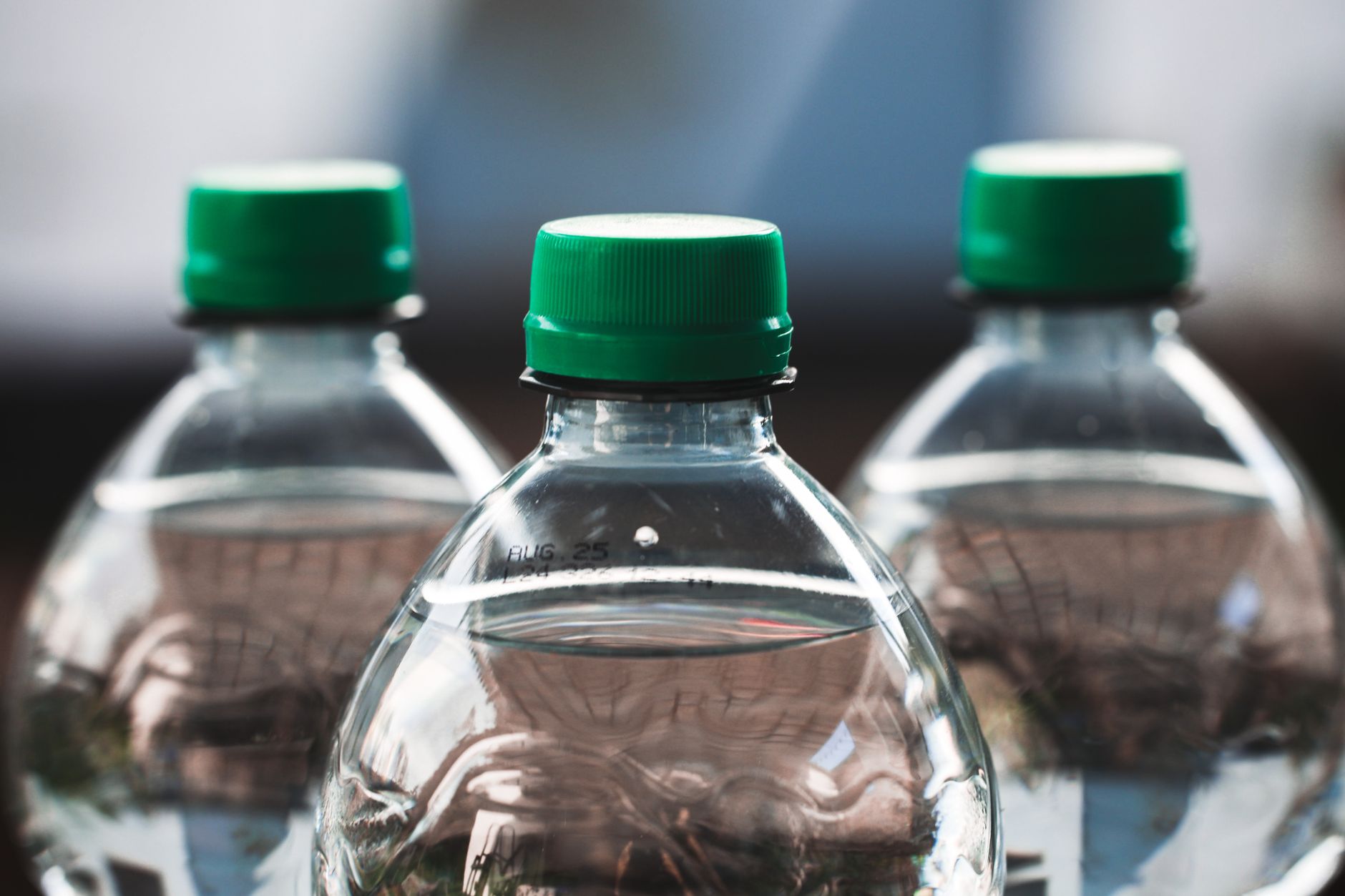
Three liters of water equals six 0.5-liter bottles or three 1-liter bottles. This conversion is straightforward and useful for meal preparation, cooking, and staying hydrated. Whether you are preparing a large batch of soup, making lemonade, or staying properly hydrated, these conversions will serve you well.
Significance of Accurate Measurements in Cooking
Accurate measurements are crucial in cooking, especially in baking, where precision can affect the final product. Too much or too little water can alter texture, flavor, and overall success. Understanding how to convert liters into bottle measurements enables you to achieve consistent results.
Understanding Bottle Sizes
- 0.5-Liter Bottles: Commonly found in convenience stores and vending machines, this size is ideal for quick hydration.
- 1-Liter Bottles: Often used for home use and large gatherings, this size is more suitable for cooking and baking.
When You Might Need 3 Liters in Cooking
Three liters might seem like a lot, but there are numerous instances in cooking where this amount is necessary. Below are some examples.
Cooking Pasta
When boiling pasta, a standard recommendation is to use approximately one liter of water for every 100 grams of pasta. For a sizable batch, around 300 grams, you would require roughly three liters of water. This ensures the pasta cooks evenly without sticking.
Making Soups and Stocks
Soups often call for multiple liters of water, especially when preparing large quantities for meal prepping or parties. A rich stock may require three liters or more, depending on the number of servings desired and the recipe’s specific instructions.
Hydration for Cooking
Water is crucial in numerous cooking processes, not just for boiling or poaching but also for cleaning and prepping ingredients. Having three liters on hand ensures you can hydrate ingredients, prepare sauces, and maintain overall cleanliness.
Using Water for Drinks: A Breakdown
Water is also vital for drink preparation. Here’s how three liters can be translated into beverage making.
Lemonade
A refreshing lemonade can be made with three liters of water. If you are using a standard recipe, you might want to use:
- 1 cup of freshly squeezed lemon juice (240 ml)
- 1 to 1.5 cups of sugar (depending on taste)
- Water (three liters)
This results in a delicious batch of lemonade that can serve up to 15 cups.
Infused Water
Infused water is a healthy alternative to sugary beverages. Using three liters as your base, you can mix in various fruits or herbs such as:
- Slices of cucumber and mint leaves for a refreshing taste
- Lemon and lime slices for a zesty flavor
- Berries for sweetness and color
Allow the infusion to sit for a few hours for maximum flavor.
Practical Tips for Measuring Water in Cooking
While converting liters to bottles is straightforward, here are some practical tips for measuring water effectively in the kitchen.
Use a Kitchen Scale
For precision, a kitchen scale can be invaluable. One liter of water weighs approximately one kilogram. This makes it easy to measure out specific quantities directly instead of utilizing volume measurements.
Clear Measuring Containers
Using clear plastic or glass measuring containers can help you easily visualize the amount of water you’re using, allowing for quick adjustments as necessary.
Marking Bottles
If you’re using water bottles, consider marking them with measurements for quick reference. This will save time when you need to replicate a recipe.
Common Mistakes and Troubleshooting
Even the most seasoned cooks can run into mistakes when measuring water for cooking. Here are some common errors and how to avoid them.
Overcooking Pasta Due to Insufficient Water
Insufficient water can lead to gummy pasta. Always ensure there is enough water in the pot to allow for proper cooking. If you’re unsure, use the guideline of 1 liter per 100 grams of pasta.
Improperly Measuring Water for Baking
Baking requires precision. Using too much water in recipes requiring specific hydration levels can lead to dense cakes or poor bread rise. Always follow the recipe’s measurements accurately.
Forgetting About Water as a Cooking Medium
Remember that water isn’t just a standalone ingredient. It’s essential for hydration in various cooking methods, including steaming and sautéing. Incorporate it appropriately in your recipes.
Storage and Reuse of Water
Water can often be reused in various forms in the kitchen. Here are some useful tips.
Store Leftover Cooked Water
If you’ve boiled vegetables or pasta, consider saving the water. This nutrient-rich water can be used in soups, stocks, or even as a flavorful cooking liquid for grains.
Filtered Water for Better Taste
Using filtered water can enhance the flavor of dishes, especially in stocks and broths. Consider incorporating a water filter to improve the taste profile of the water you’re using.
Hydration and Health
In addition to cooking applications, understanding water consumption for hydration is crucial for health.
The Importance of Hydration
Staying hydrated is vital for maintaining energy levels, improving concentration, and supporting overall health. Three liters is often the recommended amount for daily intake, depending on factors such as activity level and climate.
Using Water as a Diet Tool
Water can be a great tool for managing appetite. Drinking it before meals can help you feel fuller, helping you make better food choices and control portion sizes.
Conclusion
Understanding how many bottles make up three liters of water is a practical skill that can enhance your cooking and hydration practices. Whether you’re preparing a large family meal, making refreshing beverages, or ensuring proper hydration, this knowledge allows for better food preparation and overall well-being.
Now that you’re equipped with the knowledge regarding water measurements and their application in cooking, consider exploring related recipes like lemonade and methods to make a single-serve lemonade for refreshing drink ideas that utilize water effectively.